

Innovations in Hydraulic Cylinder Technology for Automobile Cranes
2026-10-03
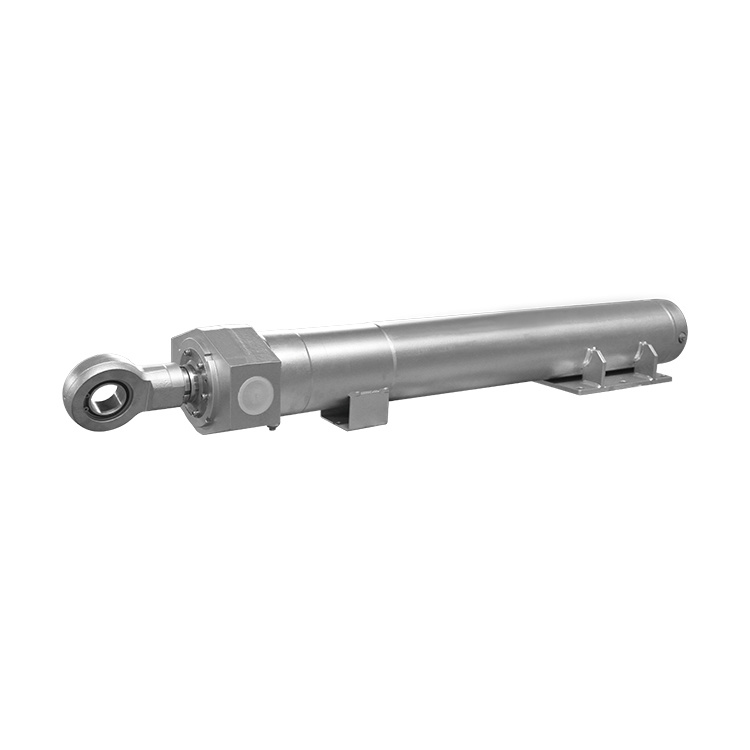
Innovations in Hydraulic Cylinder Technology for Automobile Cranes
Table of Contents
1. Introduction to Hydraulic Cylinder Technology
2. Importance of Hydraulic Cylinders in Automobile Cranes
3. Recent Innovations in Hydraulic Cylinder Design
3.1. Lightweight Materials for Enhanced Performance
3.2. Advanced Sealing Technologies for Durability
3.3. Smart Sensors for Real-Time Monitoring
4. Efficiency Improvements in Hydraulic Systems
4.1. Energy-Efficient Hydraulic Fluids
4.2. Variable Displacement Pumps
5. Future Trends in Hydraulic Cylinder Technology
5.1. Integration of IoT and AI in Hydraulic Systems
5.2. Sustainability and Environmental Considerations
6. Challenges Facing the Hydraulic Cylinder Industry
7. FAQs
8. Conclusion
1. Introduction to Hydraulic Cylinder Technology
Hydraulic cylinder technology plays a pivotal role in the realm of automobile cranes, enabling them to lift heavy loads with precision and control. As the demand for more efficient and reliable cranes grows, so does the need for innovative hydraulic solutions. This article explores the latest advancements in hydraulic cylinder technology, focusing on how these innovations enhance the performance, safety, and efficiency of automobile cranes.
2. Importance of Hydraulic Cylinders in Automobile Cranes
Hydraulic cylinders are the heart of any automobile crane, converting hydraulic energy into mechanical force to lift and lower loads. Their efficiency directly impacts the crane's performance, safety, and operational costs. A well-designed hydraulic cylinder ensures smooth movements, minimal energy consumption, and extended service life. As industries evolve, the need for higher performance standards has driven significant advancements in hydraulic technology.
3. Recent Innovations in Hydraulic Cylinder Design
The hydraulic cylinder design has seen dramatic improvements recently, incorporating advanced materials and technologies that enhance functionality and durability.
3.1. Lightweight Materials for Enhanced Performance
One of the most significant trends in hydraulic cylinder design is the use of lightweight materials, such as aluminum and composite materials. These materials reduce the overall weight of the hydraulic cylinder without compromising strength or performance. By minimizing weight, cranes can operate more efficiently, leading to reduced fuel consumption and improved lift capabilities.
3.2. Advanced Sealing Technologies for Durability
Innovations in sealing technologies have greatly increased the durability and reliability of hydraulic cylinders. Modern seals are designed to withstand higher pressures and temperatures, reducing the risk of leaks and failures. Additionally, these advanced seals help to minimize maintenance requirements, allowing crane operators to focus on productivity rather than upkeep.
3.3. Smart Sensors for Real-Time Monitoring
The integration of smart sensors into hydraulic cylinders represents a significant leap forward. These sensors provide real-time data on cylinder performance, including pressure, temperature, and position. By monitoring these parameters, operators can make informed decisions, enhancing safety and efficiency while preventing potential issues before they become critical.
4. Efficiency Improvements in Hydraulic Systems
In addition to advancements in hydraulic cylinder design, various innovations focus on improving the overall efficiency of hydraulic systems used in automobile cranes.
4.1. Energy-Efficient Hydraulic Fluids
The development of energy-efficient hydraulic fluids has contributed to the sustainability of hydraulic systems. These fluids are designed to perform optimally across a range of temperatures and conditions, reducing energy consumption while enhancing performance. By opting for these advanced fluids, crane operators can enjoy lower operational costs and a smaller environmental footprint.
4.2. Variable Displacement Pumps
Variable displacement pumps are another innovation that enhances hydraulic system efficiency. Unlike fixed displacement pumps, which operate at a constant flow rate, variable displacement pumps adjust the flow based on the crane's specific operational needs. This adaptability leads to significant energy savings and optimized performance, reducing wear and tear on the system.
5. Future Trends in Hydraulic Cylinder Technology
As technology continues to evolve, hydraulic cylinder technology is poised for further advancements that will shape the future of automobile cranes.
5.1. Integration of IoT and AI in Hydraulic Systems
The integration of the Internet of Things (IoT) and artificial intelligence (AI) into hydraulic systems represents a transformative trend. IoT devices can collect and transmit data from hydraulic cylinders to a central system, allowing for predictive maintenance, performance optimization, and improved safety protocols. AI algorithms can analyze this data to identify patterns and provide insights, empowering operators to make proactive decisions.
5.2. Sustainability and Environmental Considerations
With increasing emphasis on sustainability, the hydraulic cylinder industry is focusing on developing environmentally friendly solutions. This includes biodegradable hydraulic fluids, recyclable materials for cylinder construction, and energy-efficient designs that minimize the carbon footprint of hydraulic systems. The push for sustainability in hydraulic technology aligns with global efforts to reduce environmental impact and promote green practices.
6. Challenges Facing the Hydraulic Cylinder Industry
Despite numerous advancements, the hydraulic cylinder industry still faces several challenges. These include the need for continuous innovation to keep pace with evolving market demands, addressing issues related to supply chain disruptions, and ensuring that new technologies are compatible with existing systems. Additionally, the industry must navigate regulatory requirements and environmental considerations while maintaining competitive pricing.
7. FAQs
What is the role of hydraulic cylinders in automobile cranes?
Hydraulic cylinders are essential components that convert hydraulic energy into mechanical force, enabling cranes to lift and lower heavy loads efficiently.
How have materials used in hydraulic cylinders changed recently?
Recent innovations have led to the use of lightweight materials, such as aluminum and composites, which enhance performance without sacrificing strength.
What are the benefits of using smart sensors in hydraulic systems?
Smart sensors provide real-time monitoring of hydraulic performance metrics, allowing for better decision-making, improved safety, and reduced maintenance needs.
How do variable displacement pumps improve hydraulic system efficiency?
Variable displacement pumps adjust their flow rate based on the operational needs of the crane, leading to significant energy savings and optimized performance.
What is the future of hydraulic cylinder technology?
The future of hydraulic cylinder technology includes advancements in IoT and AI integration, as well as a greater focus on sustainability and environmentally friendly practices.
8. Conclusion
Innovations in hydraulic cylinder technology are revolutionizing the automobile crane industry, enhancing performance, safety, and sustainability. As we look to the future, the integration of cutting-edge materials, smart technologies, and environmentally conscious practices will drive further advancements. By staying informed about these innovations, industry professionals can ensure that their hydraulic systems remain competitive and efficient, paving the way for a more productive and sustainable future in the realm of automobile cranes.
Previous Page
Previous Page
Questions?
We are here to help.
