

The Evolution of Tractor Loader Cylinders: A Historical Perspective
2026-07-25
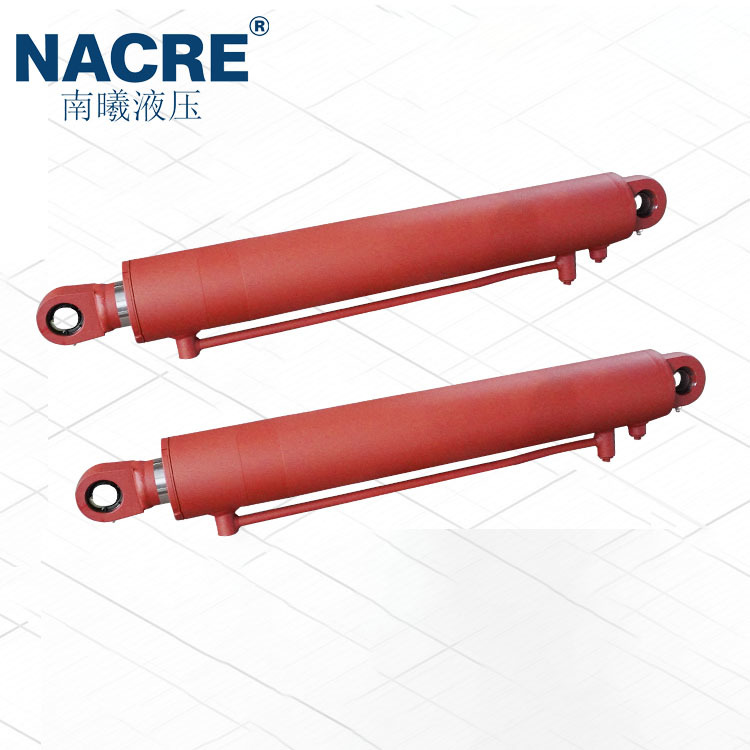
The Evolution of Tractor Loader Cylinders: A Historical Perspective
Table of Contents
- Introduction to Tractor Loader Cylinders
- Historical Development of Tractor Loader Cylinders
- Key Innovations in Hydraulic Cylinder Technology
- Types of Tractor Loader Cylinders
- The Design Evolution of Loader Cylinders
- Modern Applications of Tractor Loader Cylinders
- Future Trends in Hydraulic Cylinder Technology
- Conclusion
- FAQs about Tractor Loader Cylinders
Introduction to Tractor Loader Cylinders
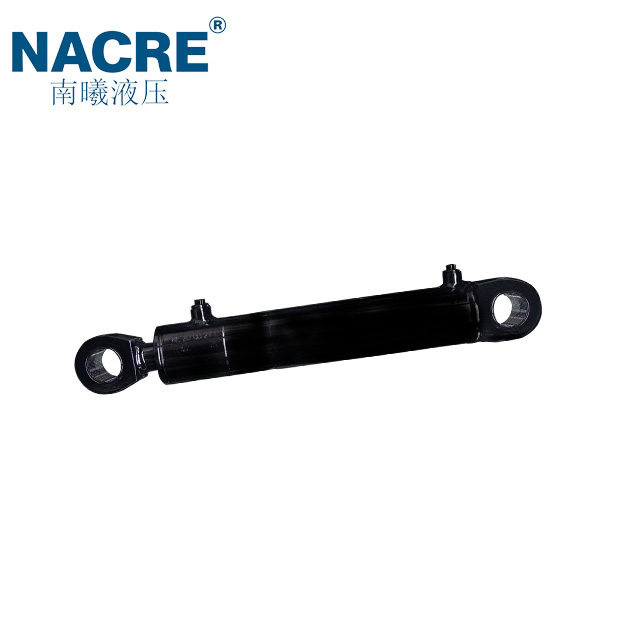
Tractor loader cylinders play a pivotal role in the operation of modern agricultural and construction machinery. These hydraulic components are responsible for converting hydraulic energy into mechanical force, powering the lifting and tilting functions of loaders. With their critical role in enhancing productivity and efficiency, understanding the evolution of these cylinders provides insight into their significance in the heavy machinery landscape.
Historical Development of Tractor Loader Cylinders
The journey of tractor loader cylinders begins in the early 20th century. Initially, machinery relied on manual labor and mechanical levers. The introduction of hydraulic systems in the 1940s revolutionized the industry, allowing for more efficient operations and greater lifting capacities.
In the 1950s, advancements in hydraulic technology led to the development of the first dedicated loader tractors. These models featured loader cylinders that were both more powerful and easier to operate. As the demand for agricultural efficiency grew, so did the sophistication of hydraulic systems, leading to the introduction of double-acting cylinders that provided greater control and versatility.
Key Milestones in the History of Loader Cylinders
Several key milestones mark the evolution of tractor loader cylinders:
1. **1940s - Introduction of Hydraulic Systems**: The shift from mechanical systems to hydraulics improved efficiency and operational control.
2. **1950s - Development of Loader Tractors**: The first loader tractors equipped with hydraulic cylinders were introduced, enhancing productivity.
3. **1970s - Double-Acting Cylinders**: The introduction of double-acting cylinders provided improved control and flexibility for operators.
4. **1980s - Computer-Aided Design (CAD)**: The use of CAD technology facilitated the design of more efficient and durable hydraulic cylinders.
5. **2000s - Integrated Electronic Systems**: Modern tractors began integrating electronic controls with hydraulic systems, offering precision and enhanced functionality.
Key Innovations in Hydraulic Cylinder Technology
Throughout the decades, numerous innovations have propelled the development of tractor loader cylinders. These innovations include:
Advanced Materials
The use of high-strength, lightweight materials has significantly improved the performance and durability of hydraulic cylinders. Materials such as aluminum alloys and advanced composites are now common in modern designs, reducing weight while maintaining strength.
Sealing Technologies
Improvements in sealing technologies have enhanced the longevity and reliability of hydraulic cylinders. Modern seals are designed to withstand high pressures and temperatures, minimizing leaks and maintenance requirements.
Precision Manufacturing Techniques
Advancements in manufacturing processes, such as CNC machining and laser cutting, have allowed for tighter tolerances and better fitment. These techniques enhance the overall performance and lifespan of hydraulic cylinders.
Smart Hydraulic Systems
The integration of smart technology into hydraulic systems allows for real-time monitoring and adjustments. Sensors can track performance metrics, ensuring optimal operation and preventing potential failures.
Types of Tractor Loader Cylinders
Understanding the various types of tractor loader cylinders is essential for appreciating their functionality in different applications. The primary types include:
Single-Acting Cylinders
Single-acting cylinders utilize hydraulic pressure to move in one direction, relying on gravity or an external force to retract. These are often used in applications where the load primarily works against gravity.
Double-Acting Cylinders
Double-acting cylinders can operate in both directions, providing greater control and versatility. They are widely used in loader applications where precise movements and lifting capabilities are essential.
Telescopic Cylinders
Telescopic cylinders feature multiple stages, allowing for extended reach and lifting capacity within a compact design. These are particularly useful in applications where space is limited.
The Design Evolution of Loader Cylinders
The design of tractor loader cylinders has evolved significantly to meet the demands of modern machinery.
Initial Designs
Early hydraulic cylinders were bulky and often prone to leaks. The designs focused primarily on functionality rather than efficiency or aesthetics.
Modern Design Considerations
Contemporary designs prioritize a combination of strength, weight reduction, and aesthetics. Engineers now utilize advanced simulation tools to optimize hydraulic cylinder shapes for maximum efficiency. Furthermore, CAD software enables precise modeling, leading to enhanced performance and reduced manufacturing costs.
Ergonomic Features
Modern tractor loader cylinders often incorporate ergonomic features, such as easy-access service points and intuitive controls, making operation simpler for users.
Modern Applications of Tractor Loader Cylinders
Today's tractor loader cylinders are used across various industries, transforming how tasks are accomplished.
Agricultural Applications
In agriculture, loader cylinders are integral to front-end loaders, allowing farmers to efficiently lift and transport materials such as soil, feed, and equipment. The precision offered by modern hydraulic systems enables farmers to optimize their workflows.
Construction and Excavation
In the construction sector, tractor loader cylinders enhance the capabilities of backhoes and other heavy machinery. They facilitate digging, lifting, and moving materials, contributing to faster project completion times.
Landscaping and Maintenance
Loader cylinders are also valuable in landscaping applications, where they assist in moving dirt, rocks, and other materials with ease. Their versatility makes them indispensable for landscape maintenance professionals.
Future Trends in Hydraulic Cylinder Technology
As technology continues to advance, the future of tractor loader cylinders looks promising.
Increased Automation
The trend towards automation in agriculture and construction will likely lead to the development of more sophisticated hydraulic systems. Automated controls will enable operators to perform tasks with even greater precision and efficiency.
Enhanced Sustainability
The push for sustainability will drive innovations in hydraulic cylinder design, focusing on energy efficiency and environmentally friendly materials. Manufacturers will explore the use of bio-based hydraulic fluids and recyclable materials in cylinder production.
Smart Technology Integration
The integration of IoT (Internet of Things) technology will allow for smarter hydraulic systems. Real-time data collection and analysis will enable predictive maintenance, reducing downtime and extending the life of equipment.
Conclusion
The evolution of tractor loader cylinders reflects the remarkable advancements in hydraulic technology and engineering. From their humble beginnings reliant on manual labor to the sophisticated systems we see today, these cylinders have become indispensable in various applications. As we look to the future, ongoing innovations promise to enhance their capabilities even further, ensuring they remain at the forefront of agricultural and construction machinery.
FAQs about Tractor Loader Cylinders
1. What is the primary function of a tractor loader cylinder?
The primary function of a tractor loader cylinder is to convert hydraulic energy into mechanical force, enabling the lifting and tilting actions of loaders.
2. How do hydraulic cylinders differ from mechanical systems?
Hydraulic cylinders utilize fluid pressure to generate force, allowing for smoother and more powerful operations compared to traditional mechanical systems that rely on levers and gears.
3. What type of maintenance do tractor loader cylinders require?
Regular maintenance includes checking for leaks, inspecting seals, ensuring hydraulic fluid levels are adequate, and monitoring overall performance to prevent issues.
4. Can tractor loader cylinders be customized for specific applications?
Yes, many manufacturers offer customized hydraulic cylinders tailored to meet the specific needs of different applications, enhancing performance and efficiency.
5. What are the benefits of using double-acting cylinders over single-acting cylinders?
Double-acting cylinders provide greater control and versatility, allowing for movement in both directions, which is essential for tasks requiring precision and efficiency.

Questions?
We are here to help.
