

Exploring the Different Types of Tractor Hydraulic Cylinders: A Comprehensive Guide
2026-09-03
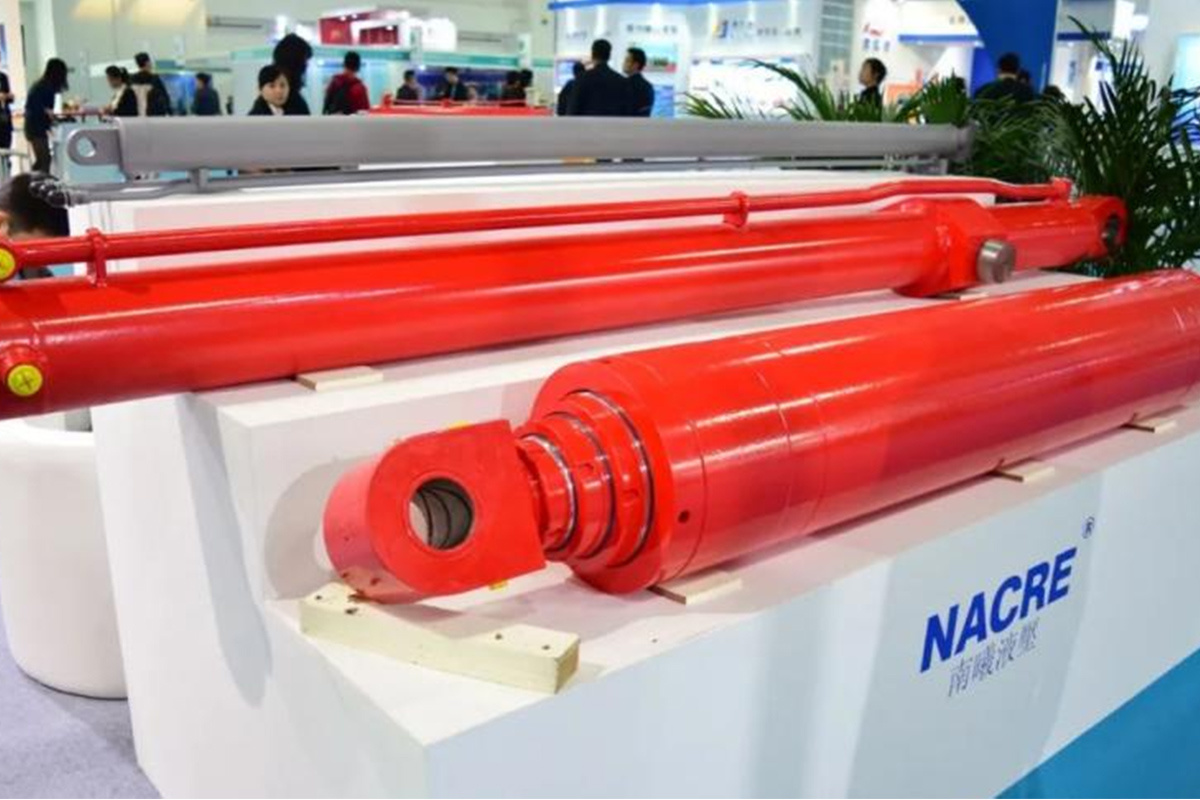
Exploring the Different Types of Tractor Hydraulic Cylinders
As the backbone of modern agricultural machinery, **tractor hydraulic cylinders** play a pivotal role in enhancing efficiency and performance. Understanding the different types of these hydraulic components is vital for maximizing the functionality of your tractor. In this article, we will explore the various types of tractor hydraulic cylinders, their applications, and maintenance practices to ensure longevity and reliability.
Table of Contents
- 1. Understanding Hydraulic Cylinders
- 2. Types of Tractor Hydraulic Cylinders
- 2.1 Single-Acting Hydraulic Cylinders
- 2.2 Double-Acting Hydraulic Cylinders
- 2.3 Telescopic Hydraulic Cylinders
- 2.4 Welded Hydraulic Cylinders
- 2.5 Tie-Rod Hydraulic Cylinders
- 3. Applications of Hydraulic Cylinders in Agriculture
- 4. Key Components of Hydraulic Cylinders
- 5. Maintenance Tips for Tractor Hydraulic Cylinders
- 6. Troubleshooting Common Hydraulic Cylinder Issues
- 7. Future Trends in Hydraulic Cylinder Technology
- 8. Conclusion
- 9. FAQs
1. Understanding Hydraulic Cylinders
Hydraulic cylinders are devices that convert hydraulic energy into mechanical energy. They consist of a cylinder barrel, piston, and piston rod, and they work by the hydraulic pressure exerted on the piston, causing it to move. This movement is essential for various tasks in tractors, such as lifting, pushing, and pulling heavy loads. Recognizing the importance of these components can help operators optimize their machinery's performance.
2. Types of Tractor Hydraulic Cylinders
The type of hydraulic cylinder greatly influences the efficiency and functionality of a tractor. Let’s dive into the different types of tractor hydraulic cylinders:
2.1 Single-Acting Hydraulic Cylinders
**Single-acting hydraulic cylinders** are designed to exert force in one direction only. They utilize hydraulic pressure to move the piston in one direction, while a spring or gravity returns the piston to its original position. These cylinders are typically smaller and lighter, making them ideal for applications where space is limited. They find extensive use in applications such as farm implements and loading platforms.
2.2 Double-Acting Hydraulic Cylinders
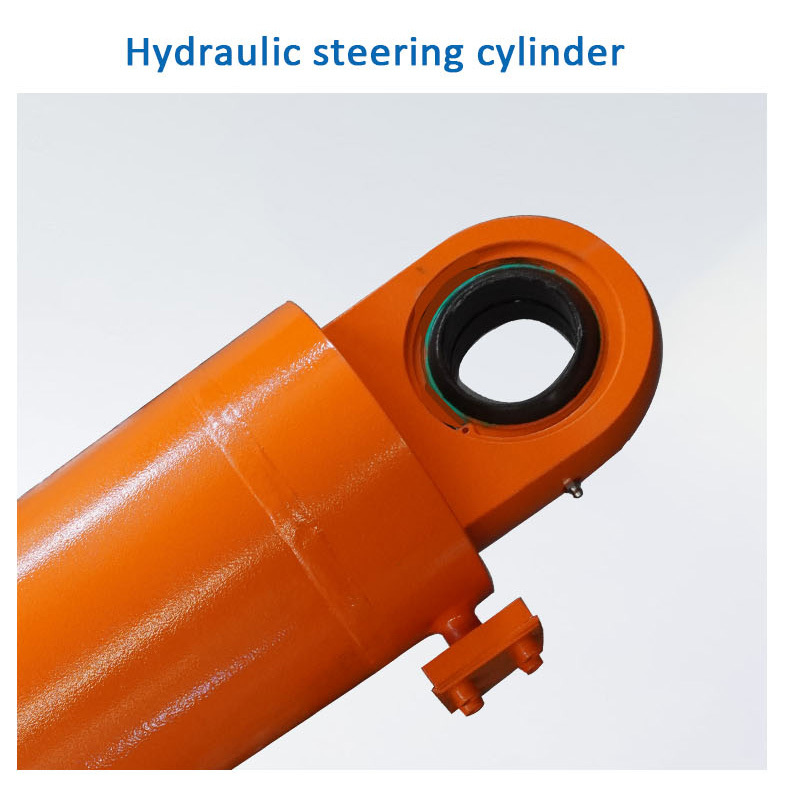
In contrast, **double-acting hydraulic cylinders** can exert force in both directions. They have hydraulic fluid entering and exiting both sides of the piston, allowing for more versatile movements. This makes them suitable for tasks that require precise control and continuous operation, such as steering systems and lift arms. Their design provides enhanced power and efficiency, making them a popular choice in agricultural machinery.
2.3 Telescopic Hydraulic Cylinders
**Telescopic hydraulic cylinders** are unique in their ability to extend and retract significantly, thanks to their multi-stage design. These cylinders are advantageous when space is at a premium, as they can achieve long strokes while maintaining a compact size. Telescopic cylinders are often used in applications such as dump trailers and controlled booms, offering impressive lifting capabilities.
2.4 Welded Hydraulic Cylinders
**Welded hydraulic cylinders** are known for their sturdy construction, where the end caps are welded to the cylinder barrel. This design enhances the cylinder's durability and makes it suitable for high-pressure applications. Welded cylinders are often used in heavy-duty machinery, providing reliability and performance in demanding conditions.
2.5 Tie-Rod Hydraulic Cylinders
**Tie-rod hydraulic cylinders** feature a design where the end caps are held in place by tie rods. This configuration allows for easy maintenance and repair. Tie-rod cylinders are generally used in applications that require moderate to high pressure, such as agricultural implements and construction machinery.
3. Applications of Hydraulic Cylinders in Agriculture
Hydraulic cylinders play a crucial role in various agricultural applications. They are commonly used in:
- **Lift Systems:** To elevate and lower attachments and implements, enhancing the versatility of tractors.
- **Steering Mechanisms:** Providing precise control and responsiveness during navigation.
- **Dumping Mechanisms:** Allowing for the efficient unloading of materials from trailers and containers.
- **Plowing Operations:** Assisting in the adjustment and control of plowing depth and angle.
These applications showcase the versatility and performance enhancement that hydraulic cylinders bring to modern farming operations.
4. Key Components of Hydraulic Cylinders
Understanding the key components of hydraulic cylinders is essential for effective maintenance and troubleshooting. Major components include:
- **Cylinder Barrel:** Houses the piston and hydraulic fluid.
- **Piston:** Moves within the barrel to create linear motion.
- **Piston Rod:** Connects the piston to the external mechanism and transmits force.
- **End Caps:** Seal the cylinder and can be welded or tied, depending on the design.
- **Seals and O-rings:** Prevent hydraulic fluid leakage and ensure smooth operation.
Each component plays a significant role in the functionality and reliability of hydraulic cylinders, making their understanding crucial for operators.
5. Maintenance Tips for Tractor Hydraulic Cylinders
To ensure optimal performance and longevity of hydraulic cylinders, regular maintenance is essential. Here are some tips to keep your cylinders in top shape:
1. **Regular Inspection:** Frequently check for leaks, corrosion, and physical damage.
2. **Cleanliness:** Keep the hydraulic system clean to prevent contamination that can degrade seals and cause failures.
3. **Fluid Level Monitoring:** Ensure that the hydraulic fluid level is appropriate, and replace it according to the manufacturer’s recommendations.
4. **Seal Replacement:** Regularly inspect and replace seals as needed to prevent leaks and maintain efficiency.
5. **Proper Storage:** When not in use, store hydraulic equipment in a dry environment to avoid rust and damage.
Implementing these maintenance practices can significantly extend the lifespan of your hydraulic cylinders and improve tractor performance.
6. Troubleshooting Common Hydraulic Cylinder Issues
Even with proper maintenance, hydraulic cylinders can encounter issues. Here are some common problems and their potential solutions:
- **Leaking Seals:** This often indicates worn seals or O-rings. Inspect and replace them promptly.
- **Slow Operation:** This may be due to low hydraulic fluid levels or air in the system. Check fluid levels and bleed the system if necessary.
- **Decreased Power:** If the cylinder is unable to exert the required force, it may be undersized for the application or damaged. Assess the specifications and inspect for any physical damage.
- **Cylinder Drift:** This can occur when the cylinder drifts from its position. Check for internal leakage and ensure that the control valves are functioning properly.
Identifying and addressing these issues early can prevent costly repairs and downtime.
7. Future Trends in Hydraulic Cylinder Technology
The future of hydraulic cylinder technology is promising, with innovations aimed at improving efficiency and functionality. Key trends include:
- **Smart Hydraulics:** Integration of sensors and IoT technology will enable real-time monitoring and diagnostics, enhancing performance and predictive maintenance.
- **Environmental Sustainability:** The development of eco-friendly hydraulic fluids and recyclable materials is gaining traction, promoting sustainability in agricultural practices.
- **Advanced Materials:** The use of lightweight, durable materials will enhance the strength and efficiency of hydraulic components, reducing overall machinery weight.
- **Automation:** The shift towards automated systems in agriculture is likely to increase the demand for advanced hydraulic solutions that can operate with minimal human intervention.
These trends indicate a move towards more efficient, sustainable, and technologically advanced agricultural practices.
8. Conclusion
Tractor hydraulic cylinders are essential components in modern agricultural machinery, providing the power needed for a wide range of applications. By understanding the different types of hydraulic cylinders, their components, and maintenance practices, operators can enhance the performance and longevity of their equipment. As technology advances, staying informed about trends will further optimize agricultural operations, ensuring that tractors remain efficient and effective in meeting the demands of modern farming.
9. FAQs
What are the main types of tractor hydraulic cylinders?
The main types include single-acting, double-acting, telescopic, welded, and tie-rod hydraulic cylinders, each designed for specific applications.
How do I know if my hydraulic cylinder needs maintenance?
Signs include leaks, slow operation, decreased power, and cylinder drift. Regular inspections can help identify these issues early.
What is the difference between single-acting and double-acting hydraulic cylinders?
Single-acting cylinders exert force in one direction with a return mechanism, while double-acting cylinders can exert force in both directions, offering greater versatility.
How often should hydraulic fluid be replaced?
Hydraulic fluid should be replaced according to the manufacturer’s recommendations, typically every 1,000 hours of operation or annually.
Can I repair a hydraulic cylinder myself?
While minor maintenance, such as seal replacement, can be done at home, major repairs should be handled by professionals to ensure safety and proper function.


Questions?
We are here to help.
