

Understanding Tower Crane Hydraulic Cylinders: Essential Components for Heavy Lifting
2026-10-08

Tower cranes are essential in the construction industry, known for their ability to lift heavy loads at considerable heights. One of the key components enabling these cranes to perform efficiently is the tower crane hydraulic cylinder. Understanding how these hydraulic cylinders work and their significance can greatly benefit anyone involved in crane operation, maintenance, or procurement.
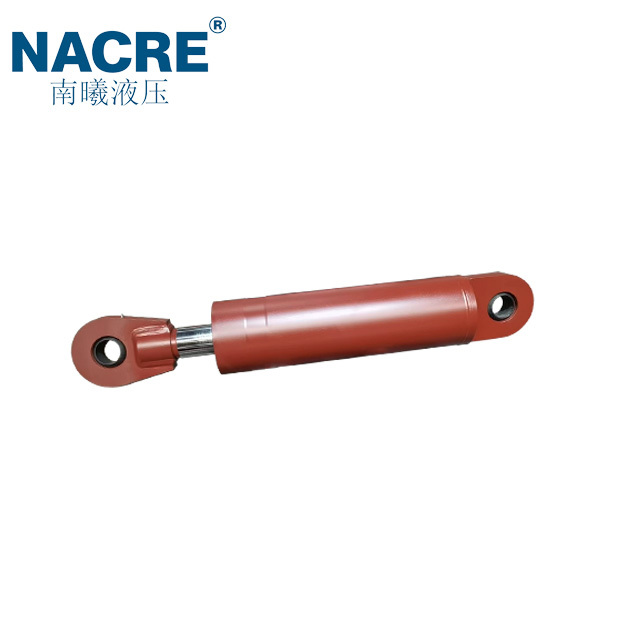
Hydraulic cylinders are mechanical devices that convert hydraulic energy into linear motion. In the context of tower cranes, these cylinders play a vital role in controlling various movements, including the lifting and lowering of loads. They operate by utilizing pressurized hydraulic fluid, which moves a piston within the cylinder. This pressurized fluid can be controlled precisely, allowing for smooth and accurate movement of the crane's boom and load.
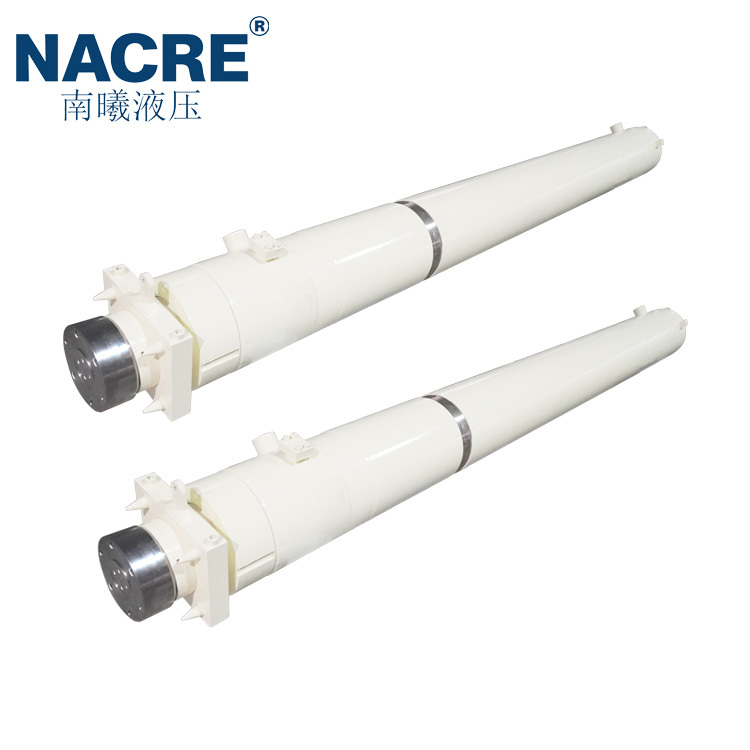
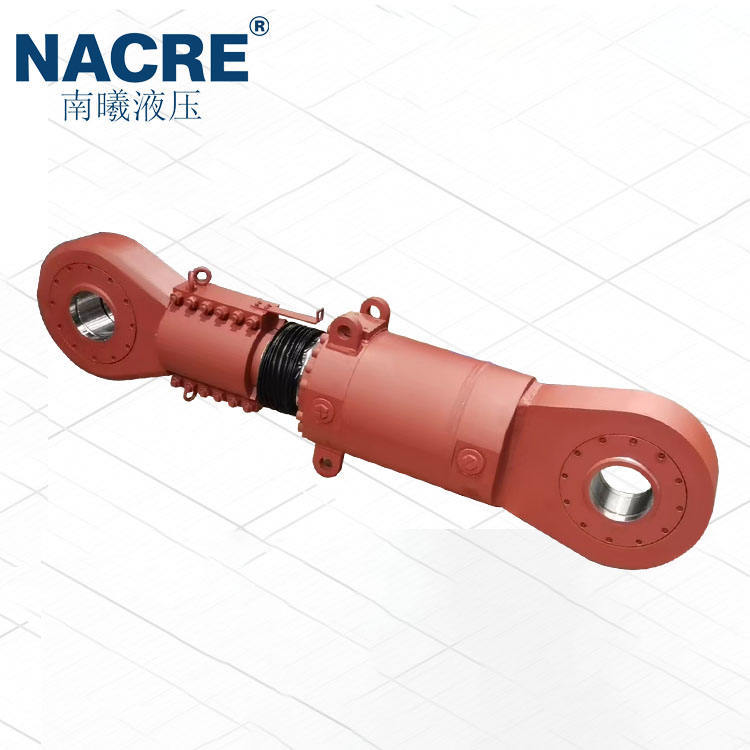
The tower crane hydraulic cylinder is designed to withstand extreme pressures and conditions. Given the substantial weights that tower cranes often lift, these cylinders must be robust and reliable. They are typically constructed from high-strength materials that can resist wear and tear, ensuring a long operational lifespan. Regular maintenance and inspection of these hydraulic components are essential to prevent any potential failures that could lead to accidents on the job site.
One of the significant advantages of using hydraulic cylinders in tower cranes is their efficiency. They allow for rapid lifting and lowering of loads, which can significantly reduce the time needed for construction tasks. Moreover, hydraulic systems are generally more energy-efficient compared to mechanical systems, translating to lower operational costs over time.
In addition to their functional aspects, hydraulic cylinders enhance the safety of tower crane operations. The ability to control lifting speeds and stabilize loads reduces the risk of accidents. Operators can manage heavy lifts with greater precision, contributing to a safer working environment for everyone on the job site.
When selecting hydraulic cylinders for tower cranes, it's crucial to consider factors such as load capacity, stroke length, and compatibility with existing crane systems. Properly sized and specified hydraulic cylinders ensure optimal performance and longevity.
In conclusion, tower crane hydraulic cylinders are indispensable for modern construction operations. Their ability to provide controlled, efficient, and safe lifting solutions makes them a fundamental component in the operation of tower cranes. Understanding their function and importance can help operators and engineers optimize crane performance, ensuring successful project completion.

Questions?
We are here to help.
