

A Comprehensive Guide to Hydraulic Cylinder Maintenance in Mining
2026-10-23
A Comprehensive Guide to Hydraulic Cylinder Maintenance in Mining
Table of Contents
1. Introduction to Hydraulic Cylinders in Mining
2. Importance of Regular Hydraulic Cylinder Maintenance
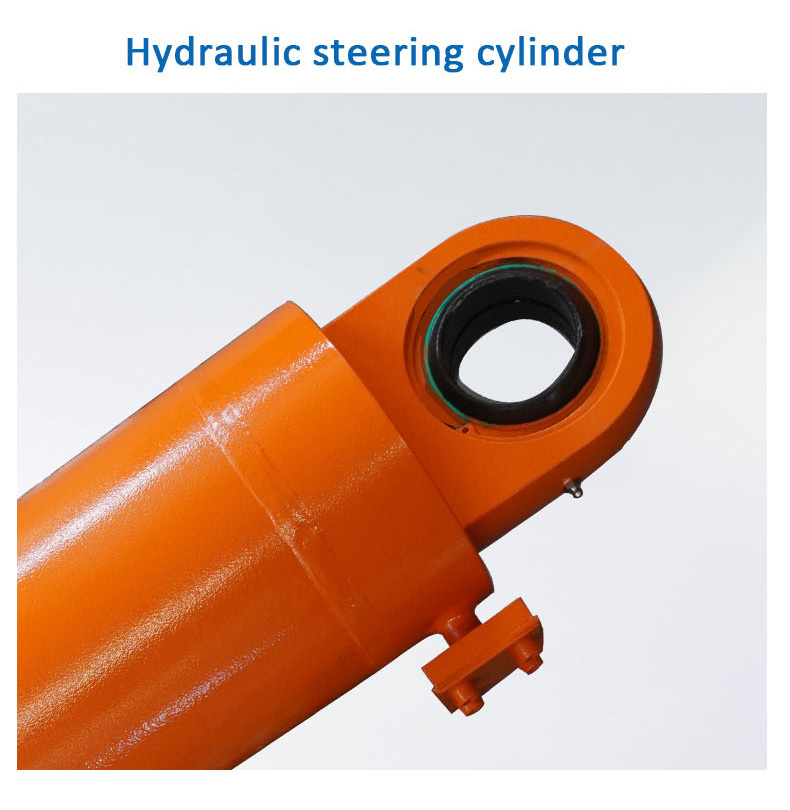
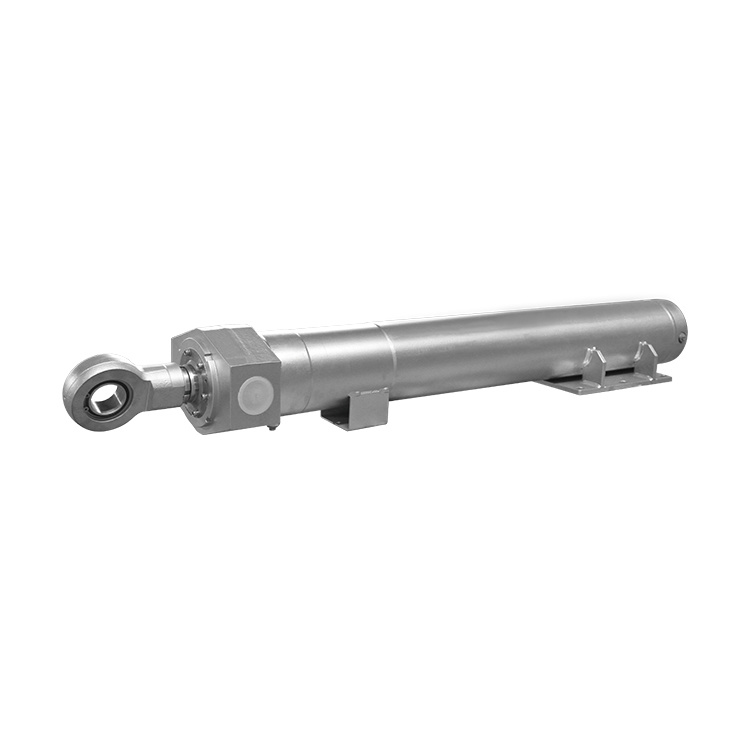
3. Key Components of Hydraulic Cylinders
3.1 Cylinder Barrel
3.2 Piston
3.3 Seals and O-Rings
3.4 End Caps
4. Common Issues Faced by Hydraulic Cylinders in Mining
5. Essential Maintenance Practices for Hydraulic Cylinders
5.1 Regular Inspection
5.2 Cleaning
5.3 Fluid Maintenance
5.4 Seal Replacement
5.5 Correcting Misalignment
6. Troubleshooting Hydraulic Cylinder Problems
6.1 Identifying Leaks
6.2 Assessing Performance Issues
6.3 Significance of Pressure Testing
7. Best Practices for Extended Hydraulic Cylinder Lifespan
8. Frequently Asked Questions (FAQs)
9. Conclusion
1. Introduction to Hydraulic Cylinders in Mining
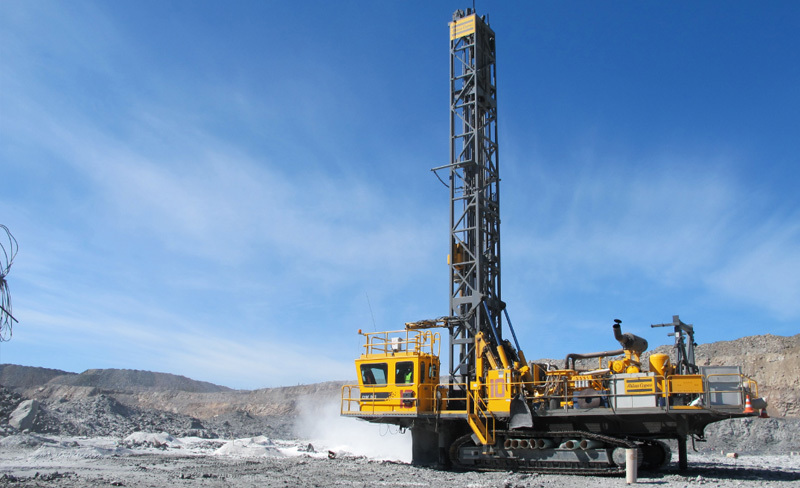
Hydraulic cylinders play a vital role in the mining industry, operating heavy machinery that powers the extraction and transportation of minerals. These cylinders convert hydraulic energy into mechanical energy, enabling equipment like excavators and drills to perform efficiently. Understanding their operation and maintenance is crucial for optimizing performance and reducing operational costs.
2. Importance of Regular Hydraulic Cylinder Maintenance
Regular maintenance of hydraulic cylinders is paramount in the mining sector. It ensures safety, enhances equipment reliability, and prolongs the lifespan of hydraulic systems. Neglecting maintenance can lead to catastrophic failures, resulting in costly downtime and potential hazards for workers.
3. Key Components of Hydraulic Cylinders
To effectively maintain hydraulic cylinders, it's essential to understand their key components:
3.1 Cylinder Barrel
The cylinder barrel houses the piston and contains hydraulic fluid. It is critical to check for surface wear and corrosion, which can compromise its integrity.
3.2 Piston
The piston creates the force that moves the hydraulic fluid. Inspecting the piston for damage or wear can prevent unnecessary breakdowns.
3.3 Seals and O-Rings
Seals and O-rings prevent fluid leaks and maintain pressure. Regularly replacing worn seals is essential to ensure the cylinder functions effectively.
3.4 End Caps
End caps secure the internal components of the hydraulic cylinder. Checking the integrity of these caps is vital to avoid fluid leakage.
4. Common Issues Faced by Hydraulic Cylinders in Mining
Hydraulic cylinders in mining equipment often face several challenges, including:
- **Fluid Leaks:** Caused by worn seals or damaged components, leading to loss of hydraulic pressure.
- **Contamination:** Dirt and debris can enter the hydraulic system, impairing performance.
- **Cavitation Damage:** Rapid changes in pressure can create vapor bubbles that cause internal damage.
- **Overheating:** Excessive heat can degrade fluid quality and damage seals.
5. Essential Maintenance Practices for Hydraulic Cylinders
Implementing a comprehensive maintenance strategy is crucial for hydraulic cylinders:
5.1 Regular Inspection
Conduct routine inspections to identify potential issues before they escalate. Look for signs of wear, leaks, and unusual noises during operation.
5.2 Cleaning
Maintain cleanliness around hydraulic cylinders to prevent contamination. Regularly clean the exterior and ensure that all connections are secure.
5.3 Fluid Maintenance
Monitor hydraulic fluid levels and quality. Change contaminated fluid and use filters to prolong the life of the system.
5.4 Seal Replacement
Implement a schedule for replacing seals and O-rings. This simple task can prevent significant issues from arising.
5.5 Correcting Misalignment
Ensure that hydraulic cylinders are correctly aligned with their attachments. Misalignment can lead to premature wear and failure.
6. Troubleshooting Hydraulic Cylinder Problems
Identifying and resolving issues promptly can save time and money:
6.1 Identifying Leaks
Inspect for fluid pooling around the cylinder. A systematic approach to leak detection includes visual inspections and pressure testing.
6.2 Assessing Performance Issues
Monitor the operation speed and response time of the hydraulic system. Any delays may suggest mechanical issues or fluid problems.
6.3 Significance of Pressure Testing
Perform pressure tests to determine the efficiency of hydraulic cylinders. Consistent pressure indicates a healthy system, while fluctuations may signal inefficiencies.
7. Best Practices for Extended Hydraulic Cylinder Lifespan
By following these best practices, operators can enhance the lifespan and performance of hydraulic cylinders:
- **Training Employees:** Educate staff on the importance of maintenance and proper operational techniques.
- **Using Quality Components:** Invest in high-quality seals, fluids, and parts to minimize failures.
- **Documenting Maintenance Activities:** Keep thorough records of inspections, repairs, and replacements to track performance trends.
8. Frequently Asked Questions (FAQs)
What is the average lifespan of a hydraulic cylinder in mining applications?
The lifespan varies depending on usage and maintenance practices but generally ranges between 5 to 15 years.
How often should hydraulic cylinders be serviced?
Regular servicing should occur every 3 to 6 months, with more frequent checks based on operational demands.
What are the signs of hydraulic cylinder failure?
Look for signs such as leaks, unusual noises, or irregular movement. Early detection can prevent complete failure.
Can I perform maintenance on hydraulic cylinders myself?
While basic maintenance can be done by trained personnel, significant repairs should be carried out by specialists to ensure safety and compliance.
What type of hydraulic fluid is best for mining operations?
Choose a hydraulic fluid that meets the specific requirements of your equipment, considering factors like viscosity, temperature range, and contamination resistance.
9. Conclusion
Maintaining hydraulic cylinders in the mining industry is essential for maximizing equipment performance and safety. By understanding the components, common issues, and best maintenance practices, operators can prolong the life of their hydraulic systems while minimizing downtime and costs. Investing time in regular maintenance, employing quality parts, and educating staff will lead to a more efficient and productive mining operation.
Previous Page
Previous Page


Questions?
We are here to help.
