

Understanding Tie Rod Cylinders: Essential Insights for Industrial Applications
2025-12-22
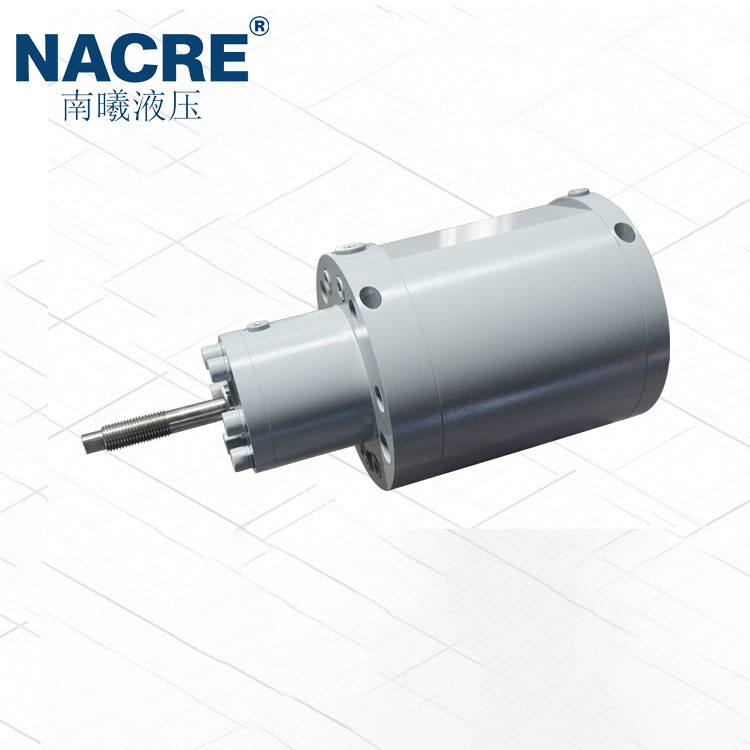
Tie rod cylinders are a specific type of hydraulic cylinder commonly used in various industrial applications. They play a vital role in converting hydraulic energy into mechanical force, providing the necessary power for numerous operations. The construction of tie rod cylinders typically involves a cylinder barrel, piston, and tie rods that hold the assembly together. This design not only ensures durability but also allows for ease of maintenance and serviceability.
One of the key advantages of tie rod cylinders is their versatility. They can be utilized in a multitude of applications, ranging from construction equipment and manufacturing machinery to material handling and automation systems. The robust design of tie rod cylinders enables them to handle high pressures, making them suitable for demanding industrial environments.
When selecting a tie rod cylinder for a specific application, it's essential to consider several factors, including the required force output, stroke length, and mounting options. These cylinders are available in various sizes and configurations, allowing professionals to customize them to meet the specific needs of their equipment and operational requirements.
Another important aspect to consider is the materials used in manufacturing tie rod cylinders. Most are constructed from high-strength steel, which provides excellent resistance to wear and tear, ensuring a longer service life. Additionally, various surface treatments can be applied to enhance corrosion resistance, further extending the cylinder's operational lifespan.
Maintenance is also a critical consideration for tie rod cylinders. Regular inspections of seals, rods, and overall cylinder integrity can prevent unexpected failures, which can lead to costly downtime. It's advisable to follow a maintenance schedule that includes checking for hydraulic fluid leaks, monitor performance, and replace worn components as necessary.
Furthermore, tie rod cylinders are often equipped with various features to enhance their performance. These may include adjustable cushions for controlling the speed of the cylinder's extension and retraction, as well as integrated sensors for position feedback, which can be crucial for automation applications.
In summary, tie rod cylinders are a fundamental component in hydraulic machinery and applications. Their robust design, versatility, and ease of maintenance make them a preferred choice in the industrial sector. By understanding their construction, applications, and maintenance requirements, professionals can make informed decisions to optimize their operations and improve overall efficiency.
One of the key advantages of tie rod cylinders is their versatility. They can be utilized in a multitude of applications, ranging from construction equipment and manufacturing machinery to material handling and automation systems. The robust design of tie rod cylinders enables them to handle high pressures, making them suitable for demanding industrial environments.
When selecting a tie rod cylinder for a specific application, it's essential to consider several factors, including the required force output, stroke length, and mounting options. These cylinders are available in various sizes and configurations, allowing professionals to customize them to meet the specific needs of their equipment and operational requirements.
Another important aspect to consider is the materials used in manufacturing tie rod cylinders. Most are constructed from high-strength steel, which provides excellent resistance to wear and tear, ensuring a longer service life. Additionally, various surface treatments can be applied to enhance corrosion resistance, further extending the cylinder's operational lifespan.
Maintenance is also a critical consideration for tie rod cylinders. Regular inspections of seals, rods, and overall cylinder integrity can prevent unexpected failures, which can lead to costly downtime. It's advisable to follow a maintenance schedule that includes checking for hydraulic fluid leaks, monitor performance, and replace worn components as necessary.
Furthermore, tie rod cylinders are often equipped with various features to enhance their performance. These may include adjustable cushions for controlling the speed of the cylinder's extension and retraction, as well as integrated sensors for position feedback, which can be crucial for automation applications.
In summary, tie rod cylinders are a fundamental component in hydraulic machinery and applications. Their robust design, versatility, and ease of maintenance make them a preferred choice in the industrial sector. By understanding their construction, applications, and maintenance requirements, professionals can make informed decisions to optimize their operations and improve overall efficiency.

Questions?
We are here to help.
