

Understanding the Role of Hydraulic Cylinders in Automobile Cranes
2026-01-01
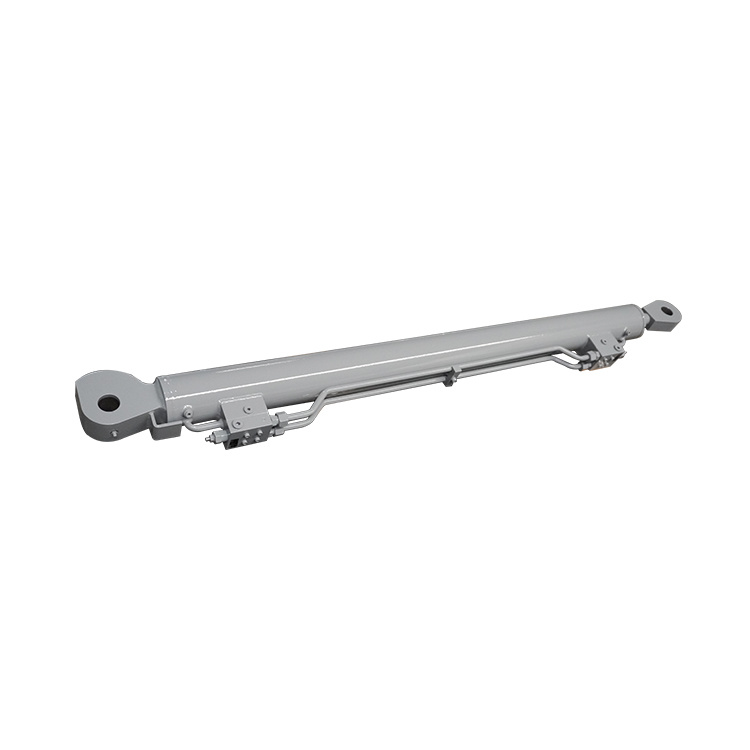
Hydraulic cylinders are foundational components in the operation of automobile cranes, facilitating lifting, lowering, and maneuvering tasks essential for various industrial activities. These cylinders convert hydraulic energy into mechanical force, allowing cranes to perform heavy-duty lifting with precision and efficiency. Understanding the functionality and maintenance of hydraulic cylinders can significantly improve the performance and lifespan of automobile cranes.
The basic operation of a hydraulic cylinder involves pressurized hydraulic fluid pushing against a piston within a cylindrical housing. This pressure creates force that moves the piston, which in turn moves the crane's boom or other attachments. The efficiency of this system can be heavily influenced by the design and materials used in the hydraulic cylinder. Factors such as bore size, stroke length, and rod diameter must be carefully calculated to meet the specific demands of the crane's operations.
Automobile cranes typically utilize two main types of hydraulic cylinders: single-acting and double-acting. Single-acting cylinders allow fluid pressure to move the piston in one direction only, relying on gravity or an external force to return to the original position. In contrast, double-acting cylinders can exert force in both directions, providing greater control and flexibility during operations. Choosing the appropriate type of cylinder can enhance the crane’s functionality and improve workflow efficiency.
Maintenance is critical for the longevity and reliability of hydraulic cylinders in automobile cranes. Regular inspections should include checking for leaks, assessing the condition of seals, and ensuring that hydraulic fluid levels are adequate. It is also advisable to clean the cylinders regularly to prevent contamination, which can lead to decreased performance or even failure. Staying proactive in maintenance can help avoid costly downtime and repairs, ensuring that the crane operates smoothly and safely.
When selecting hydraulic cylinders for automobile cranes, it is essential to consider the load capacity and operational requirements. Manufacturers often provide detailed specifications, including pressure ratings, temperature ranges, and cycle life. Understanding these specifications allows professionals to choose hydraulic cylinders that are not only compatible with their equipment but also optimized for the specific tasks they will perform.
In conclusion, hydraulic cylinders are integral to the functionality of automobile cranes, impacting their efficiency and effectiveness in various industrial applications. By understanding their operation, types, and maintenance needs, professionals can enhance the performance and reliability of their crane systems. Investing time in selecting the right hydraulic cylinders and adhering to regular maintenance practices can lead to improved operational efficiency and reduced downtime in the field.
The basic operation of a hydraulic cylinder involves pressurized hydraulic fluid pushing against a piston within a cylindrical housing. This pressure creates force that moves the piston, which in turn moves the crane's boom or other attachments. The efficiency of this system can be heavily influenced by the design and materials used in the hydraulic cylinder. Factors such as bore size, stroke length, and rod diameter must be carefully calculated to meet the specific demands of the crane's operations.
Automobile cranes typically utilize two main types of hydraulic cylinders: single-acting and double-acting. Single-acting cylinders allow fluid pressure to move the piston in one direction only, relying on gravity or an external force to return to the original position. In contrast, double-acting cylinders can exert force in both directions, providing greater control and flexibility during operations. Choosing the appropriate type of cylinder can enhance the crane’s functionality and improve workflow efficiency.
Maintenance is critical for the longevity and reliability of hydraulic cylinders in automobile cranes. Regular inspections should include checking for leaks, assessing the condition of seals, and ensuring that hydraulic fluid levels are adequate. It is also advisable to clean the cylinders regularly to prevent contamination, which can lead to decreased performance or even failure. Staying proactive in maintenance can help avoid costly downtime and repairs, ensuring that the crane operates smoothly and safely.
When selecting hydraulic cylinders for automobile cranes, it is essential to consider the load capacity and operational requirements. Manufacturers often provide detailed specifications, including pressure ratings, temperature ranges, and cycle life. Understanding these specifications allows professionals to choose hydraulic cylinders that are not only compatible with their equipment but also optimized for the specific tasks they will perform.
In conclusion, hydraulic cylinders are integral to the functionality of automobile cranes, impacting their efficiency and effectiveness in various industrial applications. By understanding their operation, types, and maintenance needs, professionals can enhance the performance and reliability of their crane systems. Investing time in selecting the right hydraulic cylinders and adhering to regular maintenance practices can lead to improved operational efficiency and reduced downtime in the field.

Questions?
We are here to help.
