

Understanding Mine Equipment Hydraulic Cylinders: Essential Components for Industrial Applications
2026-01-21

Hydraulic cylinders are pivotal components in various industrial applications, especially in mining equipment. These devices convert hydraulic energy into mechanical motion, allowing for the precise control and application of force. Understanding the function and advantages of mine equipment hydraulic cylinders is essential for anyone involved in industrial operations.
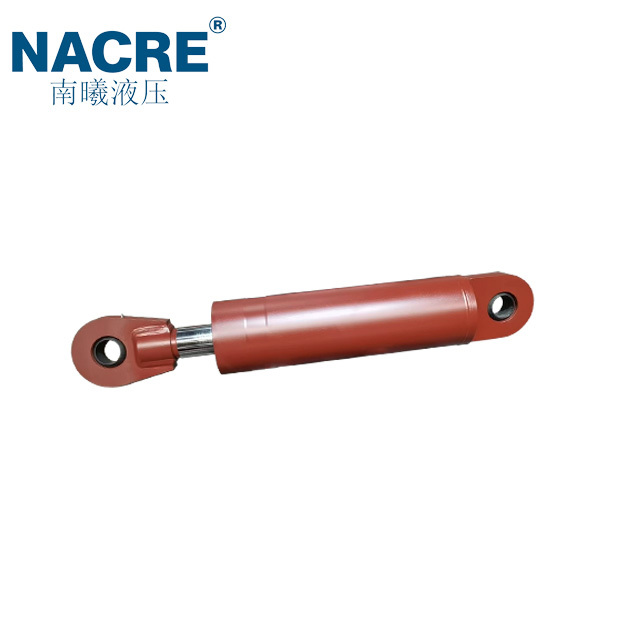
At their core, hydraulic cylinders consist of a cylindrical barrel, a piston, and a rod. When pressurized hydraulic fluid enters the cylinder, it pushes the piston, resulting in linear motion of the rod. This setup is crucial in mining operations where heavy machinery is often required to perform tasks like drilling, lifting, and transporting materials. The efficiency and reliability of these cylinders directly impact the overall productivity of mining activities.
One of the primary advantages of using hydraulic cylinders in mine equipment is their ability to generate significant force in a compact design. Unlike other mechanical systems, hydraulic cylinders can provide a high power-to-weight ratio, making them ideal for applications where space and weight constraints are critical. This is particularly important in mining environments, where equipment needs to be both powerful and portable.
Additionally, hydraulic cylinders offer smooth and controlled motion. The ability to modulate the fluid pressure allows for gradual acceleration and deceleration, reducing the risk of mechanical shock to equipment and enhancing operator safety. This smooth operation is essential in mining, where precision can prevent accidents and damage to both the machine and the materials being handled.
Another important consideration is the durability and maintenance of mine equipment hydraulic cylinders. Given the harsh and often abrasive conditions of mining environments, these cylinders are usually constructed from high-strength materials that can withstand wear and tear. Regular maintenance is imperative, as it ensures the longevity of the equipment and prevents unexpected failures that could lead to costly downtime.
When selecting hydraulic cylinders for mine equipment, factors such as stroke length, bore size, and mounting configurations must be considered to meet specific operational needs. It's crucial to work with experienced professionals who can help identify the best hydraulic solutions tailored to particular mining applications.
In summary, mine equipment hydraulic cylinders are integral to the efficiency and effectiveness of industrial operations, particularly in the mining sector. Their ability to generate significant force in a compact form, coupled with controlled motion and durability, makes them indispensable. Understanding these components not only aids in selecting the right equipment but also ensures optimal performance and safety in demanding environments. As technology continues to advance, the future of hydraulic cylinders looks promising, with innovations that will further enhance their capabilities and applications in the mining industry.
At their core, hydraulic cylinders consist of a cylindrical barrel, a piston, and a rod. When pressurized hydraulic fluid enters the cylinder, it pushes the piston, resulting in linear motion of the rod. This setup is crucial in mining operations where heavy machinery is often required to perform tasks like drilling, lifting, and transporting materials. The efficiency and reliability of these cylinders directly impact the overall productivity of mining activities.
One of the primary advantages of using hydraulic cylinders in mine equipment is their ability to generate significant force in a compact design. Unlike other mechanical systems, hydraulic cylinders can provide a high power-to-weight ratio, making them ideal for applications where space and weight constraints are critical. This is particularly important in mining environments, where equipment needs to be both powerful and portable.
Additionally, hydraulic cylinders offer smooth and controlled motion. The ability to modulate the fluid pressure allows for gradual acceleration and deceleration, reducing the risk of mechanical shock to equipment and enhancing operator safety. This smooth operation is essential in mining, where precision can prevent accidents and damage to both the machine and the materials being handled.
Another important consideration is the durability and maintenance of mine equipment hydraulic cylinders. Given the harsh and often abrasive conditions of mining environments, these cylinders are usually constructed from high-strength materials that can withstand wear and tear. Regular maintenance is imperative, as it ensures the longevity of the equipment and prevents unexpected failures that could lead to costly downtime.
When selecting hydraulic cylinders for mine equipment, factors such as stroke length, bore size, and mounting configurations must be considered to meet specific operational needs. It's crucial to work with experienced professionals who can help identify the best hydraulic solutions tailored to particular mining applications.
In summary, mine equipment hydraulic cylinders are integral to the efficiency and effectiveness of industrial operations, particularly in the mining sector. Their ability to generate significant force in a compact form, coupled with controlled motion and durability, makes them indispensable. Understanding these components not only aids in selecting the right equipment but also ensures optimal performance and safety in demanding environments. As technology continues to advance, the future of hydraulic cylinders looks promising, with innovations that will further enhance their capabilities and applications in the mining industry.



Questions?
We are here to help.
