

The Essential Role of Hydraulic Cylinders in Enhancing Modern Agricultural Tractors
2026-01-26
The Essential Role of Hydraulic Cylinders in Enhancing Modern Agricultural Tractors
Table of Contents
- 1. Introduction to Hydraulic Cylinders in Agriculture
- 2. Understanding Hydraulic Cylinders: Definition and Function
- 3. Key Components of Hydraulic Cylinders
- 4. Operational Principles of Hydraulic Cylinders
- 5. Applications of Hydraulic Cylinders in Modern Agricultural Tractors
- 6. Advantages of Utilizing Hydraulic Cylinders
- 7. Maintenance Tips for Hydraulic Cylinders in Tractors
- 8. Future Trends in Hydraulic Technology for Agriculture
- 9. Conclusion
- 10. FAQs About Hydraulic Cylinders in Agricultural Tractors
1. Introduction to Hydraulic Cylinders in Agriculture
In the realm of agriculture, efficiency and precision are paramount. As farming practices evolve, so does the technology that supports them. Hydraulic cylinders are at the heart of modern agricultural machines, particularly tractors, allowing them to perform a myriad of tasks with ease and accuracy. This article explores the integral role hydraulic cylinders play in enhancing the functionality and performance of agricultural tractors.
2. Understanding Hydraulic Cylinders: Definition and Function
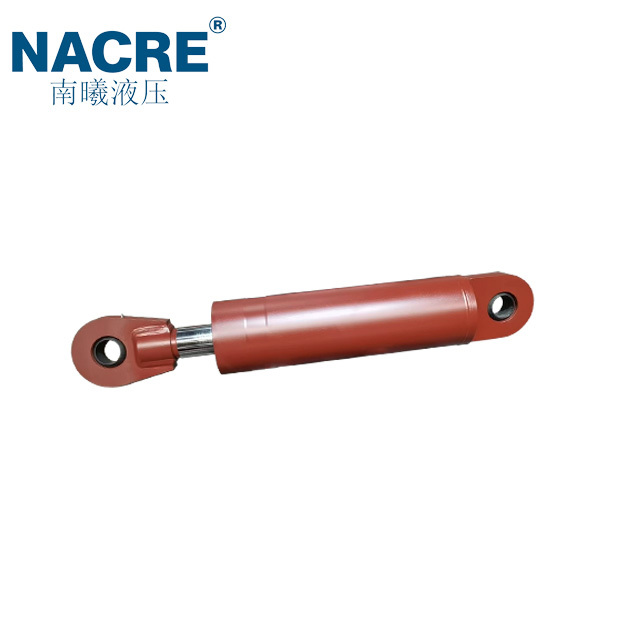
Hydraulic cylinders are mechanical devices that use pressurized fluid to produce linear motion and force. They are an essential component in hydraulic systems, which are widely employed in various machines, including agricultural tractors. By converting hydraulic energy into mechanical energy, these cylinders allow for seamless movement, lifting, and other operations crucial to farming tasks.
2.1 The Mechanism Behind Hydraulic Action
The fundamental principle behind hydraulic cylinders is Pascal's Law, which states that a change in pressure applied to a confined fluid is transmitted undiminished throughout the fluid. This principle allows hydraulic cylinders to amplify force, making them ideal for heavy-duty applications in agriculture.
3. Key Components of Hydraulic Cylinders
Understanding the components of hydraulic cylinders is vital to appreciating their function. The primary components include:
3.1 Cylinder Barrel
The cylinder barrel houses the hydraulic fluid and provides the surface for the piston to move.
3.2 Piston
The piston is a crucial component that divides the cylinder into two chambers. It moves in response to the pressure of the hydraulic fluid.
3.3 Rod
The rod extends from the piston and connects to the implement or tool being powered by the hydraulic system.
3.4 Seals and Gaskets
Seals and gaskets ensure that hydraulic fluid remains contained within the cylinder, preventing leaks that could compromise performance.
4. Operational Principles of Hydraulic Cylinders
Hydraulic cylinders operate through a simple yet effective process. When hydraulic fluid is directed into one side of the piston, it creates pressure that forces the piston to move in a specified direction. This movement can be controlled and adjusted to suit various tasks, such as lifting, pushing, or pulling.
4.1 Controlling Movement
The direction and speed of the piston can be precisely controlled using hydraulic valves, enabling operators to perform intricate tasks that require high levels of accuracy.
4.2 Power and Efficiency
Due to their ability to multiply force, hydraulic cylinders are capable of lifting heavy loads with minimal input effort. This efficiency is particularly beneficial in agricultural settings where time and energy are critical.
5. Applications of Hydraulic Cylinders in Modern Agricultural Tractors
Hydraulic cylinders are employed in various applications within agricultural tractors, enhancing their versatility and functionality:
5.1 Loader Systems
Hydraulic loaders utilize cylinders to lift and tilt materials, making them indispensable for transporting soil, fertilizers, and crops.
5.2 Plowing and Tilling
Hydraulic cylinders enable the adjustment of plow and tiller angles, allowing for efficient soil preparation and cultivation.
5.3 Steering Mechanisms
Many modern tractors utilize hydraulic power for steering, providing smoother and more responsive handling, especially in tight spaces.
5.4 Implement Control
Hydraulic cylinders control various implements attached to tractors, such as seeders and harvesters, enhancing operational flexibility.
6. Advantages of Utilizing Hydraulic Cylinders
The integration of hydraulic cylinders into agricultural machinery offers numerous advantages:
6.1 Increased Efficiency
Hydraulic systems allow for rapid movement and adjustments, significantly reducing task completion time.
6.2 Enhanced Precision
With hydraulic controls, operators can perform tasks with high levels of accuracy, leading to better crop management.
6.3 Reduced Operator Fatigue
The ease of use associated with hydraulic systems minimizes physical strain on operators, leading to enhanced productivity.
6.4 Versatility
Hydraulic cylinders can be adapted for various applications, making them an essential component of modern agricultural tractors.
7. Maintenance Tips for Hydraulic Cylinders in Tractors
To ensure the longevity and efficiency of hydraulic cylinders, regular maintenance is crucial:
7.1 Regular Inspections
Routine checks for leaks, wear, and damage can help catch issues early before they escalate.
7.2 Fluid Quality
Using the correct hydraulic fluid and maintaining its cleanliness can prevent system failures and enhance performance.
7.3 Seals and Gaskets
Replacing worn seals and gaskets is essential to prevent leaks and maintain system pressure.
7.4 Professional Servicing
Engaging professionals for comprehensive servicing can help ensure that hydraulic systems function optimally.
8. Future Trends in Hydraulic Technology for Agriculture
As technology advances, the future of hydraulic systems in agriculture looks promising. Emerging trends include:
8.1 Smart Hydraulic Systems
Integrating IoT technology could lead to smarter hydraulic systems that provide real-time data, enhancing operational efficiency.
8.2 Environmental Considerations
Developing eco-friendly hydraulic fluids and systems can contribute to more sustainable farming practices.
8.3 Automation and Robotics
The integration of hydraulic systems in automated and robotic agricultural equipment promises to revolutionize farming practices further.
9. Conclusion
Hydraulic cylinders are indispensable to modern agricultural tractors, transforming how tasks are performed in farming. Their efficiency, precision, and versatility make them a vital component of contemporary farming equipment. As technology continues to evolve, the role of hydraulic cylinders will only become more significant, driving advancements in agricultural practices and enhancing productivity on farms worldwide.
10. FAQs About Hydraulic Cylinders in Agricultural Tractors
10.1 What is the primary function of hydraulic cylinders in tractors?
Hydraulic cylinders are used to convert hydraulic energy into mechanical motion, enabling various tasks such as lifting, pushing, and controlling implements.
10.2 How do I know if my hydraulic cylinder needs maintenance?
Signs of wear, leaks, or a decrease in performance can indicate that your hydraulic cylinder requires maintenance.
10.3 Can hydraulic cylinders be repaired?
Yes, many hydraulic cylinders can be repaired, but in some cases, replacement may be more economical, especially if the damage is extensive.
10.4 What hydraulic fluid should I use in my tractor?
Always refer to your tractor's manual for the manufacturer's recommended hydraulic fluid to ensure optimal performance.
10.5 How can I improve the efficiency of my hydraulic system?
Regular maintenance, using high-quality hydraulic fluid, and ensuring proper sealing can greatly improve the efficiency of hydraulic systems in tractors.




Questions?
We are here to help.
