

Understanding Maritime Port Hydraulic Cylinders: Key Features and Applications
2026-03-12
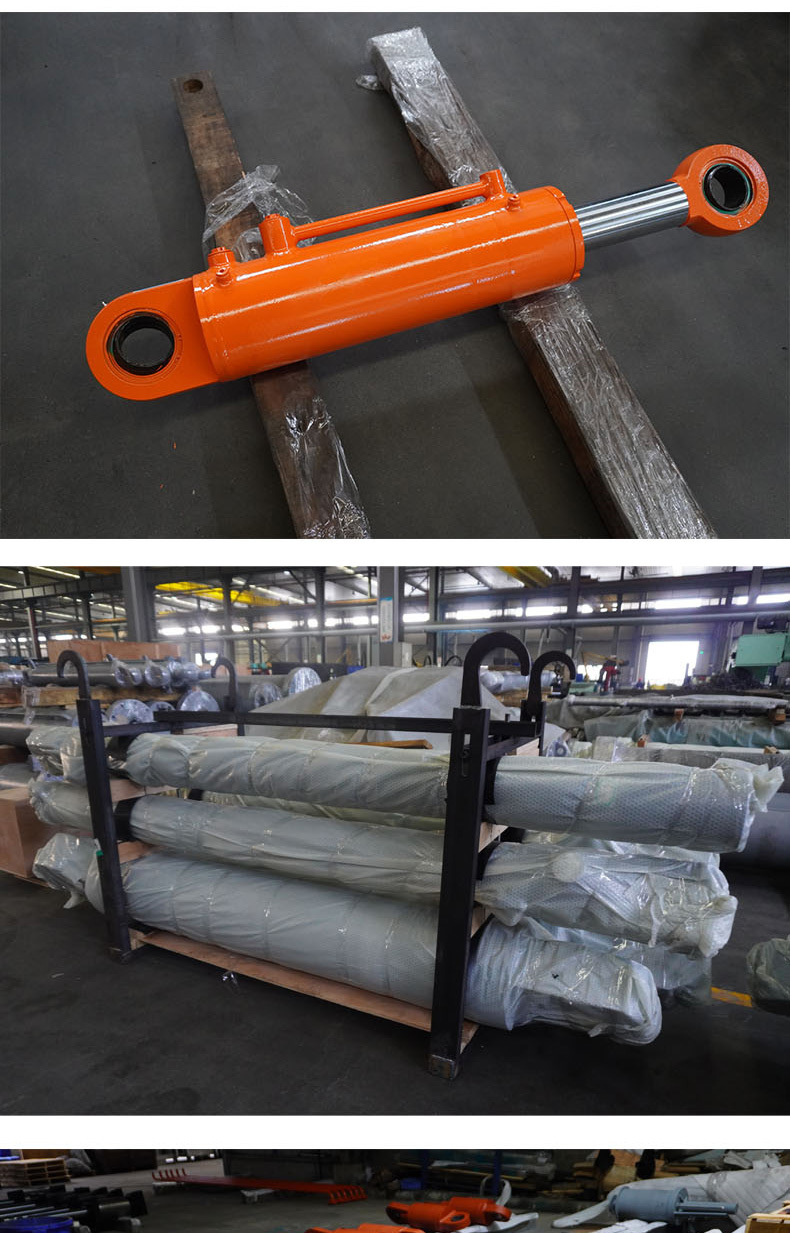
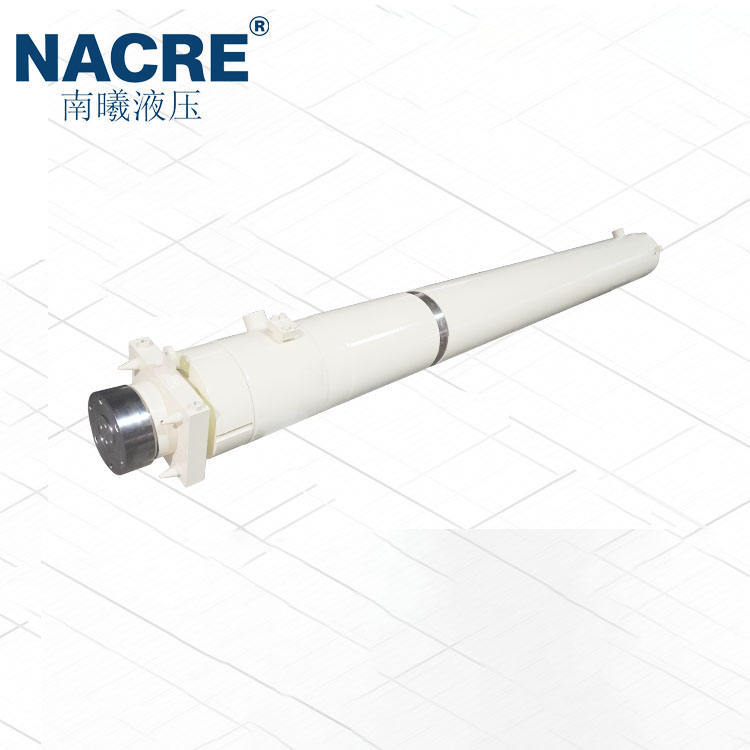
Hydraulic cylinders are crucial components in maritime port operations, providing the necessary force and control required for various tasks, such as lifting, lowering, and moving heavy equipment and cargo. These robust devices convert hydraulic energy into mechanical energy, enabling the smooth operation of cranes, dockside machinery, and other essential port equipment.
One of the primary benefits of maritime port hydraulic cylinders is their ability to handle substantial loads. Engineered to withstand harsh marine environments, these cylinders are often made from high-strength materials that resist corrosion and wear. This durability is essential in port operations, where exposure to saltwater and extreme weather conditions is common. Additionally, many hydraulic cylinders are designed with seals and coatings that further enhance their longevity and performance.
Another key feature of hydraulic cylinders used in ports is their versatility. They can be configured for various applications, including container handling, ship repair, and maintenance operations. By providing precise control over movement, hydraulic cylinders allow operators to perform intricate maneuvers that are vital for the safe and efficient handling of cargo. This control is particularly important in a bustling port environment, where timely operations can significantly impact overall productivity.
Moreover, advancements in hydraulic technology have led to the development of intelligent hydraulic systems that enhance the functionality of maritime port hydraulic cylinders. These systems can incorporate sensors and automated controls, allowing for real-time monitoring and adjustments. This not only improves efficiency but also enhances safety by minimizing the risk of human error during operations.
It's also worth noting that regular maintenance of hydraulic cylinders is essential to ensure their optimal performance. Routine inspections and service can help identify potential issues before they escalate, thus prolonging the lifecycle of the equipment and preventing costly downtime. Operators should pay particular attention to the hydraulic fluid, seals, and fittings, as these components play a vital role in the system's overall functionality.
In conclusion, maritime port hydraulic cylinders are indispensable for ensuring the efficiency and safety of port operations. Their ability to provide significant lifting and control capabilities, combined with advancements in hydraulic technology, make them a vital component of modern maritime logistics. By understanding their features and applications, port operators can better leverage these hydraulic systems to improve productivity and operational effectiveness.
One of the primary benefits of maritime port hydraulic cylinders is their ability to handle substantial loads. Engineered to withstand harsh marine environments, these cylinders are often made from high-strength materials that resist corrosion and wear. This durability is essential in port operations, where exposure to saltwater and extreme weather conditions is common. Additionally, many hydraulic cylinders are designed with seals and coatings that further enhance their longevity and performance.
Another key feature of hydraulic cylinders used in ports is their versatility. They can be configured for various applications, including container handling, ship repair, and maintenance operations. By providing precise control over movement, hydraulic cylinders allow operators to perform intricate maneuvers that are vital for the safe and efficient handling of cargo. This control is particularly important in a bustling port environment, where timely operations can significantly impact overall productivity.
Moreover, advancements in hydraulic technology have led to the development of intelligent hydraulic systems that enhance the functionality of maritime port hydraulic cylinders. These systems can incorporate sensors and automated controls, allowing for real-time monitoring and adjustments. This not only improves efficiency but also enhances safety by minimizing the risk of human error during operations.
It's also worth noting that regular maintenance of hydraulic cylinders is essential to ensure their optimal performance. Routine inspections and service can help identify potential issues before they escalate, thus prolonging the lifecycle of the equipment and preventing costly downtime. Operators should pay particular attention to the hydraulic fluid, seals, and fittings, as these components play a vital role in the system's overall functionality.
In conclusion, maritime port hydraulic cylinders are indispensable for ensuring the efficiency and safety of port operations. Their ability to provide significant lifting and control capabilities, combined with advancements in hydraulic technology, make them a vital component of modern maritime logistics. By understanding their features and applications, port operators can better leverage these hydraulic systems to improve productivity and operational effectiveness.
Previous Page
Questions?
We are here to help.
