

The Critical Role of Regular Maintenance for Pile Machinery Hydraulic Cylinders: Ensuring Efficiency and Longevity
2026-03-07
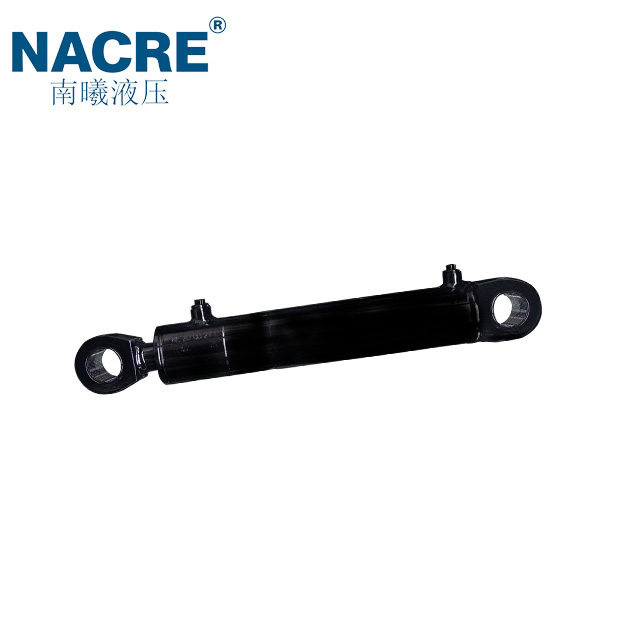
The Critical Role of Regular Maintenance for Pile Machinery Hydraulic Cylinders
In the realm of industrial equipment and components, especially in hydraulic machinery, the importance of regular maintenance cannot be overstated. Pile machinery hydraulic cylinders play a pivotal role in ensuring the efficient operation of various construction and civil engineering projects. Their reliability determines the success of tasks ranging from foundation work to heavy lifting. To maintain peak performance and extend the lifespan of these vital components, a dedicated maintenance regime is essential.
Understanding Hydraulic Cylinders in Pile Machinery
Hydraulic cylinders are mechanical devices that convert hydraulic energy into linear motion. In pile machinery, they are responsible for executing essential functions such as lifting, pushing, or pulling loads. Their construction typically involves a cylinder barrel, a piston, and hydraulic fluid, which work together to create the force needed to perform demanding tasks.
The Working Mechanism of Hydraulic Cylinders
When hydraulic fluid is pumped into the cylinder, it exerts pressure on the piston, resulting in movement. This mechanism allows for high force output while maintaining precise control over the motion. Hydraulic cylinders are favored in pile machinery due to their ability to handle substantial loads and their durability in harsh environments.
Types of Hydraulic Cylinders Used in Pile Machinery
1. **Single-Acting Cylinders:** These cylinders utilize hydraulic pressure to extend the piston, relying on gravity or a spring to retract.
2. **Double-Acting Cylinders:** These allow for movement in both directions, offering more versatility in applications.
3. **Telescopic Cylinders:** Designed for applications requiring an extended reach, these cylinders can extend beyond their initial length.
The Consequences of Neglecting Maintenance
Failing to perform regular maintenance on hydraulic cylinders can lead to severe repercussions that affect not only the equipment but also overall project timelines. Here are some potential consequences of neglect:
1. Increased Downtime
Unexpected failures in hydraulic cylinders can lead to unplanned downtime, disrupting project schedules and increasing operational costs. Regular maintenance helps identify potential issues before they escalate, ensuring continuous productivity.
2. Reduced Efficiency
Buildup of dirt, contaminants, or leaks within the hydraulic system can significantly reduce the efficiency of hydraulic cylinders. This can lead to slower response times and decreased lifting capabilities, making it challenging to meet project demands.
3. Safety Hazards
Neglected maintenance can create a safety hazard for operators and nearby workers. Hydraulic failures can result in sudden equipment malfunctions that pose dangers on job sites, potentially leading to accidents or injuries.
Key Benefits of Regular Maintenance
Implementing a routine maintenance schedule for hydraulic cylinders offers several advantages that contribute to the overall effectiveness of pile machinery.
1. Prolonged Lifespan of Equipment
Regular inspections and servicing can significantly extend the life of hydraulic cylinders. By addressing minor issues before they develop into major problems, operators can maximize their investment.
2. Enhanced Performance
Through routine maintenance, hydraulic cylinders maintain optimal performance levels. Regularly checking for leaks, seals, and fluid quality ensures that the machinery operates efficiently and effectively.
3. Cost Savings
While maintenance requires an upfront investment, it ultimately leads to substantial cost savings. Preventing major repairs or replacements can save thousands of dollars over the long run.
Best Practices for Maintaining Hydraulic Cylinders
To ensure the longevity and reliability of hydraulic cylinders, consider the following best practices for regular maintenance:
1. Establish a Maintenance Schedule
Create a detailed maintenance schedule that outlines regular inspection checkpoints, fluid changes, and component replacements. This plan should be tailored to the specific usage patterns and operational demands of the machinery.
2. Monitor Fluid Quality
Regularly check the hydraulic fluid for signs of contamination or degradation. Replace the fluid as needed to prevent wear and ensure optimal performance.
3. Inspect Seals and Gaskets
Hydraulic seals and gaskets are crucial for preventing leaks. Regularly inspect these components for wear and replace them promptly to maintain system integrity.
4. Clean the Cylinders
Dirt and debris can accumulate on hydraulic cylinders, leading to potential damage. Regularly clean the exterior of the cylinders and ensure that no contaminants enter the hydraulic system.
5. Conduct Pressure Tests
Performing pressure tests can help identify issues such as leaks or weak spots in the hydraulic system. Regular testing ensures that the equipment remains within operational parameters.
Signs Indicating the Need for Maintenance
Being aware of the signs that indicate maintenance is required for hydraulic cylinders is crucial for preventing larger issues down the line.
1. Leaks
Visible leaks around the cylinder or on the machinery are clear indicators that maintenance is needed. Addressing leaks promptly can prevent further damage.
2. Unusual Noises
If hydraulic cylinders produce unusual sounds, such as whining or grinding, it may be a sign of low fluid levels or internal damage. Investigate and resolve the issue immediately.
3. Decreased Performance
A noticeable drop in performance, such as slower movement or inability to hold loads, signifies that maintenance is required. Regular assessments can help identify performance issues early.
Tools and Equipment for Effective Maintenance
Having the right tools and equipment is essential for performing maintenance on hydraulic cylinders effectively.
1. Hydraulic Fluid Tester
This tool allows for precise testing of fluid quality and contamination levels. Regular testing can help maintain optimal hydraulic performance.
2. Sealing Kits
Keep a stock of sealing kits on hand for quick replacement of worn gaskets and seals. This ensures that maintenance can be performed promptly.
3. Pressure Gauges
Pressure gauges allow operators to monitor the hydraulic system’s pressure levels in real time, helping to identify issues before they escalate.
FAQs About Hydraulic Cylinder Maintenance
1. How often should hydraulic cylinders be inspected?
Regular inspections should occur at least once every three months, though frequency may vary based on usage intensity and environmental conditions.
2. What are the common causes of hydraulic cylinder failure?
Common causes include fluid contamination, seal wear, improper installation, and lack of maintenance.
3. Can I perform maintenance on hydraulic cylinders myself?
While basic maintenance tasks can be performed by trained personnel, more complex repairs should be handled by certified professionals to ensure safety and compliance.
4. How can I tell if my hydraulic fluid needs to be changed?
Signs include discoloration, a burnt smell, or the presence of particulates. Regular testing can help determine fluid quality.
5. What should I do if I notice a leak in my hydraulic cylinder?
Immediately stop using the machinery and inspect the cylinder. Identify the source of the leak and replace worn seals or gaskets as necessary.
Conclusion
Maintaining hydraulic cylinders in pile machinery is not merely a best practice; it is a critical necessity that ensures operational efficiency, safety, and cost-effectiveness. Regular maintenance allows operators to identify and address potential issues before they escalate, extending the lifespan of equipment and enhancing overall performance. By implementing a structured maintenance program and being proactive about inspections and repairs, companies can ensure that their hydraulic systems operate smoothly and effectively, ultimately leading to successful project outcomes. Embrace routine maintenance as an integral part of your operational strategy, and witness the positive impact it has on your machinery and projects alike.


Questions?
We are here to help.
