

Troubleshooting Common Issues with Tractor Loader Cylinders: A Comprehensive Guide
2026-04-06
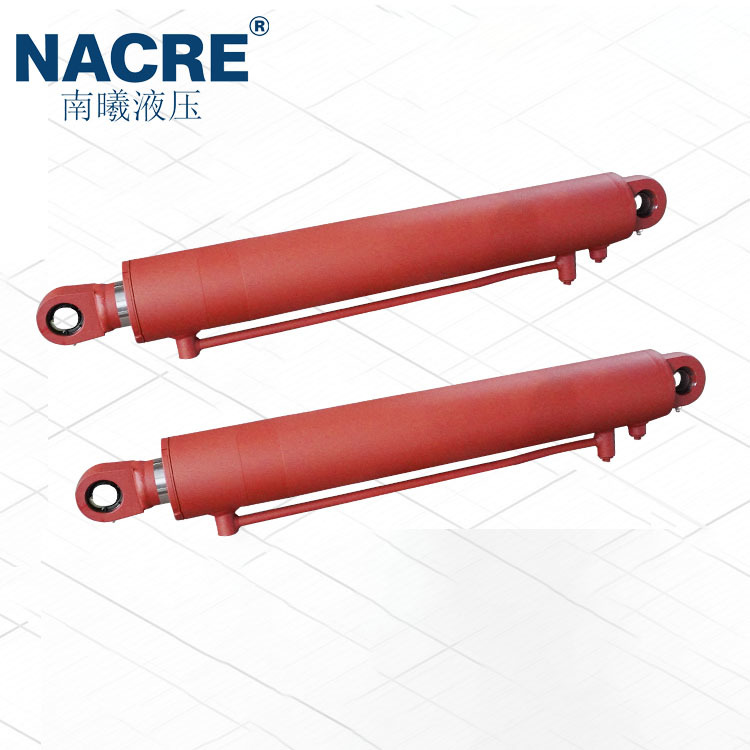
Troubleshooting Common Issues with Tractor Loader Cylinders
Introduction to Tractor Loader Cylinders
Tractor loader cylinders play a vital role in the functionality of your equipment. These hydraulic cylinders are responsible for lifting and lowering the loader arms, allowing for efficient loading, unloading, and moving of materials. However, like any hydraulic component, they are prone to various issues that can affect their performance. In this guide, we will explore common problems associated with tractor loader cylinders, how to identify them, and practical solutions for troubleshooting.
Understanding the Basics of Hydraulic Systems
What Are Hydraulic Systems?
Hydraulic systems utilize liquid fluids to transmit force through a system of hoses, cylinders, and pumps. The principles of fluid mechanics are at the core of these systems, providing the necessary power for lifting and moving heavy loads.
Components of a Tractor Loader Hydraulic System
Key components involved in the hydraulic system of a tractor loader include:
- **Hydraulic Pump**: Generates flow and pressure.
- **Hydraulic Fluid**: The medium for power transmission.
- **Hydraulic Cylinders**: Convert hydraulic energy into mechanical energy.
- **Control Valves**: Direct fluid flow within the system.
- **Hoses and Fittings**: Connect and secure the system components.
Understanding these components is crucial for diagnosing issues effectively.
Common Symptoms of Malfunctioning Tractor Loader Cylinders
Recognizing the symptoms of hydraulic cylinder problems early can save time and money. Below are some common indicators:
1. Slow Response Time
One of the first signs of trouble is a slow response time when operating the loader. If the cylinders do not extend or retract quickly, it may indicate low hydraulic fluid levels, air trapped in the system, or a failing hydraulic pump.
2. Uneven Movement
If one side of the loader is lifting higher than the other, this could be due to a leaking cylinder or a failure in the hydraulic control valve. Uneven movement not only affects performance but also poses safety risks.
3. Hydraulic Fluid Leaks
Visible leaks around the hydraulic cylinder seals or connections are clear indicators of a problem. Leaks can lead to a drop in pressure, severely affecting the performance of the loader.
4. Noisy Operation
If the hydraulic system operates with unusual sounds, such as grinding or whining, this may suggest a mechanical issue within the cylinder or insufficient lubrication.
Step-by-Step Troubleshooting Procedures
To effectively troubleshoot these issues, follow these step-by-step procedures:
Step 1: Inspect the Hydraulic Fluid Level
Begin by checking the hydraulic fluid reservoir. Low levels can cause erratic operation. Ensure the fluid is at the recommended level, and use the manufacturer’s specified hydraulic fluid for optimal performance.
Step 2: Examine for Leaks
Inspect the hydraulic cylinders and hoses for any signs of fluid leaks. Pay particular attention to the seals and fittings. If leaks are found, replace faulty components immediately to prevent further damage.
Step 3: Check for Air in the System
Air trapped in the hydraulic system can lead to slow response times and uneven movement. Bleed the system according to the manufacturer’s instructions to eliminate trapped air.
Step 4: Test the Control Valves
Using a multimeter, check the electrical connections to the control valves. Ensure there are no shorts or broken wires. If the valves are malfunctioning, they may need to be cleaned or replaced.
Step 5: Assess Cylinder Performance
Conduct a performance test of the hydraulic cylinders. Extend and retract the cylinders while observing their action. If they show signs of binding or sticking, it may indicate internal wear or damage.
Common Issues with Tractor Loader Cylinders and Their Solutions
Let’s delve deeper into specific issues that may arise with tractor loader cylinders, along with effective solutions.
1. Cylinder Seal Failure
**Problem:** Seal failure is a common issue leading to hydraulic fluid leakage.
**Solution:** Inspect and replace the seals as necessary. Ensure that the replacement seals are compatible with the hydraulic fluid used.
2. Rod Damage
**Problem:** Damage to the rod can cause leaks and operational issues.
**Solution:** Examine the rod for scratches, dents, or signs of corrosion. If damaged, the rod should be replaced to maintain efficiency.
3. Contaminated Hydraulic Fluid
**Problem:** Contaminants can compromise hydraulic system performance and lead to cylinder wear.
**Solution:** Regularly change the hydraulic fluid and use high-quality filters to prevent contamination. Keep the hydraulic system clean during maintenance.
4. Hydraulic Pump Failure
**Problem:** A failing hydraulic pump can lead to insufficient pressure, resulting in slow or jerky loader movements.
**Solution:** Test the pump’s output pressure and flow. If it falls below specifications, consider replacing or rebuilding the pump.
5. Improper Cylinder Sizing
**Problem:** Using an incorrectly sized cylinder can lead to inadequate lifting capacity or excessive wear.
**Solution:** Verify the specifications for the hydraulic cylinders against the loader's requirements. Replace with the correct size if necessary.
Preventive Maintenance for Tractor Loader Cylinders
To extend the lifespan of your tractor loader cylinders and minimize issues, implementing a preventive maintenance plan is essential. Here are best practices:
1. Regular Inspections
Conduct periodic inspections of the hydraulic system, checking for leaks, wear, and proper fluid levels. Timely detection of problems can prevent costly repairs.
2. Fluid Changes
Follow the manufacturer’s recommendations for fluid changes. Regularly replacing hydraulic fluid can help maintain optimal performance.
3. Clean Components
Keep the hydraulic components clean to prevent contamination. Dirt and debris can cause significant damage over time.
4. Training Operators
Ensure that operators are trained on the proper use and maintenance of the hydraulic systems. Understanding how to operate the equipment effectively can reduce wear and tear.
FAQs About Troubleshooting Tractor Loader Cylinders
1. What should I do if I find a leak in my hydraulic cylinder?
Immediately identify the source of the leak. If it's a seal failure, replace the seals. Ensure that you properly clean the area to prevent contamination.
2. How can I tell if my hydraulic fluid is contaminated?
Contaminated fluid may appear cloudy or have particles suspended in it. You can also perform a fluid test to check for contamination levels.
3. Can I repair a damaged hydraulic rod myself?
While minor scratches can sometimes be polished out, severe damage typically requires professional evaluation and replacement.
4. What type of hydraulic fluid should I use?
Always refer to the equipment manufacturer’s guidelines for the recommended type and viscosity of hydraulic fluid for your tractor loader.
5. How often should I perform maintenance on my tractor loader cylinders?
Regular maintenance should include inspections every few months, with fluid changes typically recommended annually or as specified by the manufacturer.
Conclusion
Troubleshooting common issues with tractor loader cylinders requires a blend of knowledge, careful observation, and systematic problem-solving. By understanding the basic principles of hydraulic systems and recognizing the symptoms of dysfunction, operators can effectively maintain their equipment. Regular inspections, preventive maintenance, and prompt repairs are crucial to ensuring the longevity and efficiency of tractor loader cylinders. By following the guidelines outlined in this article, you can enhance operational performance and minimize downtime, ensuring your tractor loader remains an invaluable asset on the job.
Previous Page
Previous Page

Questions?
We are here to help.
