

Understanding Loader Hydraulic Cylinders: Key Components of Industrial Machinery
2026-04-01
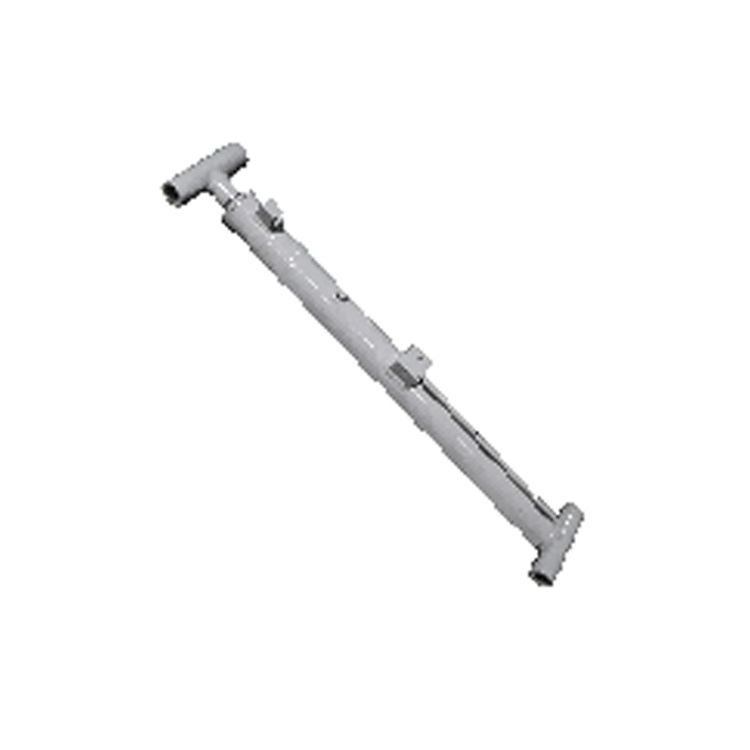
Loader hydraulic cylinders are crucial components in industrial machinery, particularly in applications involving lifting and moving heavy loads. These cylinders convert hydraulic energy into mechanical energy through the movement of a piston within a cylindrical chamber. Understanding their operation, design, and applications can significantly enhance your knowledge of hydraulic systems used in various industries.
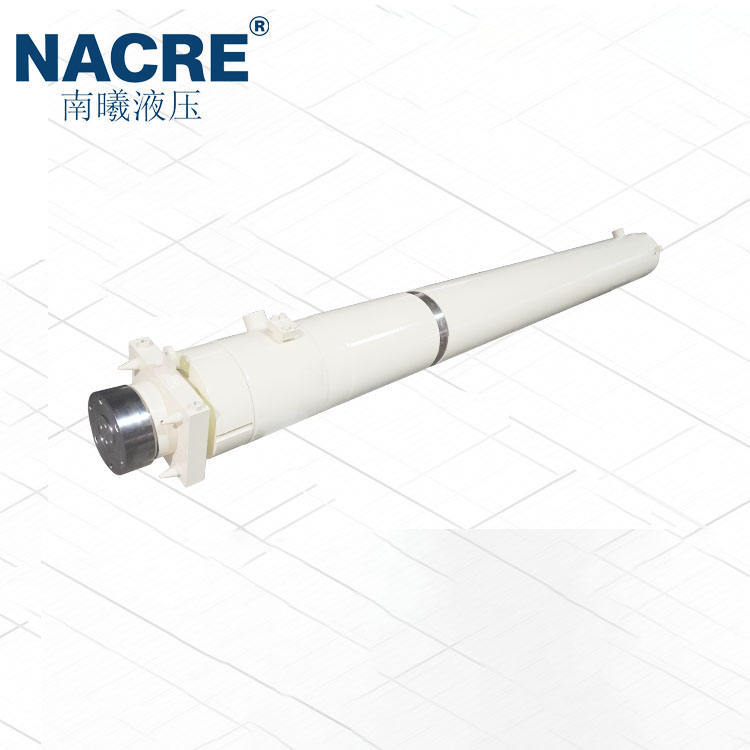
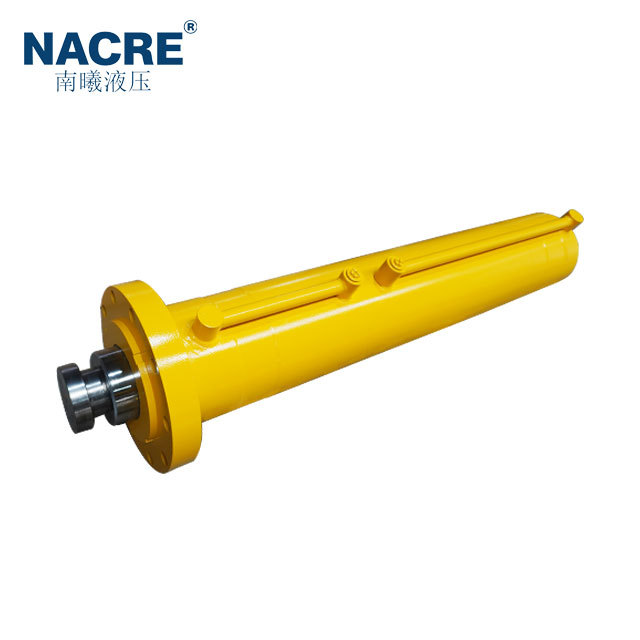
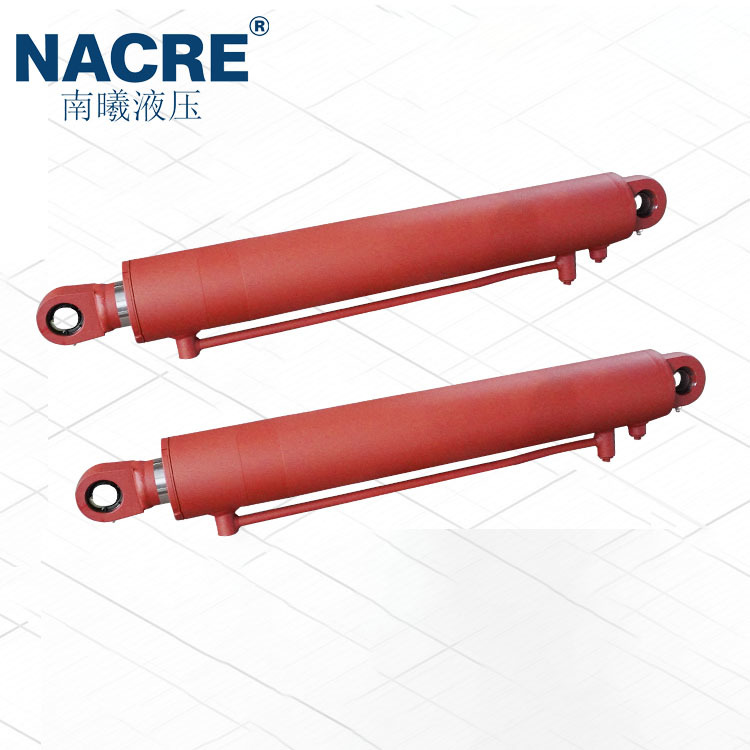
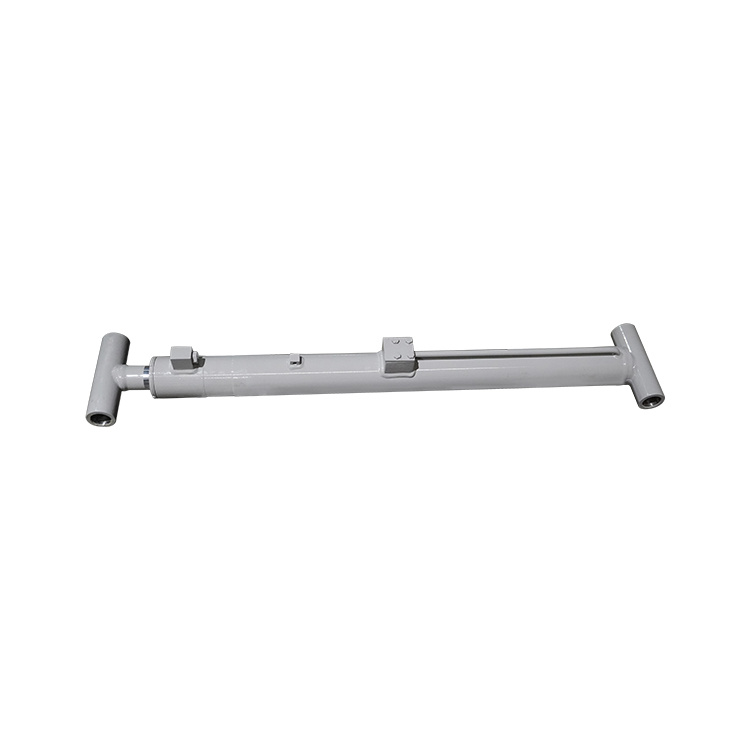
At their core, loader hydraulic cylinders consist of a few key parts: the cylinder body, piston, rod, seals, and ports. The cylinder body houses the piston and is designed to withstand high pressure generated by hydraulic fluid. The piston moves within the cylinder as hydraulic fluid is pumped in or out, creating linear motion. The rod, attached to the piston, extends or retracts as the piston moves, thus performing work on the attached equipment, such as loaders, excavators, or forklifts.
One of the primary advantages of loader hydraulic cylinders is their ability to provide significant force in a compact size. This efficiency makes them ideal for applications where space is limited yet power is necessary. Additionally, hydraulic systems are known for their smooth and controlled movements, making them preferable for tasks that require precision, such as leveling and lifting operations.
The performance of a loader hydraulic cylinder is influenced by several factors, including the type of hydraulic fluid used, cylinder design, and maintenance practices. Regular maintenance is essential to ensure optimal performance and longevity. This includes checking for leaks, ensuring seals are intact, and monitoring fluid levels. Over time, contaminants can accumulate in the hydraulic fluid, which can lead to decreased performance and potential damage to the cylinder.
Different applications may require specific designs of loader hydraulic cylinders, such as double-acting cylinders, which can exert force in both extending and retracting motions, or single-acting cylinders, which perform work in one direction only. The choice between these types often depends on the specific requirements of the machinery and its operational environment.
In summary, loader hydraulic cylinders are integral to the functionality of various industrial machines, facilitating efficient lifting and movement of heavy objects. Their design and operational principles play a significant role in enhancing productivity in sectors that rely on heavy equipment. Understanding these components can help operators and maintenance personnel better utilize and care for their hydraulic machinery, ultimately leading to improved performance and reduced downtime.
At their core, loader hydraulic cylinders consist of a few key parts: the cylinder body, piston, rod, seals, and ports. The cylinder body houses the piston and is designed to withstand high pressure generated by hydraulic fluid. The piston moves within the cylinder as hydraulic fluid is pumped in or out, creating linear motion. The rod, attached to the piston, extends or retracts as the piston moves, thus performing work on the attached equipment, such as loaders, excavators, or forklifts.
One of the primary advantages of loader hydraulic cylinders is their ability to provide significant force in a compact size. This efficiency makes them ideal for applications where space is limited yet power is necessary. Additionally, hydraulic systems are known for their smooth and controlled movements, making them preferable for tasks that require precision, such as leveling and lifting operations.
The performance of a loader hydraulic cylinder is influenced by several factors, including the type of hydraulic fluid used, cylinder design, and maintenance practices. Regular maintenance is essential to ensure optimal performance and longevity. This includes checking for leaks, ensuring seals are intact, and monitoring fluid levels. Over time, contaminants can accumulate in the hydraulic fluid, which can lead to decreased performance and potential damage to the cylinder.
Different applications may require specific designs of loader hydraulic cylinders, such as double-acting cylinders, which can exert force in both extending and retracting motions, or single-acting cylinders, which perform work in one direction only. The choice between these types often depends on the specific requirements of the machinery and its operational environment.
In summary, loader hydraulic cylinders are integral to the functionality of various industrial machines, facilitating efficient lifting and movement of heavy objects. Their design and operational principles play a significant role in enhancing productivity in sectors that rely on heavy equipment. Understanding these components can help operators and maintenance personnel better utilize and care for their hydraulic machinery, ultimately leading to improved performance and reduced downtime.

Questions?
We are here to help.
