

Understanding Tractor Hydraulic Cylinders: Key Components for Efficient Operation
2026-03-22
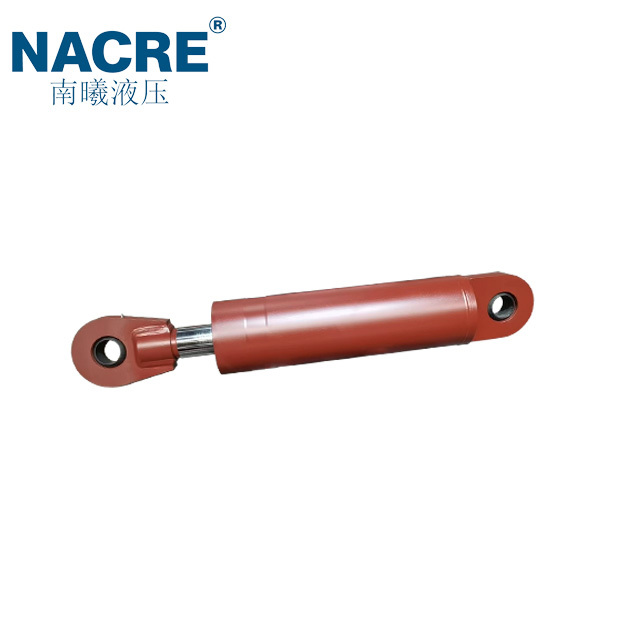
Hydraulic cylinders are vital components in the operation of tractors, playing a crucial role in various agricultural and industrial applications. These cylinders convert hydraulic energy into mechanical force, enabling tractors to perform a wide range of tasks such as lifting, pushing, and pulling heavy loads. Understanding the function and maintenance of tractor hydraulic cylinders is essential for professionals working in the field of industrial equipment and hydraulic systems.
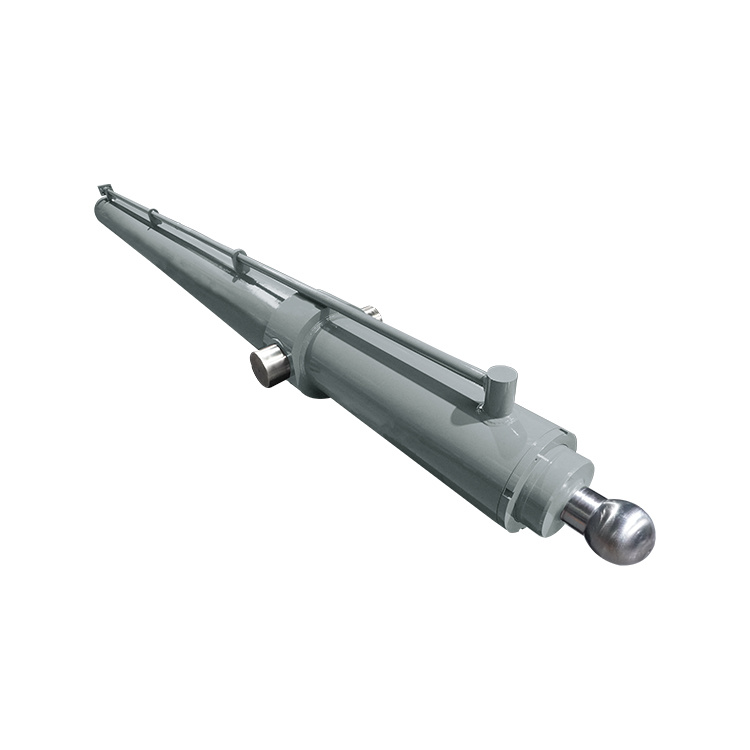
At their core, hydraulic cylinders consist of a cylindrical barrel, a piston, and end caps. When hydraulic fluid is pumped into the cylinder, it creates pressure that forces the piston to move, generating linear motion. This motion can then be harnessed to lift attachments like plows, seeders, and loaders, which are essential for efficient farming operations. Different tractors may use varying sizes and types of hydraulic cylinders, depending on the specific requirements of the tasks they are designed to perform.
There are primarily two types of hydraulic cylinders used in tractors: single-acting and double-acting cylinders. Single-acting cylinders work by allowing hydraulic fluid to enter on one side of the piston, causing it to extend. Retracting the piston typically relies on a spring mechanism or the weight of the load. In contrast, double-acting cylinders allow hydraulic fluid to act on both sides of the piston, providing the ability to extend and retract using hydraulic pressure for both actions. This dual functionality often makes double-acting cylinders more versatile for various applications.
Proper maintenance of tractor hydraulic cylinders is crucial to ensure their longevity and reliability. Regular inspections should include checking for leaks, inspecting seals, and ensuring that the hydraulic fluid is clean and at the correct level. Using the appropriate hydraulic oil, as specified by equipment manufacturers, is also vital to prevent wear and tear on the internal components of the cylinder.
In addition to routine inspections, it is essential to monitor the performance of hydraulic systems regularly. If there are signs of sluggish movement, unusual noises, or a decrease in power, these could indicate underlying issues that need immediate attention. Addressing these problems early on can prevent more extensive damage and costly repairs down the line.
In conclusion, tractor hydraulic cylinders are integral to the functionality of agricultural machinery. By understanding their components, types, and maintenance needs, professionals can ensure efficient operation and enhance the productivity of their equipment. Continual learning and adaptation in this field will contribute to more effective use of hydraulic technology in the agricultural sector.
At their core, hydraulic cylinders consist of a cylindrical barrel, a piston, and end caps. When hydraulic fluid is pumped into the cylinder, it creates pressure that forces the piston to move, generating linear motion. This motion can then be harnessed to lift attachments like plows, seeders, and loaders, which are essential for efficient farming operations. Different tractors may use varying sizes and types of hydraulic cylinders, depending on the specific requirements of the tasks they are designed to perform.
There are primarily two types of hydraulic cylinders used in tractors: single-acting and double-acting cylinders. Single-acting cylinders work by allowing hydraulic fluid to enter on one side of the piston, causing it to extend. Retracting the piston typically relies on a spring mechanism or the weight of the load. In contrast, double-acting cylinders allow hydraulic fluid to act on both sides of the piston, providing the ability to extend and retract using hydraulic pressure for both actions. This dual functionality often makes double-acting cylinders more versatile for various applications.
Proper maintenance of tractor hydraulic cylinders is crucial to ensure their longevity and reliability. Regular inspections should include checking for leaks, inspecting seals, and ensuring that the hydraulic fluid is clean and at the correct level. Using the appropriate hydraulic oil, as specified by equipment manufacturers, is also vital to prevent wear and tear on the internal components of the cylinder.
In addition to routine inspections, it is essential to monitor the performance of hydraulic systems regularly. If there are signs of sluggish movement, unusual noises, or a decrease in power, these could indicate underlying issues that need immediate attention. Addressing these problems early on can prevent more extensive damage and costly repairs down the line.
In conclusion, tractor hydraulic cylinders are integral to the functionality of agricultural machinery. By understanding their components, types, and maintenance needs, professionals can ensure efficient operation and enhance the productivity of their equipment. Continual learning and adaptation in this field will contribute to more effective use of hydraulic technology in the agricultural sector.

Questions?
We are here to help.
