

Troubleshooting Common Issues with Hydraulic Cylinders in Mining Equipment
2026-03-17
Troubleshooting Common Issues with Hydraulic Cylinders in Mining Equipment
Mining operations rely heavily on hydraulic systems to power various machinery, including excavators, drills, and haul trucks. One of the critical components of these systems is the hydraulic cylinder, which converts fluid power into mechanical force. However, like any machinery, hydraulic cylinders can experience issues that may lead to decreased performance or even complete failure. In this guide, we will explore the most common problems associated with hydraulic cylinders in mining equipment, how to troubleshoot these issues, and preventative measures to ensure optimal operation.
Table of Contents
- 1. Understanding Hydraulic Cylinders
- 2. Common Issues with Hydraulic Cylinders
- 3. Diagnosing Hydraulic Cylinder Problems
- 4. Hydraulic Cylinder Leakage Issues
- 5. Poor Performance of Hydraulic Cylinders
- 6. Noisy Operation in Hydraulic Cylinders
- 7. Preventative Maintenance for Hydraulic Cylinders
- 8. Frequently Asked Questions (FAQs)
- 9. Conclusion
1. Understanding Hydraulic Cylinders
Hydraulic cylinders are pivotal in converting hydraulic energy into linear motion. They operate based on Pascal's Law, which states that pressure applied to a confined fluid is transmitted undiminished in all directions. This principle allows hydraulic cylinders to generate significant force with minimal input energy, making them indispensable in heavy machinery.
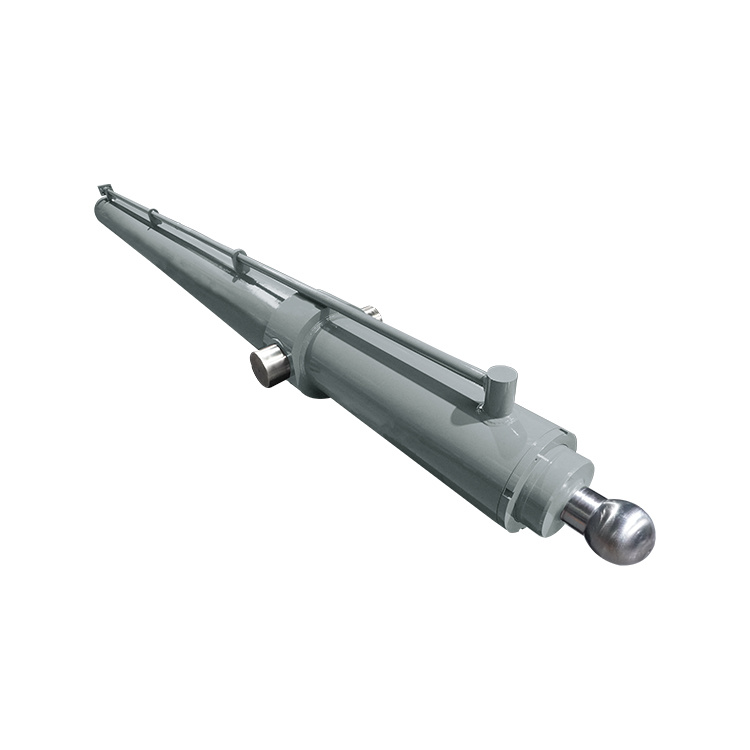
Each hydraulic cylinder consists of several components, including the cylinder barrel, piston, rod, seals, and end caps. Understanding these components is crucial for effective troubleshooting and maintenance. The hydraulic fluid, usually oil, lubricates and seals the parts, ensuring smooth operation.
2. Common Issues with Hydraulic Cylinders
Various issues can arise with hydraulic cylinders in mining equipment, impacting their efficiency and reliability. Some of the most common problems include:
- **Fluid Leaks**: Often caused by worn-out seals or damaged fittings.
- **Reduced Force Output**: Can stem from internal wear or issues with the hydraulic pump.
- **Cylinders Sticking**: Usually due to corrosion or contamination in the hydraulic fluid.
- **Noisy Operation**: Indicates potential cavitation or air in the hydraulic system.
Understanding these common issues is the first step toward effective troubleshooting.
3. Diagnosing Hydraulic Cylinder Problems
To effectively troubleshoot hydraulic cylinder issues, a systematic diagnosis is essential. Here are key steps to consider:
1. **Inspect the Hydraulic Fluid**: Check for contamination, discoloration, or unusual odor. Dirty or degraded fluid can lead to performance issues.
2. **Examine Seals and Fittings**: Look for signs of wear, cracks, or leaks around seals and fittings. Replacing these can often resolve leakage problems.
3. **Test Pressure Levels**: Use a pressure gauge to ensure the hydraulic system is operating within recommended levels. Low pressure may indicate pump issues or leaks.
4. **Listen for Unusual Noises**: Pay close attention to any abnormal sounds during operation, such as grinding or popping, which could indicate mechanical failure.
By following these diagnostic steps, one can pinpoint the underlying issues affecting hydraulic cylinders in mining equipment.
4. Hydraulic Cylinder Leakage Issues
Hydraulic fluid leaks are one of the most prevalent issues faced in mining equipment. Leakage can occur from several points, including:
- **Piston Rod Seals**: Over time, seals can wear out, leading to fluid leaks. Regular inspection and replacement of seals can prevent this.
- **End Caps**: Similar to rod seals, end caps can become loose or damaged, allowing fluid to escape.
- **Hoses and Fittings**: Cracked or improperly connected hoses and fittings can also lead to significant leaks.
To troubleshoot leakage issues, closely inspect these areas, and carry out necessary repairs or replacements. Implementing regular maintenance checks will significantly reduce the likelihood of leaks.
5. Poor Performance of Hydraulic Cylinders
Poor performance in hydraulic cylinders can manifest as reduced speed, erratic motion, or inadequate force output. Common causes include:
- **Contamination of Hydraulic Fluid**: Dirt, debris, or water in the fluid can impede performance.
- **Worn Components**: Cylinders may suffer from wear and tear, affecting their efficiency.
- **Improper Sizing**: Using a hydraulic cylinder that is not appropriately sized for the application can lead to subpar performance.
To address these issues, regularly change the hydraulic fluid and ensure that all components are in optimal condition. If performance issues persist, consider consulting a hydraulic specialist to determine if component replacement is necessary.
6. Noisy Operation in Hydraulic Cylinders
Noisy operation can be a sign of several problems within hydraulic cylinders. Common causes of noise include:
- **Cavitation**: This occurs when the hydraulic fluid vaporizes and leads to shock waves that can damage cylinder components.
- **Air in the System**: Entrapped air can create a spongy feel and cause abnormal noise during operation.
- **Mechanical Failure**: Worn bearings or misalignment can also contribute to noise issues.
To troubleshoot noisy operation, first check the hydraulic fluid levels and ensure proper bleeding of the system to remove air. If the problem continues, inspecting the hydraulic cylinder for wear and alignment issues is essential.
7. Preventative Maintenance for Hydraulic Cylinders
Effective maintenance practices can significantly reduce the likelihood of encountering hydraulic cylinder issues. Here are essential preventative measures:
- **Regular Inspections**: Conduct routine checks on seals, hoses, and fittings for wear and damage.
- **Hydraulic Fluid Management**: Maintain clean, high-quality hydraulic fluid, and replace it according to the manufacturer’s recommendations.
- **System Training**: Ensure operators are trained in proper handling and operation of hydraulic machinery to avoid misuse that can lead to damage.
- **Lubrication**: Regularly lubricate all moving parts to minimize friction and wear.
Implementing these preventative measures can extend the lifespan of hydraulic cylinders and improve overall equipment reliability.
8. Frequently Asked Questions (FAQs)
What are the signs of a failing hydraulic cylinder?
Signs include fluid leaks, reduced force or speed, unusual noises, and cylinders that do not return to their original position.
How often should hydraulic cylinders be inspected?
It is advisable to inspect hydraulic cylinders at least every six months or more frequently in high-use environments.
Can I repair a hydraulic cylinder myself?
While minor issues like seal replacements can be addressed by skilled personnel, significant problems should be handled by a professional to ensure safety and proper repair.
What type of hydraulic fluid should I use?
Always refer to the equipment manufacturer’s specifications for hydraulic fluid type to ensure compatibility and performance.
How can I prevent contamination in hydraulic systems?
Use high-quality filters, ensure proper sealing of all components, and regularly check and change the hydraulic fluid as needed.
9. Conclusion
Troubleshooting common issues with hydraulic cylinders in mining equipment is crucial for maintaining optimal performance and longevity of machinery. By understanding the typical problems, employing effective diagnostic techniques, and implementing robust preventative maintenance practices, operators can minimize downtime and enhance productivity. A well-maintained hydraulic system not only ensures safety and efficiency but also contributes to the overall success of mining operations. Regular attention to hydraulic cylinders will pay dividends in the long run, preventing costly repairs and ensuring smooth operation in challenging environments.


Questions?
We are here to help.
