

Hydraulic Power: Unveiling the Science Behind Excavator Cylinder Operation
2026-03-27

Hydraulic Power: The Science Behind Excavator Cylinder Operation
Table of Contents
1. Introduction to Hydraulic Power in Excavators
2. Understanding Hydraulic Cylinders
2.1 The Anatomy of a Hydraulic Cylinder
2.2 Types of Hydraulic Cylinders Used in Excavators
3. The Mechanics of Hydraulic Power
3.1 Pascal's Principle: The Foundation of Hydraulics
3.2 Fluid Dynamics in Hydraulic Systems
4. The Role of Excavator Cylinders in Heavy Machinery
4.1 Key Functions of Excavator Cylinders
4.2 Advantages of Hydraulic Cylinders in Excavation
5. Maintenance of Hydraulic Systems in Excavators
5.1 Common Issues and Troubleshooting
5.2 Best Practices for Maintaining Hydraulic Cylinders
6. Future Trends in Hydraulic Technology
7. FAQs about Hydraulic Power and Excavator Cylinders
8. Conclusion
1. Introduction to Hydraulic Power in Excavators
Hydraulic power is a critical aspect of modern excavators, allowing these powerful machines to perform heavy-duty tasks with precision and efficiency. Understanding the science behind hydraulic systems is essential for anyone involved in the construction and heavy machinery industries. This article explores how hydraulic cylinders operate within excavators, their components, and the advantages they provide.
2. Understanding Hydraulic Cylinders
Hydraulic cylinders are the heart of hydraulic systems in excavators. They convert hydraulic energy into mechanical energy, enabling various movements.
2.1 The Anatomy of a Hydraulic Cylinder
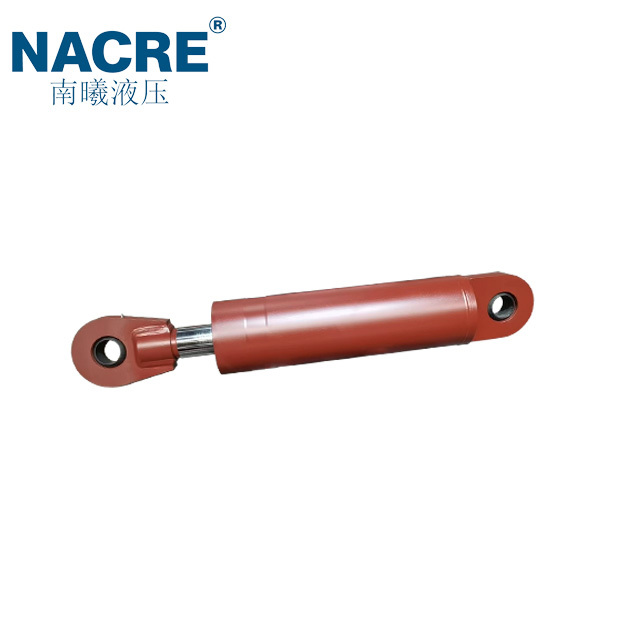
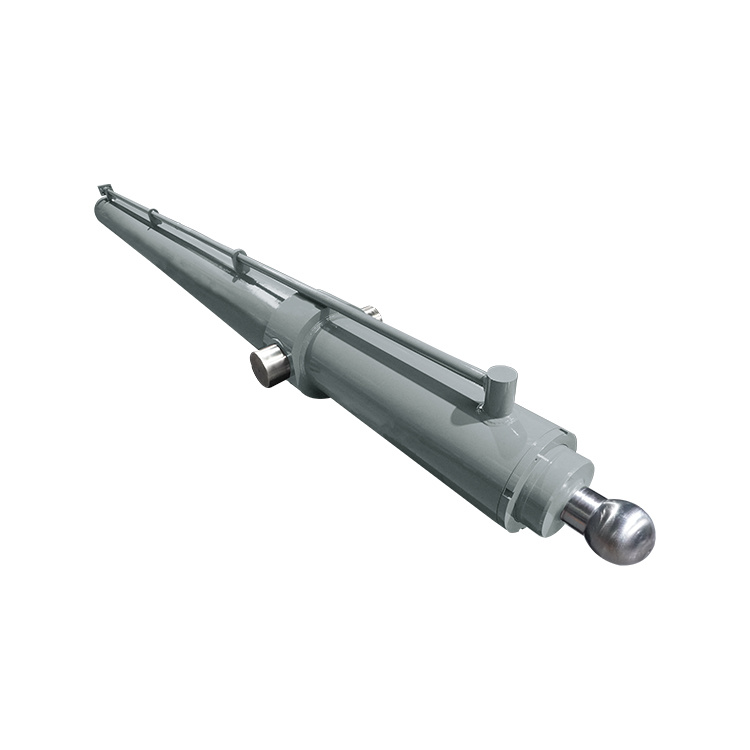
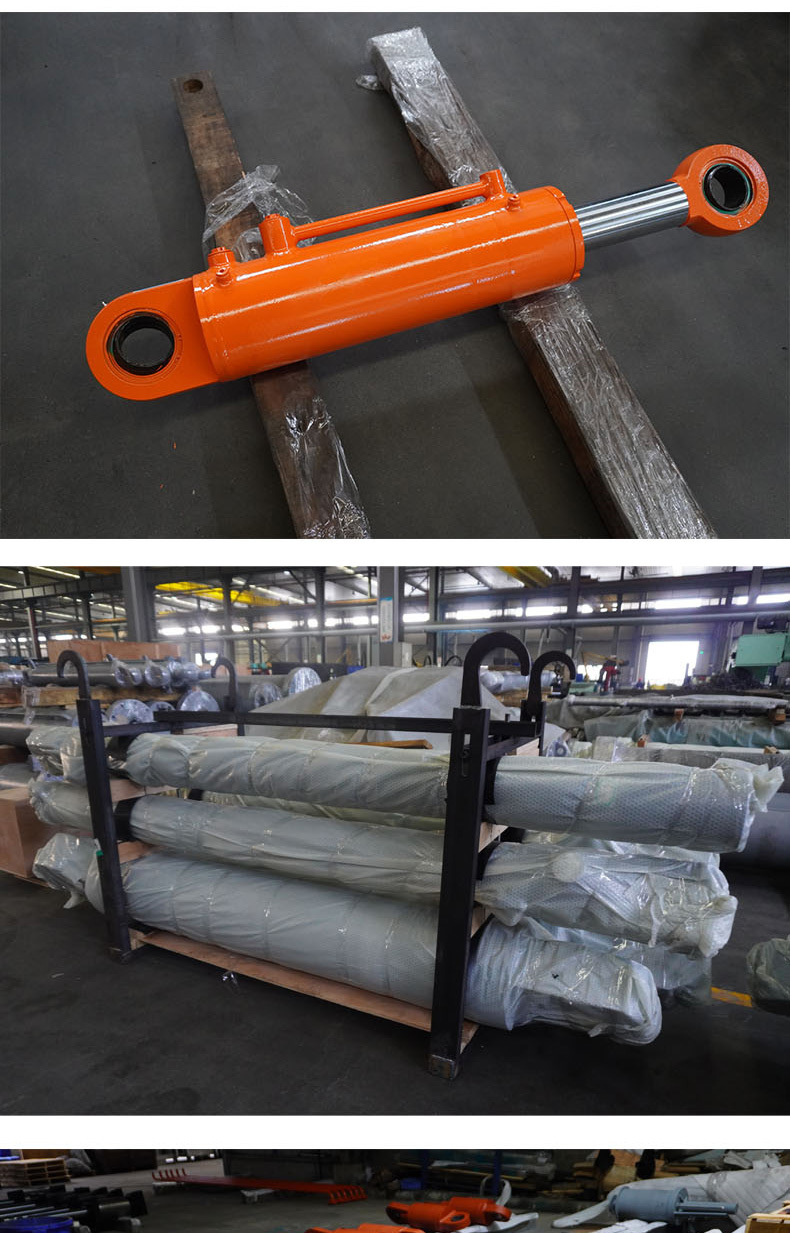
A hydraulic cylinder consists of several key components: the cylinder barrel, piston, piston rod, seals, and ports. The cylinder barrel houses the piston and hydraulic fluid. The piston rod extends outside the cylinder to connect with the excavator's arm or bucket.
2.2 Types of Hydraulic Cylinders Used in Excavators
Excavators utilize different types of hydraulic cylinders, including single-acting and double-acting cylinders. Single-acting cylinders use hydraulic pressure to extend but rely on gravity or external forces to retract. In contrast, double-acting cylinders can extend and retract using hydraulic pressure, providing greater control and efficiency.
3. The Mechanics of Hydraulic Power
Understanding the principles that govern hydraulic systems is crucial for effective use and maintenance.
3.1 Pascal's Principle: The Foundation of Hydraulics
Pascal's principle states that pressure applied to an enclosed fluid is transmitted undiminished throughout the fluid. This principle is the foundation of hydraulic systems, enabling force multiplication and precise control over heavy machinery.
3.2 Fluid Dynamics in Hydraulic Systems
The behavior of fluids under pressure is essential in hydraulic systems. The design of hydraulic circuits and the selection of hydraulic fluids impact performance, efficiency, and safety in excavator operation.
4. The Role of Excavator Cylinders in Heavy Machinery
Excavator cylinders are pivotal in executing various tasks, from digging to lifting heavy materials.
4.1 Key Functions of Excavator Cylinders
Excavator cylinders perform multiple functions, including digging, lifting, and moving materials. They provide the necessary force and control required for precision work in construction sites.
4.2 Advantages of Hydraulic Cylinders in Excavation
Hydraulic cylinders offer several advantages, such as power density, controllability, and versatility. They enable excavators to operate efficiently in various conditions, making them indispensable in modern construction.
5. Maintenance of Hydraulic Systems in Excavators
Ensuring the longevity and efficiency of hydraulic systems is crucial for optimal excavator performance.
5.1 Common Issues and Troubleshooting
Common hydraulic issues include leaks, overheating, and loss of power. Identifying these problems early can prevent costly repairs and downtime.
5.2 Best Practices for Maintaining Hydraulic Cylinders
Regular maintenance practices, such as checking fluid levels, replacing filters, and inspecting seals, can prolong the life of hydraulic cylinders and ensure their reliable operation.
6. Future Trends in Hydraulic Technology
The hydraulic industry is constantly evolving. Innovations such as smart hydraulic systems and eco-friendly hydraulic fluids are shaping the future of excavator technology. These advancements will improve efficiency and reduce the environmental impact of heavy machinery.
7. FAQs about Hydraulic Power and Excavator Cylinders
**Q1: What is the primary function of hydraulic cylinders in excavators?**
A hydraulic cylinder converts hydraulic energy into mechanical energy to perform various tasks such as lifting, pushing, and digging.
**Q2: How do I know if my hydraulic cylinder is failing?**
Signs of failure include fluid leaks, loss of pressure, unusual noises, or inconsistent movements. Regular inspections can help identify issues early.
**Q3: What hydraulic fluid is best for excavator cylinders?**
The best hydraulic fluid depends on the manufacturer's specifications, but high-quality hydraulic oils that meet industry standards are recommended.
**Q4: Can I repair hydraulic cylinders myself?**
While minor issues can sometimes be fixed, significant repairs should be handled by professionals to ensure safety and compliance with industry standards.
**Q5: What maintenance tasks should I perform regularly on hydraulic cylinders?**
Regularly check fluid levels, inspect seals for wear, replace filters, and perform visual inspections for leaks or damage to the cylinders.
8. Conclusion
In summary, hydraulic power is essential in excavator operation, with hydraulic cylinders playing a pivotal role in the machinery's functionality. Understanding the science behind these systems offers invaluable insights into their operation, maintenance, and future developments. As technology continues to advance, staying informed and proactive about hydraulic systems will ensure optimal performance and efficiency in the construction industry.
Previous Page
Previous Page
Questions?
We are here to help.
