

Key Features to Look for in Tower Crane Hydraulic Cylinders
2026-04-26
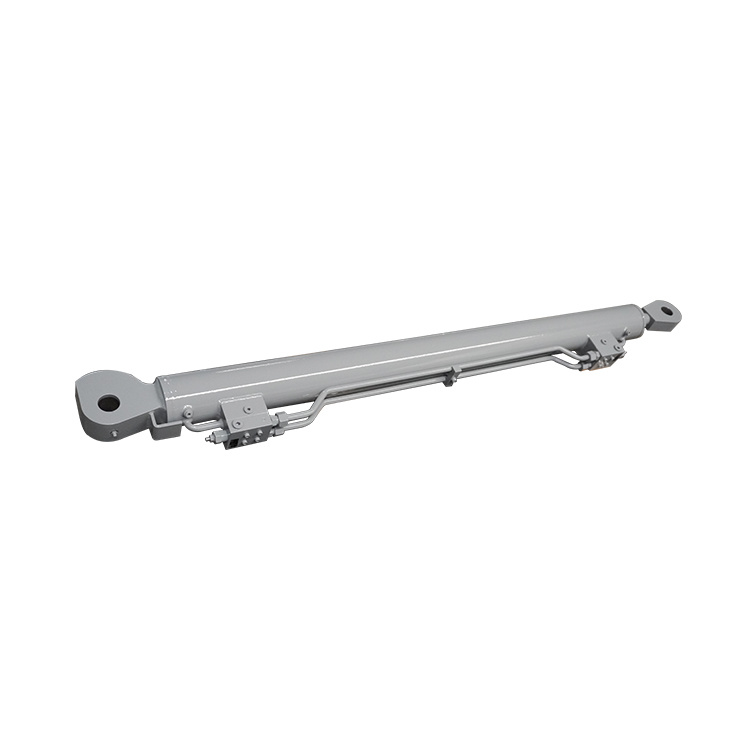
Key Features to Look for in Tower Crane Hydraulic Cylinders
Understanding the Role of Hydraulic Cylinders in Tower Cranes
Tower cranes are indispensable in the construction industry, offering height and reach that other cranes cannot match. Central to their operation are hydraulic cylinders, which play a crucial role in lifting and lowering heavy loads. These cylinders convert hydraulic energy into mechanical energy, allowing tower cranes to function smoothly and efficiently.
When selecting hydraulic cylinders for tower cranes, it is vital to consider several key features that contribute to performance, safety, and longevity. In this article, we will explore these features in detail, providing insights that are essential for making informed purchasing decisions.
Critical Features of Tower Crane Hydraulic Cylinders
1. Load Capacity
One of the first factors to consider when choosing hydraulic cylinders for tower cranes is the load capacity. The hydraulic cylinder must be capable of handling the maximum load that the crane is expected to lift.
**Key Considerations:**
- Assess the maximum lifting capacity of your tower crane and choose hydraulic cylinders that exceed this requirement.
- Understand the working pressure of the hydraulic system and ensure that the cylinders are rated for this pressure.
2. Stroke Length
The stroke length of a hydraulic cylinder dictates how far the piston can move within the cylinder. This measurement directly impacts the lifting height of the crane.
**Key Considerations:**
- Calculate the required stroke length based on the operational needs of your crane.
- Ensure that the chosen cylinder’s stroke length aligns with your project specifications.
3. Construction Material
The materials used in the fabrication of hydraulic cylinders greatly influence their durability and overall performance.
**Key Considerations:**
- Look for cylinders made from high-quality steel or aluminum alloys, which offer a balance of strength and weight.
- Evaluate the resistance of the material to corrosion and wear, especially if the crane operates in harsh environments.
4. Seal Design and Quality
Seals are critical components that prevent hydraulic fluid leakage and contamination. A well-designed seal increases the efficiency and lifespan of hydraulic cylinders.
**Key Considerations:**
- Opt for cylinders with high-quality seals made from durable materials that can withstand pressure and temperature fluctuations.
- Consider double-sealed designs for added protection against leakage.
5. Piston Design
The design of the piston significantly affects the performance and efficiency of the hydraulic cylinder. A well-designed piston ensures smooth operation and reduces internal wear.
**Key Considerations:**
- Evaluate the piston’s surface finish and size, as these factors influence sealing performance and friction.
- Look for designs that minimize turbulence and provide effective fluid flow.
6. Mounting Style
Mounting style impacts the installation and overall functionality of hydraulic cylinders in tower cranes.
**Key Considerations:**
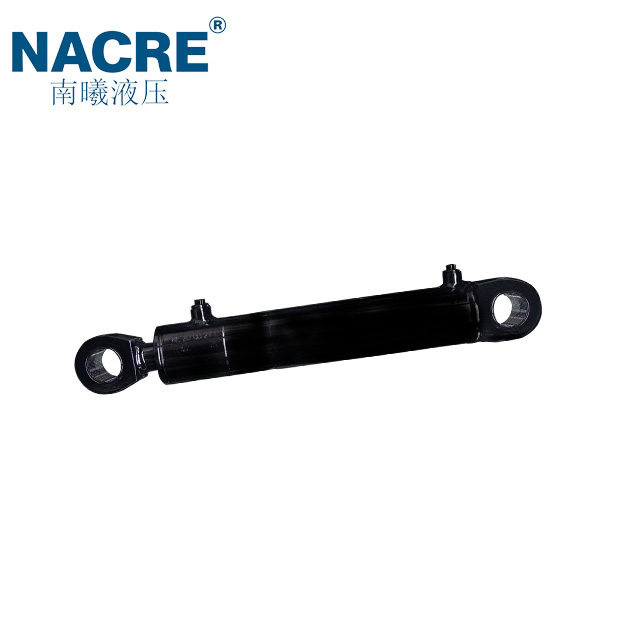
- Determine the mounting style needed for your application, such as pin-eye or clevis mounts.
- Ensure compatibility with the crane design to facilitate easy installation.
7. Temperature Resistance
Hydraulic cylinders operate in various temperature conditions, which can affect their performance and lifespan.
**Key Considerations:**
- Assess the temperature range within which the hydraulic system will operate.
- Choose cylinders that can endure extreme temperatures without compromising performance.
8. Maintenance and Serviceability
Regular maintenance is essential to the longevity of hydraulic cylinders. Select cylinders that are easy to maintain and service.
**Key Considerations:**
- Look for features that simplify maintenance, such as removable end caps for easy access to internal components.
- Consider cylinders with service indicators that alert operators to potential issues before they escalate.
Evaluating the Performance of Hydraulic Cylinders
1. Testing and Quality Assurance
Before making a purchase, it's crucial to evaluate the testing and quality assurance processes employed by manufacturers.
**Key Considerations:**
- Investigate whether cylinders undergo extensive testing for pressure, performance, and durability.
- Seek manufacturers that provide certifications or quality guarantees for their products.
2. Warranty and After-Sales Support
A robust warranty and reliable after-sales support can offer peace of mind for investments in hydraulic cylinders.
**Key Considerations:**
- Look for extended warranties that cover defects and performance issues.
- Assess the availability of customer support for troubleshooting and replacement parts.
Common Issues and Solutions for Tower Crane Hydraulic Cylinders
1. Leakage Problems
Leakage is one of the most common issues faced by hydraulic cylinders. It can lead to decreased efficiency and safety hazards.
**Solutions:**
- Regularly inspect seals and fittings for wear and replace them as needed.
- Maintain proper hydraulic fluid levels and monitor for signs of contamination.
2. Reduced Performance
If a hydraulic cylinder is not performing as expected, it could signify internal wear or damage.
**Solutions:**
- Conduct routine maintenance to identify any wear on internal components.
- Replace any damaged parts promptly to restore performance.
3. Temperature-Related Issues
Operating outside the recommended temperature range can cause significant problems for hydraulic cylinders.
**Solutions:**
- Ensure that the hydraulic system is equipped with appropriate cooling systems.
- Monitor temperature levels and select cylinders rated for extreme conditions.
Conclusion
Selecting the right hydraulic cylinders for tower cranes is crucial for ensuring operational efficiency, safety, and longevity. By understanding the key features to consider—such as load capacity, stroke length, construction material, seal design, and maintenance requirements—you can make informed decisions that enhance your crane operations. Regular maintenance and quality assurance further contribute to the reliability of hydraulic cylinders, minimizing downtime and maximizing productivity. Investing time in evaluating these critical features will ultimately lead to better performance and safety on the job site.
FAQs
1. What is the average lifespan of tower crane hydraulic cylinders?
The lifespan of hydraulic cylinders can vary based on usage, maintenance, and operating conditions, but they typically last between 10 to 20 years with proper care.
2. How often should hydraulic cylinders be inspected?
Hydraulic cylinders should be inspected regularly, ideally every three to six months, depending on the frequency of use and operating conditions.
3. Can I repair hydraulic cylinders, or should I replace them?
Many hydraulic cylinders can be repaired, especially if they have minor issues. However, significant damage or wear may necessitate a replacement.
4. What maintenance is required for hydraulic cylinders?
Regular maintenance includes checking for leaks, ensuring proper fluid levels, inspecting seals, and cleaning the external surfaces to prevent contamination.
5. How do I choose the right size hydraulic cylinder for my tower crane?
Determine the required stroke length and load capacity based on your crane's specifications, and consult with a manufacturer or expert if needed to ensure compatibility.

Questions?
We are here to help.
