

Understanding Pile Machinery Hydraulic Cylinders: Key Insights for Professionals
2026-05-01
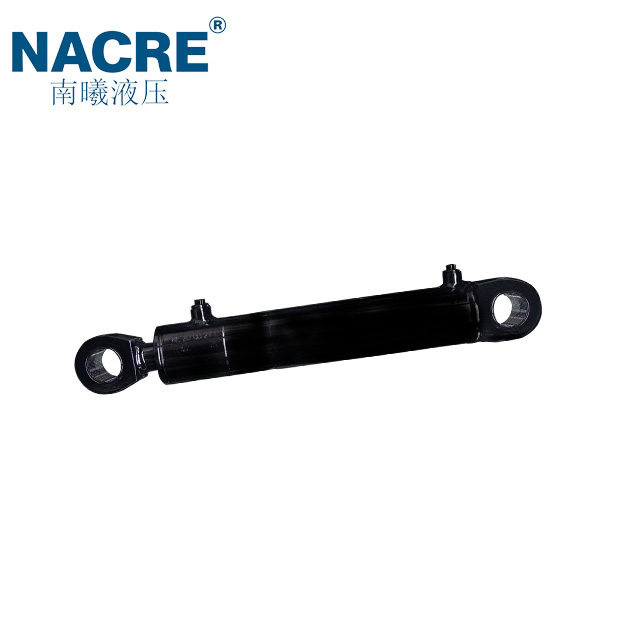
Hydraulic cylinders are vital components in pile machinery, playing a crucial role in various industrial applications, particularly in construction and civil engineering. These devices convert hydraulic energy into mechanical energy, allowing for powerful linear motion. When it comes to pile machinery, hydraulic cylinders are responsible for driving piles into the ground, a process essential for the stability and support of structures such as buildings, bridges, and other infrastructures.
The operation of pile machinery hydraulic cylinders is based on Pascal's principle, which states that pressure applied to a confined fluid is transmitted undiminished throughout the fluid. This principle enables hydraulic cylinders to exert a significant force from a relatively small power source. The efficiency of hydraulic systems makes them ideal for heavy-duty applications, ensuring that operators can achieve the required force to penetrate even the most challenging soil conditions.
In terms of design, hydraulic cylinders utilized in pile machinery are typically engineered to withstand extreme conditions. They are built with high-quality materials that can tolerate corrosive environments, high pressures, and heavy loads. This durability is essential, as pile driving often involves repetitive cycles and substantial impact forces. Regular maintenance of these hydraulic cylinders is critical to ensure their longevity and reliability, which, in turn, reduces downtime and maintenance costs.
Moreover, advancements in technology have led to the development of more efficient hydraulic systems. Many modern pile machinery hydraulic cylinders are equipped with features such as advanced seal designs and integrated sensors. These innovations improve performance by minimizing leakage, enhancing responsiveness, and providing operators with real-time data regarding the cylinder's performance. Such features not only optimize efficiency but also contribute to safer operating conditions on construction sites.
In conclusion, understanding the function and significance of pile machinery hydraulic cylinders is essential for professionals working in the industrial equipment sector. Their ability to deliver powerful, precise motion makes them indispensable in pile driving applications. Familiarity with their design, operation, and the latest technological advancements can lead to better decision-making and improved project outcomes. As demands for infrastructure continue to grow, the role of hydraulic cylinders in pile machinery will undoubtedly remain pivotal in ensuring the integrity and longevity of constructed assets.
The operation of pile machinery hydraulic cylinders is based on Pascal's principle, which states that pressure applied to a confined fluid is transmitted undiminished throughout the fluid. This principle enables hydraulic cylinders to exert a significant force from a relatively small power source. The efficiency of hydraulic systems makes them ideal for heavy-duty applications, ensuring that operators can achieve the required force to penetrate even the most challenging soil conditions.
In terms of design, hydraulic cylinders utilized in pile machinery are typically engineered to withstand extreme conditions. They are built with high-quality materials that can tolerate corrosive environments, high pressures, and heavy loads. This durability is essential, as pile driving often involves repetitive cycles and substantial impact forces. Regular maintenance of these hydraulic cylinders is critical to ensure their longevity and reliability, which, in turn, reduces downtime and maintenance costs.
Moreover, advancements in technology have led to the development of more efficient hydraulic systems. Many modern pile machinery hydraulic cylinders are equipped with features such as advanced seal designs and integrated sensors. These innovations improve performance by minimizing leakage, enhancing responsiveness, and providing operators with real-time data regarding the cylinder's performance. Such features not only optimize efficiency but also contribute to safer operating conditions on construction sites.
In conclusion, understanding the function and significance of pile machinery hydraulic cylinders is essential for professionals working in the industrial equipment sector. Their ability to deliver powerful, precise motion makes them indispensable in pile driving applications. Familiarity with their design, operation, and the latest technological advancements can lead to better decision-making and improved project outcomes. As demands for infrastructure continue to grow, the role of hydraulic cylinders in pile machinery will undoubtedly remain pivotal in ensuring the integrity and longevity of constructed assets.


Questions?
We are here to help.
