Key Factors Affecting the Performance of Maritime Port Hydraulic Cylinders
2026-05-06
Key Factors Affecting the Performance of Maritime Port Hydraulic Cylinders
Maritime ports serve as vital hubs for global trade, and the performance of hydraulic systems within these logistics centers is paramount. Among these systems, hydraulic cylinders play a crucial role in facilitating various operations, from loading and unloading cargo to adjusting dock equipment. This article delves into the key factors that significantly impact the performance of **maritime port hydraulic cylinders**.
Understanding Hydraulic Cylinders and Their Role in Port Operations
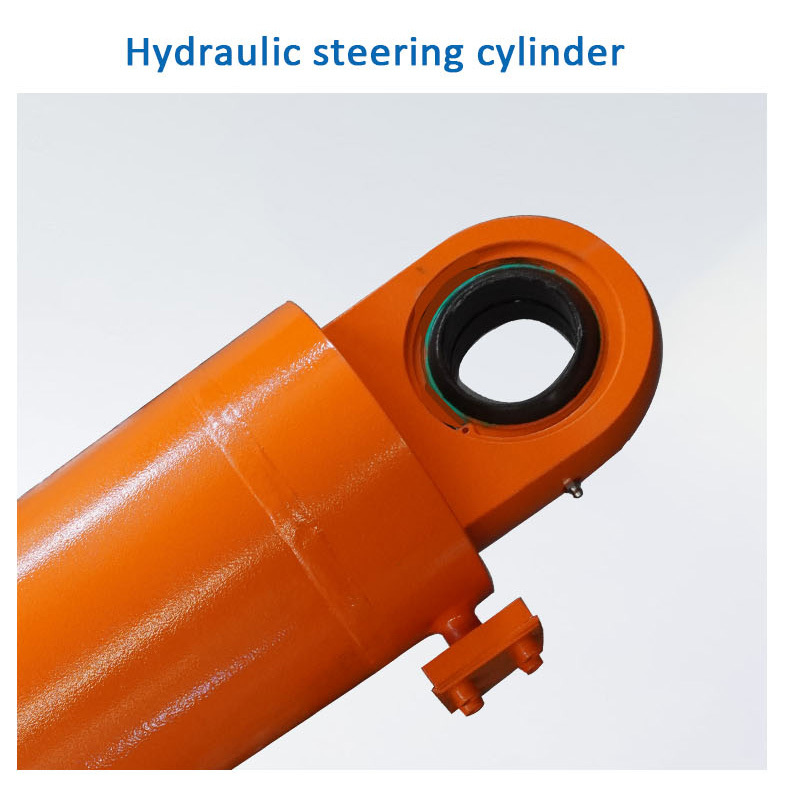
Hydraulic cylinders are mechanical devices that convert hydraulic energy into linear motion. In maritime ports, these cylinders are essential for various applications, including:
- **Container handling**
- **Lifting and lowering equipment**
- **Dock leveling**
- **Gate operations**
The effectiveness of these operations largely depends on the performance of the hydraulic cylinders employed.
Design Specifications and Engineering Quality
The design and engineering of hydraulic cylinders are foundational to their performance. Several aspects to consider include:
1. Material Selection
The materials used in constructing hydraulic cylinders profoundly affect their durability and resistance to wear. High-quality steel alloys or special composite materials can enhance strength and corrosion resistance, crucial for maritime environments.
2. Seal Quality
Seals are integral to preventing hydraulic fluid leaks and maintaining pressure. The choice of seal materials and design can impact the longevity and reliability of the hydraulic cylinder. Advanced sealing technologies can significantly reduce maintenance frequency and enhance overall performance.
3. Cylinder Configuration
The type of cylinder configuration—such as single-acting versus double-acting—affects the function and efficiency of hydraulic operations. Understanding the specific needs of port applications can help engineers select the best configuration.
Hydraulic Fluid Properties
The hydraulic fluid used in systems can significantly influence performance.
1. Viscosity
Viscosity is a critical property affecting how easily fluid flows within the cylinder. Maintaining optimal fluid viscosity ensures smooth operation and reduces wear on components.
2. Temperature Range
Hydraulic fluids operate effectively within specific temperature ranges. Fluctuations in temperature can cause changes in viscosity, leading to reduced performance. It's essential to select fluids that can withstand the environmental conditions typical of maritime port operations.
Maintenance Practices
Regular maintenance is vital to ensuring the longevity and performance of hydraulic cylinders.
1. Scheduled Inspections
Implementing a schedule for inspections helps identify potential issues before they escalate into significant problems. Inspecting seals, connections, and fluid levels can prevent unexpected breakdowns.
2. Fluid Replacement
Regularly replacing hydraulic fluid ensures that the system operates at peak performance. Contaminated fluid can lead to component degradation and reduced efficiency.
3. Component Replacement
Components such as seals and bearings are subject to wear and tear. Timely replacement of these parts is essential to maintain the cylinder's performance and reliability.
Environmental Factors
The maritime environment presents unique challenges that can affect hydraulic cylinder performance.
1. Corrosive Elements
Saline water and humidity can lead to corrosion of cylinder components. Employing corrosion-resistant materials and coatings can mitigate this issue and extend the lifespan of hydraulic cylinders.
2. Temperature Variations
Extreme temperature changes can affect both hydraulic fluid and cylinder materials. Designing cylinders that can withstand these variations is crucial for reliable performance.
Technological Advancements in Hydraulic Systems
Innovation continues to shape the hydraulic industry, leading to enhanced performance.
1. Smart Hydraulic Systems
Integration of IoT technology into hydraulic systems allows for real-time monitoring of performance metrics such as pressure, temperature, and fluid levels. This data can be invaluable for predictive maintenance and improving overall system efficiency.
2. Advanced Control Systems
Modern control systems provide better precision in hydraulic operations. Utilizing proportional control valves can enhance responsiveness and efficiency, allowing for smoother operations in busy port environments.
3. Energy Efficiency Technologies
Adopting energy-efficient hydraulic systems reduces operational costs and environmental impact. Utilizing variable speed pumps and energy recovery systems can significantly enhance the sustainability of hydraulic operations in ports.
Performance Metrics of Hydraulic Cylinders
Understanding how to measure the performance of maritime port hydraulic cylinders is crucial for operators.
1. Load Capability
Evaluating the load capacity of hydraulic cylinders ensures that they can handle the required weights during operations. Regular assessments help avoid overloading, which can lead to catastrophic failures.
2. Cycle Time
The cycle time, or the time taken for a complete operation, is a critical metric. Reducing cycle time through efficient design and technology improves productivity and throughput at ports.
3. Reliability and Uptime
Reliability is measured by the frequency of failures or maintenance needs. A dependable hydraulic cylinder will have minimal downtime, ensuring smooth port operations.
Best Practices for Enhancing the Performance of Maritime Port Hydraulic Cylinders
To optimize hydraulic cylinder performance, we recommend the following best practices:
1. Continuous Training for Operators
Training staff on the proper operation and maintenance of hydraulic systems ensures that they are used effectively and safely. Knowledgeable operators can identify potential issues early and conduct minor repairs.
2. Implementing Predictive Maintenance Strategies
Utilizing data analytics and monitoring technologies can help predict when maintenance is required, rather than adhering strictly to a calendar schedule. This approach reduces unexpected failures and extends equipment life.
3. Investing in Quality Equipment
Prioritizing quality over cost when selecting hydraulic components can lead to better long-term performance and lower total cost of ownership.
FAQs about Maritime Port Hydraulic Cylinders
1. What are the main applications of hydraulic cylinders in maritime ports?
Hydraulic cylinders are primarily used for lifting, lowering, and moving cargo, as well as operating dock equipment such as gates and cranes.
2. How often should hydraulic fluid be changed?
Hydraulic fluid should be changed based on manufacturer recommendations, typically every 1,500 to 3,000 operating hours, or when contamination is detected.
3. What are the signs of hydraulic cylinder failure?
Signs of failure include unusual noises, slow operation, fluid leaks, and visible corrosion or damage.
4. How can I increase the lifespan of hydraulic cylinders?
Regular maintenance, using high-quality materials, and ensuring proper operation can significantly extend the life of hydraulic cylinders.
5. What environmental factors impact hydraulic cylinder performance?
Corrosive elements, temperature fluctuations, and humidity levels can all adversely affect the performance and longevity of hydraulic cylinders.
Conclusion
The performance of **maritime port hydraulic cylinders** is influenced by a myriad of factors, from design and materials to environmental conditions and maintenance practices. By understanding these factors and implementing best practices, port operators can enhance the efficiency, reliability, and durability of their hydraulic systems. Investing in quality components, leveraging technology, and maintaining a proactive approach to maintenance are essential steps toward achieving optimal hydraulic cylinder performance in the demanding environment of maritime ports.
Previous Page
Previous Page
Questions?
We are here to help.
