

Signs Your Tractor Hydraulic Cylinder Needs Replacement: Comprehensive Guide for Operators
2026-05-16
Signs Your Tractor Hydraulic Cylinder Needs Replacement
Introduction to Tractor Hydraulic Cylinders
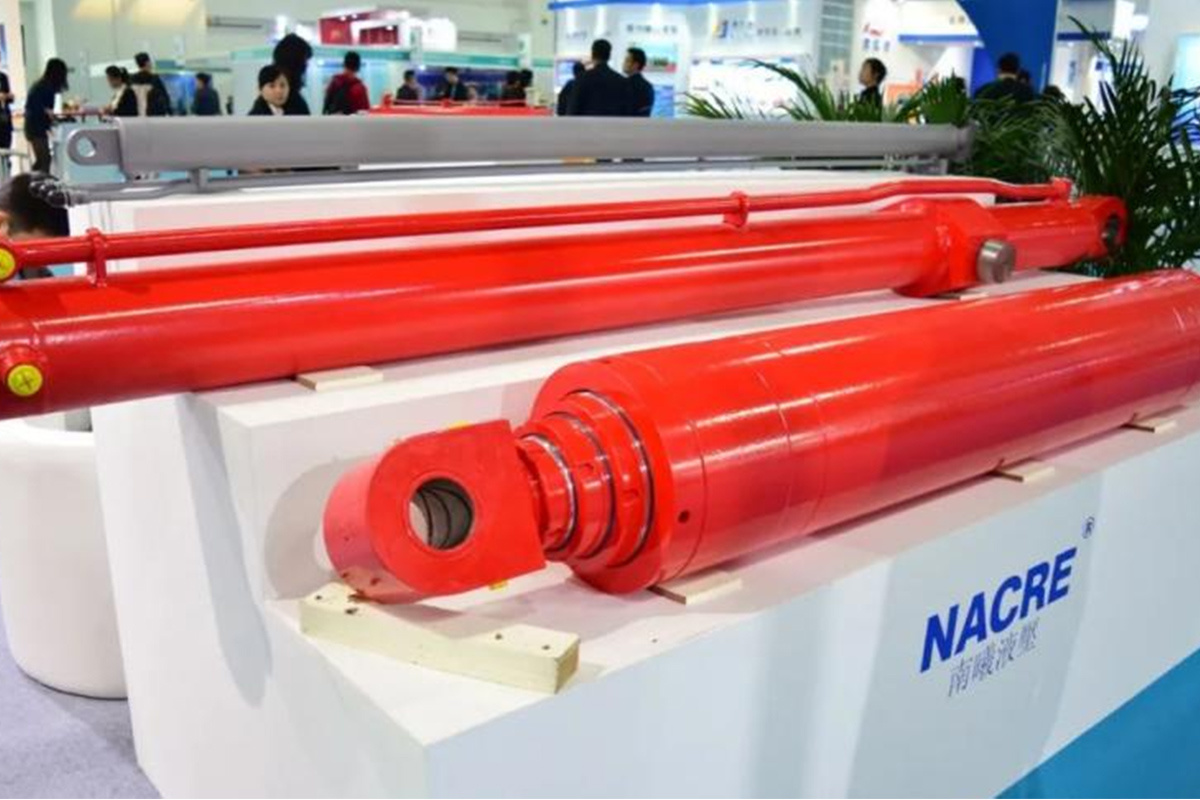
Hydraulic cylinders are fundamental components in tractors, responsible for converting hydraulic energy into mechanical force. These components play a pivotal role in various tasks, including lifting, pushing, and pulling. Over time, hydraulic cylinders can wear out due to prolonged use, environmental conditions, and lack of maintenance. Recognizing the signs that indicate the need for replacement is crucial to ensure your tractor operates efficiently and to prevent potential operational failures.
Understanding the Functionality of Hydraulic Cylinders
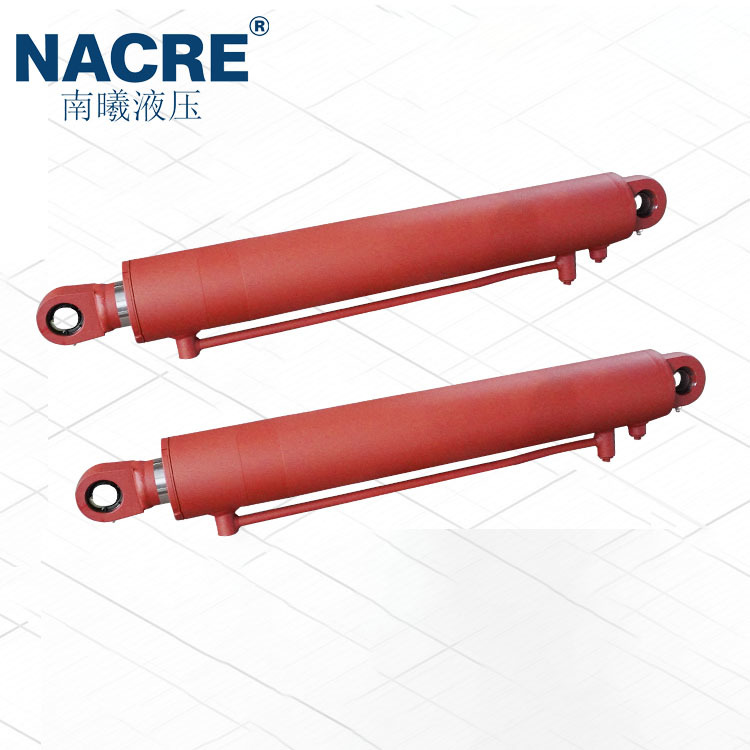
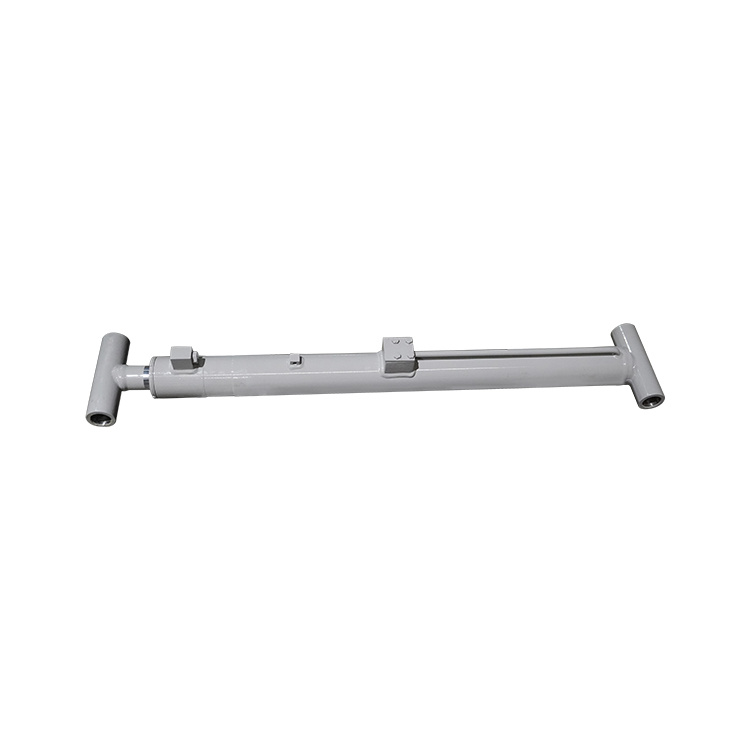
Hydraulic cylinders consist of several key parts, including the cylinder barrel, piston, rod, and seals. When hydraulic fluid is pumped into the cylinder, it exerts pressure on the piston, causing it to move. This motion results in the extension or retraction of the rod, which performs the necessary work. Understanding how these components function can help you identify what signs to look for when assessing the need for replacement.
The Importance of Regular Maintenance
Routine maintenance can significantly extend the lifespan of hydraulic cylinders. Regular checks for leaks, proper fluid levels, and the functionality of seals are essential in preventing damage. Keeping an eye on these variables allows operators to catch problems early and address them before they escalate.
Key Signs That Indicate Your Hydraulic Cylinder Needs Replacement
1. **Visible Leaks**
One of the most obvious signs that a hydraulic cylinder needs replacement is the presence of fluid leaks. If you notice hydraulic fluid pooling around the base of the cylinder, it's a clear indication that the seals may be worn or damaged. Ignoring this issue can lead to decreased performance and further damage to the hydraulic system.
2. **Reduced Performance**
If your tractor is struggling to lift loads it once handled with ease, it might be time to inspect the hydraulic cylinder. A decrease in lifting capacity often signals internal wear, such as scratches on the piston or cylinder wall. This wear can cause pressure loss, leading to inefficient operation.
3. **Uneven Movement**
When operating your tractor, if you notice that the hydraulic cylinder is moving unevenly or sluggishly, this could be a sign of internal damage. Proper function requires that hydraulic cylinders extend and retract smoothly. Any abnormal movement may indicate that the cylinder is on the verge of failure.
4. **Excessive Noise**
Hydraulic systems should operate quietly. However, if you begin to hear unusual noises such as hissing, grinding, or popping sounds when the hydraulic system is engaged, this could indicate internal issues within the cylinder. Noises may arise from air trapped in the system or mechanical failure, both of which require immediate attention.
5. **Physical Damage**
Inspect your hydraulic cylinder regularly for signs of physical damage. Dents, cracks, or corrosion can compromise the cylinder’s integrity and functionality. If any physical damage is present, it’s critical to evaluate whether a replacement is necessary.
6. **Overheating**
If the hydraulic system is running hot, it can lead to premature wear and tear on the cylinder. Overheating can occur for several reasons, including excessive load or low hydraulic fluid levels. Monitoring the temperature of your hydraulic systems and addressing overheating issues promptly is vital.
7. **Inconsistent Pressure**
Hydraulic systems rely on consistent pressure to function correctly. If you notice fluctuations in pressure readings, this could indicate a problem with the hydraulic cylinder's seals or internal components. Erratic pressure can lead to inefficient operation, requiring urgent inspection.
8. **Increased Operating Costs**
If you've noticed a spike in hydraulic fluid consumption or increased operating costs, it may signal inefficiency in your hydraulic system due to a failing cylinder. Replacing the cylinder can ultimately save you money by restoring efficiency and reducing fluid loss.
Diagnosing Problems in Your Hydraulic Cylinder
To properly diagnose issues with your hydraulic cylinder, follow these steps:
1. **Visual Inspection**
Start with a thorough visual inspection for leaks, corrosion, or physical damage. Check all connections and hoses for signs of wear.
2. **Performance Assessment**
Evaluate the performance of your tractor under varying loads. Compare its current lifting capacity with historical data to identify significant changes.
3. **Pressure Testing**
Utilize pressure gauges to measure hydraulic performance. Inconsistent pressure readings can indicate internal cylinder problems.
4. **Fluid Analysis**
Analyzing the hydraulic fluid for contamination can provide insights into the operating condition of your cylinder. Contaminated fluid can lead to increased wear and failure.
Preventative Measures to Extend Hydraulic Cylinder Life
1. **Routine Maintenance Checks**
Regular inspections and maintenance can help identify issues before they escalate. Create a maintenance schedule that includes checks for leaks, fluid levels, and overall system health.
2. **Fluid Quality Management**
Ensure that you use high-quality hydraulic fluid that meets the manufacturer’s specifications. Contaminated or low-quality fluid can cause premature wear.
3. **Proper Usage**
Avoid overloading your tractor beyond its designed capacity. Proper usage not only extends the life of the hydraulic system but also enhances overall efficiency.
4. **Environmental Protection**
Protect your hydraulic system from harsh environmental conditions. Use covers or enclosures when possible, and avoid operating in extreme temperatures.
5. **Education and Training**
Ensure that all operators are well-trained in the proper use of hydraulic systems. Understanding how to operate machinery correctly can prevent unnecessary wear.
Replacement Process for Hydraulic Cylinders
When it’s determined that a hydraulic cylinder needs replacement, follow these steps:
1. **Identify the Correct Replacement Part**
Refer to your tractor's service manual to identify the correct specifications for the replacement hydraulic cylinder. Ensure that all measurements match.
2. **Safety Precautions**
Before beginning the replacement process, ensure the tractor is off, and all safety precautions are followed to prevent accidents.
3. **Remove the Old Cylinder**
Carefully disconnect the old hydraulic cylinder from its mounting points. Use proper tools to avoid damage to other components.
4. **Install the New Cylinder**
Position the new hydraulic cylinder in place and securely attach it to the mounting points. Double-check all connections to ensure they are tight and secure.
5. **Test the System**
After installation, conduct a thorough test of the hydraulic system to ensure everything is functioning correctly. Check for leaks and monitor performance.
Conclusion
Recognizing the signs that indicate your tractor's hydraulic cylinder needs replacement is essential for maintaining operational efficiency. By understanding the functionality of hydraulic cylinders and the signs of failure, you can make informed decisions about maintenance and replacement. Regular inspections, adherence to maintenance schedules, and prompt action upon noticing issues will help extend the life of your hydraulic cylinders, ultimately saving you time and money. Stay proactive in monitoring your equipment, and ensure your tractor remains in peak condition for years to come.
FAQs
1. **How often should I inspect my hydraulic cylinders?**
Regular inspections should be conducted every few months, or more frequently if the tractor is used heavily.
2. **What type of hydraulic fluid should I use?**
Always use hydraulic fluid that meets the manufacturer’s specifications as listed in your service manual.
3. **Can I repair a leaking hydraulic cylinder?**
In some cases, minor leaks can be repaired by replacing seals. However, if the cylinder is extensively damaged, replacement is advisable.
4. **How do I know if my hydraulic cylinder is beyond repair?**
Signs such as severe physical damage, extensive leaks, or consistent performance issues often indicate that a hydraulic cylinder should be replaced rather than repaired.
5. **What are the consequences of ignoring hydraulic cylinder issues?**
Neglecting hydraulic cylinder problems can lead to catastrophic failure, costly repairs, and potential safety hazards during operation.

Questions?
We are here to help.
