

Exploring the Applications of Tie Rod Cylinders in Various Industries
2026-09-23
Exploring the Applications of Tie Rod Cylinders in Various Industries
Understanding Tie Rod Cylinders: An Overview
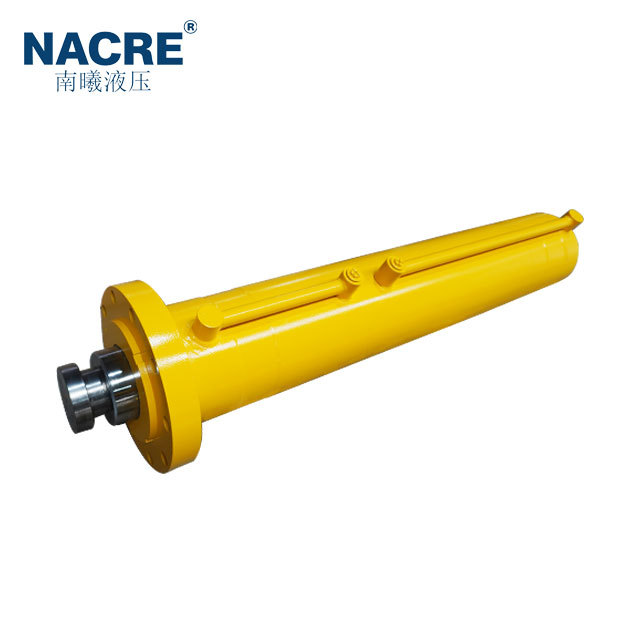
Tie rod cylinders are a staple in the hydraulic machinery industry, serving as crucial components that convert hydraulic energy into mechanical work. These cylinders are characterized by their robust design, featuring a series of tie rods that hold the cylinder barrel and end caps together. The flexibility in design allows tie rod cylinders to be adapted for various applications across multiple industries.
What Are Tie Rod Cylinders?
Tie rod cylinders consist of a cylinder barrel, piston, and rod, connected by tie rods. The hydraulic fluid's pressure moves the piston, which is linked to the rod, creating linear motion. The tie rods ensure stability and durability, making these cylinders ideal for high-pressure environments.
Key Components of Tie Rod Cylinders
- **Cylinder Barrel**: Houses the piston and is subjected to hydraulic pressure.
- **Piston**: Moves within the barrel, driven by the hydraulic fluid.
- **Rod**: Transmits the force generated by the piston to the load.
- **Tie Rods**: Provide structural integrity to the cylinder, allowing it to withstand high pressure.
The Importance of Tie Rod Cylinders in Industrial Applications
Tie rod cylinders are integral to various applications, ranging from manufacturing to construction. Their reliability, efficiency, and adaptability make them a preferred choice for engineers and designers seeking to enhance operational performance.
Applications in Manufacturing
In manufacturing, tie rod cylinders play a pivotal role in automation and assembly lines. They are used for tasks such as clamping, lifting, and pushing heavy components. Their ability to deliver consistent force makes them ideal for applications that require precision and repeatability.
Case Study: Automotive Industry
In the automotive sector, tie rod cylinders facilitate assembly processes, such as the installation of components and robotic arms that require precise movements. Their durability and high load capacity ensure they can withstand the rigors of automotive manufacturing, improving overall efficiency and production speed.
Construction Applications
Construction machinery heavily relies on hydraulic systems, where tie rod cylinders are commonplace. From excavators to cranes, these cylinders enable heavy lifting and precise positioning of equipment. The robustness of tie rod cylinders ensures they can operate effectively in harsh environments, minimizing downtime and maintenance costs.
Example: Excavator Operations
Excavators utilize tie rod cylinders for boom and arm movements, allowing for efficient digging and material handling. The hydraulic pressure generated by the fluid moves the piston, providing the necessary force to lift or lower heavy loads smoothly and efficiently.
Advantages of Using Tie Rod Cylinders
The benefits of incorporating tie rod cylinders in various applications are numerous. Understanding these advantages can help businesses make informed decisions about their hydraulic systems.
High Load Capacity and Durability
One of the primary benefits of tie rod cylinders is their high load capacity. The design allows them to handle substantial weights, making them suitable for heavy industrial applications. Additionally, the materials used in manufacturing tie rod cylinders contribute to their durability, ensuring a long operational lifespan.
Cost-Effectiveness and Maintenance
Tie rod cylinders are designed for longevity, which translates to reduced maintenance and replacement costs over time. Their straightforward design also facilitates easier repairs, minimizing downtime and maximizing productivity.
Versatility Across Industries
Tie rod cylinders are incredibly versatile, finding applications in industries such as agriculture, mining, and even aerospace. Their adaptable design allows for customization to meet the specific needs of various sectors, enhancing operational efficiency.
Advancements in Tie Rod Cylinder Technology
As technology evolves, so does the design and functionality of tie rod cylinders. Recent innovations have improved their performance and efficiency, providing even greater benefits to industries worldwide.
Smart Tie Rod Cylinders
The advent of smart technology has led to the development of smart tie rod cylinders. These cylinders are equipped with sensors that monitor performance in real-time, providing valuable data that can enhance predictive maintenance and operational efficiency.
Integration with IoT
The integration of tie rod cylinders with the Internet of Things (IoT) has revolutionized their use in smart factories. This technology allows for seamless communication between machinery, enabling automated adjustments and improving overall workflow.
Choosing the Right Tie Rod Cylinder for Your Needs
Selecting the appropriate tie rod cylinder for specific applications is crucial to achieving optimal performance. Several factors must be considered during this selection process.
Factors to Consider
- **Load Requirements**: Assess the weight and force needed for your application.
- **Environmental Conditions**: Consider factors such as temperature, humidity, and exposure to corrosive substances.
- **Operating Pressure**: Ensure the cylinder can handle the required hydraulic pressure without compromising safety or performance.
- **Size and Stroke Length**: Select a cylinder that fits within the spatial constraints of your machinery while providing the necessary stroke length for your application.
Consulting with Experts
Working with hydraulic system experts can provide valuable insights into selecting the right tie rod cylinder. Their expertise can help identify the best options tailored to your specific operational needs, ensuring optimal performance and efficiency.
FAQs About Tie Rod Cylinders
1. What is the primary function of a tie rod cylinder?
Tie rod cylinders convert hydraulic energy into linear mechanical force, enabling various movements such as lifting, pushing, and clamping in industrial applications.
2. How do tie rod cylinders differ from other hydraulic cylinders?
Tie rod cylinders are characterized by their structural design, featuring tie rods that provide added stability and load capacity, making them ideal for high-pressure applications.
3. What industries commonly use tie rod cylinders?
Tie rod cylinders are used across numerous industries, including manufacturing, construction, agriculture, mining, and aerospace, due to their versatility and efficiency.
4. How can I maintain my tie rod cylinders?
Regular inspection, ensuring proper lubrication, and monitoring hydraulic fluid levels can help maintain the performance and longevity of tie rod cylinders.
5. Are there custom tie rod cylinder options available?
Yes, many manufacturers offer custom tie rod cylinders tailored to specific operational requirements, including load capacity, stroke length, and environmental considerations.
Conclusion
Tie rod cylinders are indispensable components in a variety of industrial applications. Their robust design, high load capacity, and versatility make them a preferred choice in sectors ranging from manufacturing to construction. As technology advances, tie rod cylinders continue to evolve, offering improved performance and efficiency. By understanding their applications and benefits, businesses can leverage these hydraulic components to enhance operational efficiency and drive success in their respective industries.


Questions?
We are here to help.
