

Understanding Excavator Cylinders: The Heart of Hydraulic Performance
2026-05-21
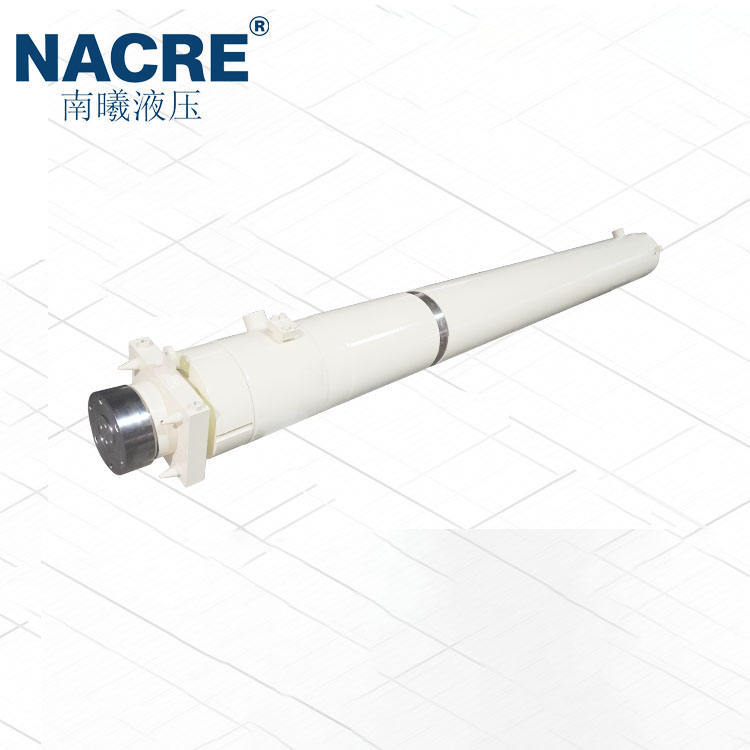
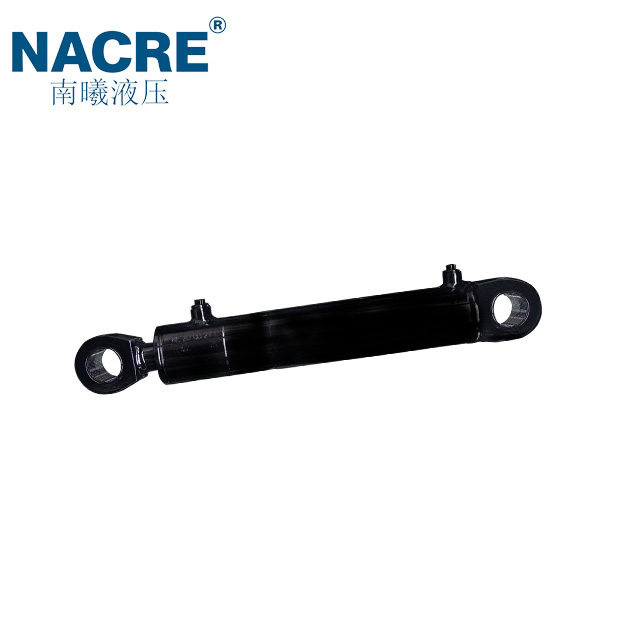
Excavator cylinders are pivotal components within hydraulic machinery, serving as the driving force behind various excavating and lifting operations. These hydraulic cylinders convert hydraulic energy into mechanical energy, enabling heavy machinery to perform tasks such as digging, lifting, and moving earth and materials with precision and power. Understanding the workings of excavator cylinders is crucial for professionals in the industrial equipment sector, particularly those involved in hydraulic machinery and components.
At their core, excavator cylinders consist of a cylindrical chamber that houses a piston. When hydraulic fluid is pumped into the chamber, it creates pressure that forces the piston to move. This movement can extend or retract depending on the application, allowing the excavator's arm or attachments to operate effectively. The design and construction of these cylinders are engineered to withstand high pressures and varying environmental conditions, ensuring durability and reliability in demanding work settings.
One of the key features of excavator cylinders is their ability to provide controlled movement. This is achieved through precise engineering, where factors like cylinder diameter, stroke length, and rod design are tailored to meet specific operational requirements. Furthermore, the seals and bearings within the cylinders are designed to minimize leakage and wear, enhancing the lifespan and efficiency of the hydraulic system.
Maintaining excavator cylinders is essential for optimal performance. Regular inspections should focus on checking for signs of wear, leakage, and damage. Proper maintenance not only extends the life of the cylinders but also ensures the safety and efficiency of the entire hydraulic system. Industry professionals should be aware of the importance of using the appropriate hydraulic fluids, as the wrong type can lead to suboptimal cylinder performance and potential damage.
In summary, excavator cylinders play a critical role in the functionality of hydraulic machinery. Their ability to convert hydraulic pressure into mechanical movement is fundamental to the operation of excavators and similar equipment. A comprehensive understanding of their design, maintenance, and operation is vital for professionals working with hydraulic systems. As industries continue to evolve, the importance of reliable excavator cylinders will only grow, highlighting the need for ongoing education and awareness in this field. By prioritizing the maintenance and proper utilization of these components, professionals can enhance operational efficiency and ensure the longevity of their hydraulic machinery.
At their core, excavator cylinders consist of a cylindrical chamber that houses a piston. When hydraulic fluid is pumped into the chamber, it creates pressure that forces the piston to move. This movement can extend or retract depending on the application, allowing the excavator's arm or attachments to operate effectively. The design and construction of these cylinders are engineered to withstand high pressures and varying environmental conditions, ensuring durability and reliability in demanding work settings.
One of the key features of excavator cylinders is their ability to provide controlled movement. This is achieved through precise engineering, where factors like cylinder diameter, stroke length, and rod design are tailored to meet specific operational requirements. Furthermore, the seals and bearings within the cylinders are designed to minimize leakage and wear, enhancing the lifespan and efficiency of the hydraulic system.
Maintaining excavator cylinders is essential for optimal performance. Regular inspections should focus on checking for signs of wear, leakage, and damage. Proper maintenance not only extends the life of the cylinders but also ensures the safety and efficiency of the entire hydraulic system. Industry professionals should be aware of the importance of using the appropriate hydraulic fluids, as the wrong type can lead to suboptimal cylinder performance and potential damage.
In summary, excavator cylinders play a critical role in the functionality of hydraulic machinery. Their ability to convert hydraulic pressure into mechanical movement is fundamental to the operation of excavators and similar equipment. A comprehensive understanding of their design, maintenance, and operation is vital for professionals working with hydraulic systems. As industries continue to evolve, the importance of reliable excavator cylinders will only grow, highlighting the need for ongoing education and awareness in this field. By prioritizing the maintenance and proper utilization of these components, professionals can enhance operational efficiency and ensure the longevity of their hydraulic machinery.
Previous Page
Previous Page
Questions?
We are here to help.
