

Choosing the Right Loader Hydraulic Cylinder: Key Factors to Consider for Optimal Performance
2026-05-26
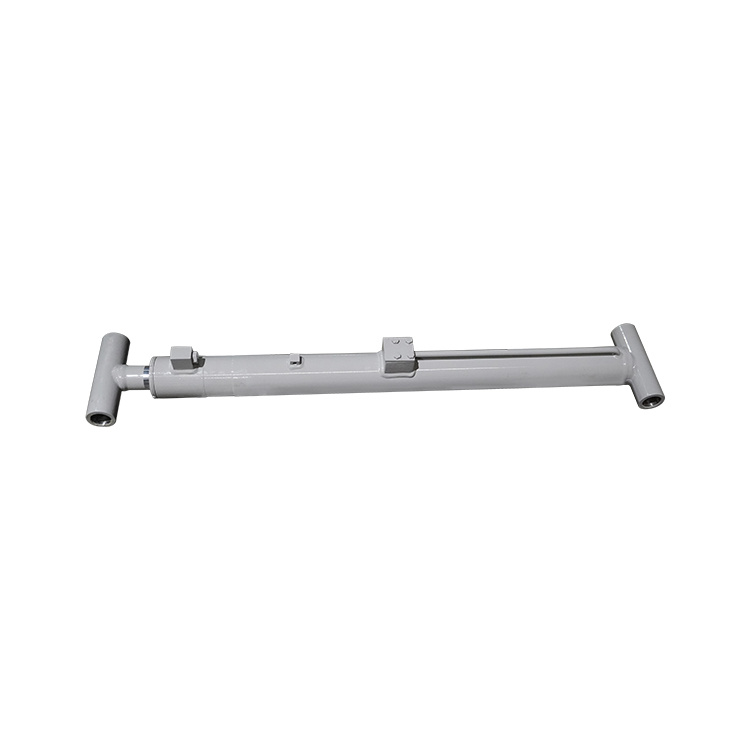
Choosing the Right Loader Hydraulic Cylinder: Key Factors to Consider
When it comes to maximizing the performance of your loader machinery, selecting the **right hydraulic cylinder** is crucial. Hydraulic cylinders are the heart of hydraulic systems, providing the force needed to lift, push, or pull heavy loads. In this article, we will explore the key factors to consider when choosing a loader hydraulic cylinder. We aim to equip you with comprehensive knowledge that will help you make informed decisions, ensuring the effectiveness and reliability of your equipment.
Table of Contents
1. Understanding Hydraulic Cylinders
2. Types of Loader Hydraulic Cylinders
3. Key Specifications to Consider
3.1. Bore Size
3.2. Stroke Length
3.3. Pressure Rating
3.4. Mounting Style
4. Material Considerations for Durability
5. The Importance of Seal Quality
6. Compatibility with Your Loader
7. Maintenance and Longevity
8. Frequently Asked Questions (FAQs)
9. Conclusion
1. Understanding Hydraulic Cylinders
Hydraulic cylinders are mechanical devices that convert hydraulic energy into linear motion. They consist of a cylindrical barrel, a piston, and a rod. When hydraulic fluid is pumped into the cylinder, it pushes the piston, which in turn moves the attached rod. This process generates the force necessary to perform various tasks, such as lifting loads or pushing equipment.
When selecting a hydraulic cylinder, it’s crucial to understand its working principles and functions. A well-chosen hydraulic cylinder can lead to improved efficiency, reduced downtime, and increased productivity.
2. Types of Loader Hydraulic Cylinders
Loader hydraulic cylinders can be categorized into several types, each designed for specific applications. Here are the most common types you should consider:
- **Single-Acting Cylinders**: These cylinders exert force in one direction only and rely on a spring or external force to return to their original position. They are typically used for applications where the load is only required to move in one direction.
- **Double-Acting Cylinders**: These cylinders can exert force in both directions, allowing them to perform more complex tasks. They are commonly used in loaders for lifting and lowering applications, making them a popular choice.
- **Telescopic Cylinders**: Comprising multiple nested cylinders, telescopic cylinders can achieve a significant stroke length in a compact design. They are ideal for applications requiring extended reach or multiple extension stages.
- **Rodless Cylinders**: These utilize a magnetic or mechanical drive to move a load without a visible rod. They are less common but may be suitable for specific applications requiring minimal space.
Understanding the various types of hydraulic cylinders will help narrow down your options when selecting the right loader hydraulic cylinder for your needs.
3. Key Specifications to Consider
When selecting a hydraulic cylinder, several specifications must be evaluated to ensure optimal performance.
3.1. Bore Size
The **bore size** of a hydraulic cylinder refers to the internal diameter of the cylinder barrel. A larger bore size increases the cylinder's lifting capacity, while a smaller bore size is more suitable for lightweight applications. Assess your loader’s requirements to determine the ideal bore size.
3.2. Stroke Length
The **stroke length** is the distance the piston travels within the cylinder. Depending on your application, you may require a long stroke for lifting higher loads or a shorter stroke for more compact operations. Ensure that the stroke length aligns with your loader's operational requirements.
3.3. Pressure Rating
Every hydraulic cylinder has a **pressure rating**, which indicates the maximum pressure the cylinder can handle without failure. It’s essential to select a cylinder with a pressure rating that meets or exceeds your loader’s hydraulic system requirements to prevent operational failures.
3.4. Mounting Style
Hydraulic cylinders can be mounted in various ways, including pin-mounted, clevis-mounted, or flange-mounted. The **mounting style** should align with your loader's design and application. Ensure proper compatibility to facilitate installation and operation.
4. Material Considerations for Durability
The materials used in the construction of hydraulic cylinders significantly influence their durability and performance. Common materials include steel and aluminum. Steel cylinders are often favored for their strength and resistance to wear, while aluminum cylinders are lighter and more resistant to corrosion.
Consider the working environment of your loader when selecting the material. If the cylinder will be exposed to harsh conditions, such as moisture, dirt, or chemicals, opt for a material that can withstand such elements.
5. The Importance of Seal Quality
The seals in a hydraulic cylinder prevent fluid leaks and maintain pressure. Quality **seals** are vital for the longevity and efficiency of the hydraulic system. Poor seal quality can lead to fluid leaks, which not only reduce performance but can also cause environmental hazards.
When choosing a hydraulic cylinder, ensure that it features high-quality seals designed for the specific conditions in which your loader operates. This consideration can enhance reliability and reduce maintenance costs.
6. Compatibility with Your Loader
Ensuring that the hydraulic cylinder is compatible with your loader is critical for optimal performance. This includes not only the physical dimensions of the cylinder but also its performance characteristics.
Check the manufacturer's specifications and recommendations to verify that the cylinder can integrate seamlessly with your loader’s system. This step will help avoid costly modifications and ensure smooth operation.
7. Maintenance and Longevity
Regular maintenance is paramount for extending the lifespan of hydraulic cylinders. Here are some key maintenance tips to consider:
- **Regular Inspections**: Routinely inspect the cylinder for signs of wear or damage, including leaks or corrosion.
- **Fluid Quality**: Use the correct hydraulic fluid and ensure it remains clean and at the proper levels.
- **Seal Integrity**: Regularly check seals for wear and replace them as necessary to prevent leaks.
Implementing a proactive maintenance plan can significantly enhance the longevity of your hydraulic cylinders and improve overall equipment performance.
8. Frequently Asked Questions (FAQs)
1. What is the difference between single-acting and double-acting hydraulic cylinders?
Single-acting cylinders exert force in one direction only, while double-acting cylinders can exert force in both directions, allowing for more versatile applications.
2. How do I determine the appropriate bore size for my loader hydraulic cylinder?
To select the right bore size, consider the weight of the loads you will be lifting and the required lifting capacity. Consult your loader's specifications for guidance.
3. What are the common causes of hydraulic cylinder failure?
Common causes include seal failure, over-pressurization, contamination of hydraulic fluid, and improper installation.
4. How often should I perform maintenance on my hydraulic cylinder?
Regular inspections should be conducted every few months, while more in-depth maintenance should be performed annually or as specified by the manufacturer.
5. Can I use a hydraulic cylinder from a different manufacturer?
While it may be possible, it is essential to ensure compatibility in terms of dimensions, pressure ratings, and performance characteristics. Always consult with a professional before making substitutions.
9. Conclusion
Choosing the right loader hydraulic cylinder is a critical decision that impacts the performance and reliability of your machinery. By understanding the types, specifications, and materials available, you can make informed choices that align with your operational needs. Prioritizing quality, compatibility, and maintenance will ensure that your hydraulic cylinders serve you well for years to come. With the right knowledge and careful consideration, you can optimize your loader’s efficiency and maximize productivity in your operations.
Previous Page
Previous Page
Questions?
We are here to help.
