

Understanding Tractor Loader Cylinders: Essential Insights for Enhanced Efficiency
2026-05-31
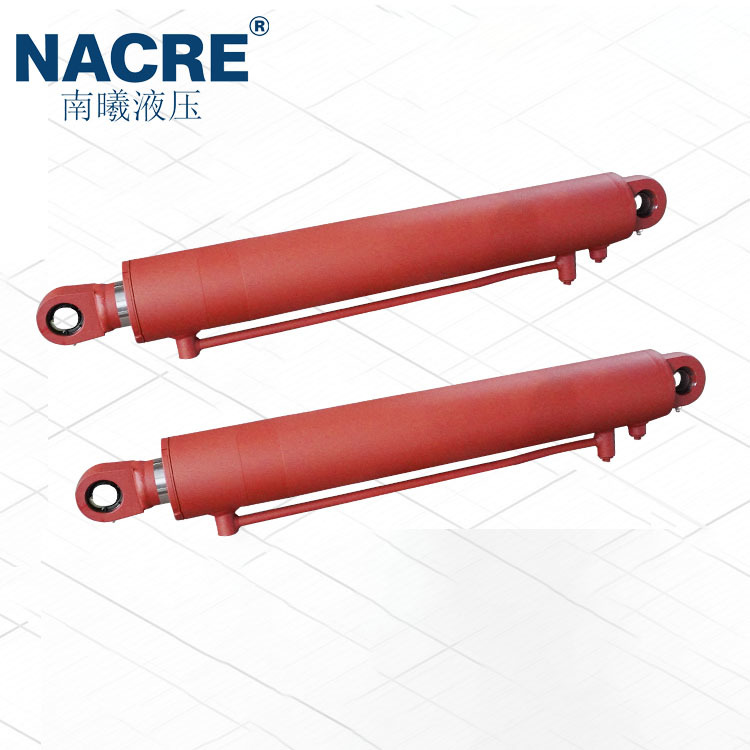
Tractor loader cylinders play a crucial role in the functionality of hydraulic systems used in various industrial applications. These cylinders are integral components of a tractor loader's hydraulic system, responsible for lifting, lowering, tilting, and extending the loader's arms. Understanding their design, operation, and maintenance is essential for anyone working with hydraulic machinery.
**Design and Operation**
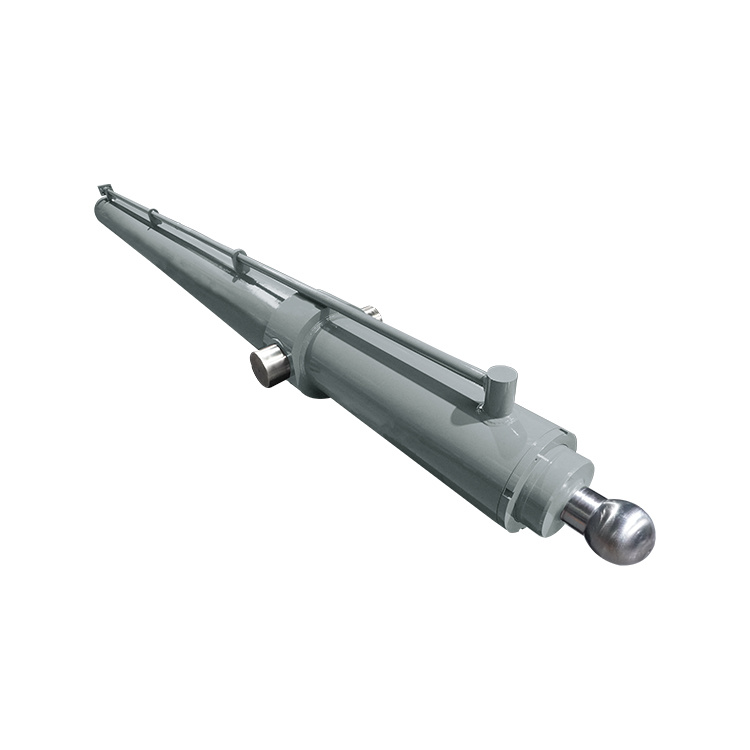
Tractor loader cylinders are typically constructed from high-strength materials to withstand the demanding conditions in which they operate. They consist of a cylinder barrel, piston, seals, and end caps. When hydraulic fluid is pumped into the cylinder, it creates pressure that moves the piston, resulting in linear motion. This motion is what enables the loader to perform tasks such as lifting heavy loads or tilting the bucket.
The efficiency of tractor loader cylinders depends largely on their size and specifications. Selecting the right cylinder size is critical, as it determines the amount of force that can be exerted. Larger cylinders can lift heavier loads but may require more hydraulic fluid, while smaller cylinders are advantageous for tasks requiring precision.
**Maintenance Considerations**
Regular maintenance of tractor loader cylinders is essential for ensuring their longevity and optimal performance. Common maintenance practices include checking for leaks, inspecting seals for wear, and ensuring that the hydraulic fluid is at the appropriate level. Neglecting maintenance can lead to decreased efficiency, unexpected failures, and costly repairs.
It’s also important to routinely inspect the hydraulic connections and hoses for signs of wear and tear. Any damage to these components can result in a loss of pressure and affect the operation of the loader. Regularly replacing filters in the hydraulic system is another best practice to maintain fluid cleanliness and avoid contamination that could harm the cylinders.
**Applications in Industry**
Tractor loader cylinders are widely used in various industrial applications, including construction, agriculture, and landscaping. In construction, they facilitate material handling and excavation tasks, making them invaluable for projects requiring heavy lifting and precise movements. In agriculture, these cylinders help in tasks like loading and unloading materials, while in landscaping, they assist in moving soil and other landscaping materials efficiently.
In conclusion, tractor loader cylinders are vital components in hydraulic systems that enhance the efficiency and effectiveness of various industrial operations. By understanding their design, operation, and maintenance, professionals can ensure that their hydraulic machinery performs at its best, ultimately leading to improved productivity and reduced downtime. If you have further inquiries about tractor loader cylinders or related hydraulic components, feel free to explore further resources or reach out for more technical information.
**Design and Operation**
Tractor loader cylinders are typically constructed from high-strength materials to withstand the demanding conditions in which they operate. They consist of a cylinder barrel, piston, seals, and end caps. When hydraulic fluid is pumped into the cylinder, it creates pressure that moves the piston, resulting in linear motion. This motion is what enables the loader to perform tasks such as lifting heavy loads or tilting the bucket.
The efficiency of tractor loader cylinders depends largely on their size and specifications. Selecting the right cylinder size is critical, as it determines the amount of force that can be exerted. Larger cylinders can lift heavier loads but may require more hydraulic fluid, while smaller cylinders are advantageous for tasks requiring precision.
**Maintenance Considerations**
Regular maintenance of tractor loader cylinders is essential for ensuring their longevity and optimal performance. Common maintenance practices include checking for leaks, inspecting seals for wear, and ensuring that the hydraulic fluid is at the appropriate level. Neglecting maintenance can lead to decreased efficiency, unexpected failures, and costly repairs.
It’s also important to routinely inspect the hydraulic connections and hoses for signs of wear and tear. Any damage to these components can result in a loss of pressure and affect the operation of the loader. Regularly replacing filters in the hydraulic system is another best practice to maintain fluid cleanliness and avoid contamination that could harm the cylinders.
**Applications in Industry**
Tractor loader cylinders are widely used in various industrial applications, including construction, agriculture, and landscaping. In construction, they facilitate material handling and excavation tasks, making them invaluable for projects requiring heavy lifting and precise movements. In agriculture, these cylinders help in tasks like loading and unloading materials, while in landscaping, they assist in moving soil and other landscaping materials efficiently.
In conclusion, tractor loader cylinders are vital components in hydraulic systems that enhance the efficiency and effectiveness of various industrial operations. By understanding their design, operation, and maintenance, professionals can ensure that their hydraulic machinery performs at its best, ultimately leading to improved productivity and reduced downtime. If you have further inquiries about tractor loader cylinders or related hydraulic components, feel free to explore further resources or reach out for more technical information.
Previous Page
Previous Page
Questions?
We are here to help.
