

Tie Rod Cylinders: The Unsung Heroes of Industrial Equipment
2026-06-05
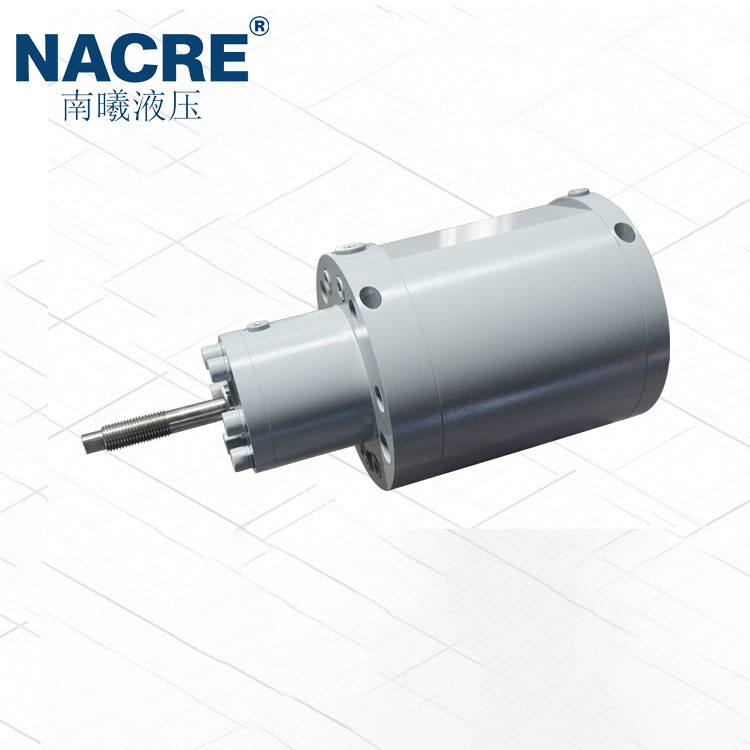
Tie Rod Cylinders: The Unsung Heroes of Industrial Equipment
Table of Contents
- 1. Introduction to Tie Rod Cylinders
- 2. Design and Functionality of Tie Rod Cylinders
- 3. Applications of Tie Rod Cylinders in Various Industries
- 4. Advantages of Using Tie Rod Cylinders
- 5. Maintenance and Care of Tie Rod Cylinders
- 6. Common Issues with Tie Rod Cylinders and Their Solutions
- 7. The Future of Tie Rod Cylinders in Industrial Applications
- 8. Conclusion
- 9. Frequently Asked Questions (FAQs)
1. Introduction to Tie Rod Cylinders
Tie rod cylinders are integral components within hydraulic systems, serving a multitude of functions across various industrial sectors. These cylinders are distinguished by their robust design, typically characterized by a cylindrical barrel and a set of tie rods that secure the end caps. They play a critical role in converting hydraulic energy into linear motion, thus enabling machinery to perform essential operations.
As industries continue to evolve, the demand for reliable and efficient hydraulic solutions, including tie rod cylinders, has surged. Understanding their significance can empower businesses to enhance their operational efficiency and productivity. This article delves into the multiple aspects of tie rod cylinders, highlighting their importance as unsung heroes in the world of industrial equipment.
2. Design and Functionality of Tie Rod Cylinders
Tie rod cylinders are designed with precision and durability in mind. The fundamental components include:
2.1 Components of Tie Rod Cylinders
- **Cylinder Barrel**: This is the main body of the cylinder, housing the piston and providing the necessary pressure for operation.
- **Piston**: The piston moves within the cylinder, converting hydraulic pressure into mechanical energy.
- **End Caps**: These components seal the cylinder and are secured by tie rods. They contain ports for hydraulic fluid entry and exit.
- **Tie Rods**: These rods provide structural integrity, holding the end caps securely in place to withstand high pressure.
2.2 Working Principle
The working principle of tie rod cylinders revolves around hydraulic fluid dynamics. When hydraulic fluid enters the cylinder, it exerts pressure on the piston. This force causes the piston to move, creating linear motion that can be harnessed for various applications, from lifting heavy loads to operating machinery.
3. Applications of Tie Rod Cylinders in Various Industries
Tie rod cylinders are versatile and find applications across numerous industries. Here are some key sectors where they play a vital role:
3.1 Construction Industry
In construction, tie rod cylinders are used in heavy machinery such as excavators and bulldozers. They are essential for lifting and moving heavy materials, making construction operations more efficient.
3.2 Manufacturing Sector
Manufacturers utilize tie rod cylinders in assembly lines and automated processes. Their ability to provide consistent and powerful linear motion is crucial for tasks such as material handling and product assembly.
3.3 Agricultural Equipment
In agriculture, tie rod cylinders are employed in tractors and harvesters. They assist in the lifting and controlling of various attachments, ensuring effective farming practices.
3.4 Transportation and Logistics
In the transportation sector, tie rod cylinders are integral to loading and unloading equipment, optimizing logistic operations.
3.5 Aerospace and Defense
In aerospace applications, tie rod cylinders are vital for operating landing gear and other critical systems within aircraft. Their reliability and strength are paramount in this high-stakes environment.
4. Advantages of Using Tie Rod Cylinders
Tie rod cylinders offer several advantages that make them a preferred choice in various applications:
4.1 Enhanced Durability
The robust design of tie rod cylinders ensures they can withstand high pressures and demanding environments, leading to longer service life and reduced maintenance costs.
4.2 Versatility
Their adaptability allows them to be used in a wide range of applications, from heavy machinery to delicate processes, making them indispensable in industrial settings.
4.3 Cost-Effectiveness
The efficiency of tie rod cylinders can lead to reduced operational costs. Their design allows for easy replacement and maintenance, minimizing downtime.
4.4 High Power-to-Weight Ratio
Tie rod cylinders provide significant force while remaining relatively lightweight, which is advantageous in machinery design and operation.
5. Maintenance and Care of Tie Rod Cylinders
Proper maintenance is crucial to ensuring the longevity and efficiency of tie rod cylinders. Here are some essential maintenance practices:
5.1 Regular Inspections
Routine inspections can help identify wear and tear early on. Check for leaks, wear on seals, and the overall condition of the cylinder.
5.2 Hydraulic Fluid Management
Maintaining the correct level and quality of hydraulic fluid is essential. Contaminated fluid can lead to cylinder damage, reducing efficiency.
5.3 Seal Replacement
Regularly check and replace seals to prevent leaks and ensure optimal performance. Worn seals can lead to pressure loss and inefficiency.
5.4 Cleaning
Keep the exterior of the cylinder clean to prevent contamination from dirt and grime that can affect performance.
6. Common Issues with Tie Rod Cylinders and Their Solutions
Despite their reliability, tie rod cylinders can experience issues. Here are some common problems and their solutions:
6.1 Leaking Seals
**Issue**: Leaking seals can lead to efficiency loss and fluid contamination.
**Solution**: Regularly inspect and replace worn seals to maintain performance.
6.2 Cylinder Misalignment
**Issue**: Misalignment can cause uneven wear and reduce operational efficiency.
**Solution**: Ensure proper installation and alignment during setup.
6.3 Excessive Wear
**Issue**: Over time, components can wear, leading to decreased functionality.
**Solution**: Implement routine maintenance and inspections to catch wear early.
6.4 Contaminated Hydraulic Fluid
**Issue**: Contaminated fluid can affect the performance of the cylinder.
**Solution**: Regularly check and replace hydraulic fluid to ensure cleanliness.
7. The Future of Tie Rod Cylinders in Industrial Applications
As technology continues to advance, tie rod cylinders are expected to evolve as well. Future trends may include:
7.1 Smart Technology Integration
The integration of smart technology into tie rod cylinders could provide real-time monitoring and diagnostics, enhancing operational efficiency.
7.2 Improved Materials
The development of advanced materials may lead to even more durable and lightweight designs, improving performance in demanding applications.
7.3 Customization Options
As industries seek more tailored solutions, manufacturers may offer more customizable options for tie rod cylinders to meet specific needs.
8. Conclusion
Tie rod cylinders may often be overlooked in discussions about industrial equipment, but their significance cannot be understated. Their robust design, efficiency, and versatility make them essential components across various sectors, from construction to aerospace. Proper maintenance and awareness of their functionality will ensure they continue to serve as the unsung heroes of industrial machinery. Recognizing the importance of tie rod cylinders can lead to improved operational efficiency and productivity, underscoring their invaluable role in modern industry.
9. Frequently Asked Questions (FAQs)
What are tie rod cylinders used for?
Tie rod cylinders are used in hydraulic systems to convert hydraulic energy into linear motion, essential for various applications in industries like construction, manufacturing, and agriculture.
How do tie rod cylinders work?
Tie rod cylinders work by allowing hydraulic fluid to enter the cylinder, which exerts pressure on the piston, generating linear motion.
What are the common materials used in tie rod cylinder construction?
Tie rod cylinders are typically made from high-strength steel for durability, along with other materials like aluminum for specific applications.
How often should tie rod cylinders be inspected?
It is recommended to inspect tie rod cylinders regularly, at least once every few months, depending on usage and operating conditions.
Can tie rod cylinders be customized for specific applications?
Yes, many manufacturers offer customizable options to meet specific needs, including size, pressure ratings, and mounting configurations.


Questions?
We are here to help.
