

A Complete Guide to Maintaining Your Automobile Crane Hydraulic Cylinder
2026-06-15
A Complete Guide to Maintaining Your Automobile Crane Hydraulic Cylinder
Table of Contents
- Understanding Hydraulic Cylinders
- Importance of Maintaining Hydraulic Cylinders
- Signs of Wear and Tear
- Basic Maintenance Tips for Hydraulic Cylinders
- Advanced Maintenance Techniques
- Troubleshooting Common Issues
- When to Seek Professional Help
- Frequently Asked Questions
Understanding Hydraulic Cylinders
Hydraulic cylinders are essential components in automobile cranes, converting hydraulic energy into mechanical force. They operate through the movement of hydraulic fluid, allowing cranes to lift heavy loads with precision and control. Understanding how these cylinders function is crucial for effective maintenance.
### What Are Hydraulic Cylinders?
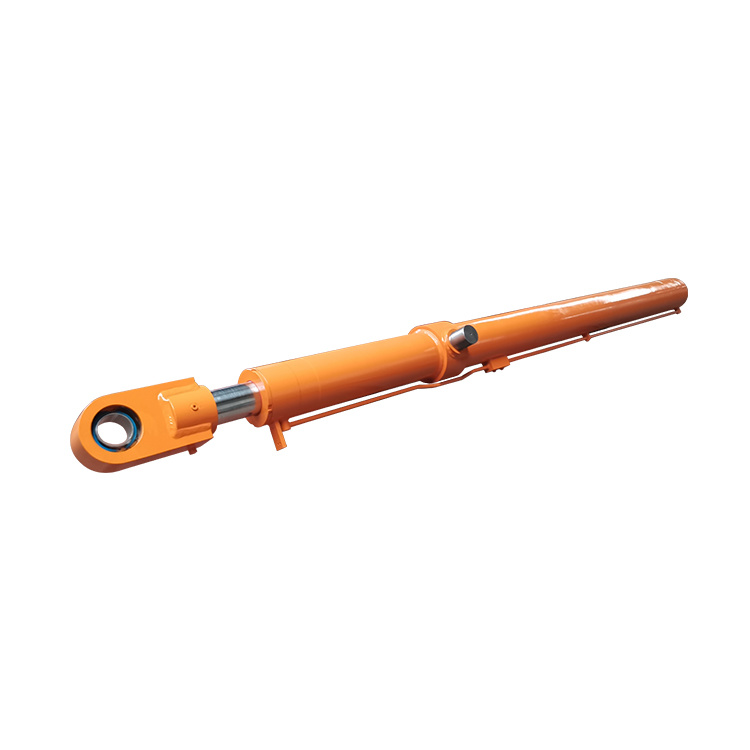
Hydraulic cylinders are devices that utilize pressurized hydraulic fluid to create linear motion. They consist of a cylinder barrel, a piston, and a rod. The hydraulic fluid enters the cylinder, pushing the piston and rod outwards to perform work, such as lifting or moving loads.
### How Hydraulic Systems Work
A hydraulic system relies on Pascal's law, which states that pressure applied to a fluid in a confined space is transmitted undiminished in all directions. This principle allows cranes to lift heavy objects effortlessly, as the hydraulic fluid exerts force on the piston, resulting in significant lifting power.
Importance of Maintaining Hydraulic Cylinders
Proper maintenance of hydraulic cylinders is vital for several reasons:
1. **Safety**: Regular maintenance reduces the risk of failure, ensuring the safety of operators and those nearby.
2. **Performance**: Well-maintained hydraulic cylinders operate more efficiently, leading to improved crane performance.
3. **Cost-Effective**: Preventative maintenance can save money by avoiding costly repairs and prolonging the lifespan of equipment.
4. **Operational Reliability**: Regular checks and servicing ensure that the hydraulic system remains dependable under various working conditions.
Signs of Wear and Tear
Identifying signs of wear and tear early can prevent significant damage and costly repairs. Here are some common indicators to watch for:
### Leaks
Hydraulic fluid leaks are one of the most obvious signs that something is wrong. They can occur at seals, fittings, or hoses. If you notice fluid pooling around the hydraulic cylinder, immediate action is required.
### Reduced Lifting Capacity
If the crane struggles to lift loads it previously managed with ease, it may indicate internal wear or low hydraulic fluid levels. Regular checks are essential to maintain optimal performance.
### Unusual Noises
Grinding, whining, or hissing noises during operation can suggest mechanical issues within the cylinder or pump. These sounds should not be ignored, as they may indicate impending failure.
### Slow or Inconsistent Movement
If the hydraulic cylinder’s movement is sluggish or jerky, it may point to air in the system, low fluid levels, or internal damage. Timely inspection can help identify the root cause.
Basic Maintenance Tips for Hydraulic Cylinders
Implementing a routine maintenance schedule is crucial for the longevity of your hydraulic cylinders. Here are some basic tips to follow:
### Regular Fluid Checks
Ensure the hydraulic fluid is at the recommended level and topped up when necessary. Old or contaminated fluid can lead to poor performance and damage.
### Inspect Seals and Hoses
Regularly examine seals, hoses, and connections for cracks, wear, or leaks. Replace any damaged components promptly to prevent further issues.
### Clean the Cylinder Externally
Dirt and debris can accumulate on the surface of the hydraulic cylinder, leading to contamination. Regularly clean the cylinder to prevent dirt from entering the hydraulic system.
### Monitor Operating Conditions
Keep an eye on the operating temperature and pressure of the hydraulic system. Extreme conditions can accelerate wear and lead to failure.
Advanced Maintenance Techniques
For those wanting to dive deeper into maintenance, here are some advanced techniques:
### System Flushing
Flushing the hydraulic system removes contaminants and old fluid, improving performance and preventing wear. This process should be performed according to the manufacturer's recommendations.
### Seal Replacement
Regularly replacing seals can prevent leaks and maintain pressure within the hydraulic system. Ensure that you use seals compatible with the hydraulic fluid used.
### Calibration of Components
Regular calibration of hydraulic components ensures that they are functioning within their designed parameters. This includes checking the pressure relief valves and flow rates.
Troubleshooting Common Issues
Despite best efforts in maintenance, issues may still arise. Here’s how to troubleshoot common hydraulic cylinder problems:
### Problem: Hydraulic Cylinder Does Not Extend/Retract
**Solution**: Check for air in the system, low fluid levels, or blockages in hoses. Bleed the system as needed and ensure all components are functioning correctly.
### Problem: Cylinder Drifting
**Solution**: Cylinder drifting can occur due to worn seals or internal leaks. Inspect and replace seals as necessary to restore functionality.
### Problem: Excessive Noise During Operation
**Solution**: Noisy operation may indicate low fluid levels, air in the system, or worn components. Identify the source of the noise and address it promptly.
When to Seek Professional Help
While regular maintenance is essential, there are times when professional help is necessary. If you encounter persistent problems, such as:
- Inability to diagnose the issue
- Frequent leaks despite seal replacement
- Significant performance drops
It is advisable to consult with a hydraulic specialist. Professionals can conduct a thorough inspection and provide solutions tailored to your equipment.
Frequently Asked Questions
1. How often should I maintain my hydraulic cylinder?
Regular maintenance should be performed at least every six months, but high-use environments may require more frequent checks.
2. What type of hydraulic fluid should I use?
Always use the hydraulic fluid recommended by the manufacturer, as different systems may require specific fluid types for optimal performance.
3. How do I identify a hydraulic leak?
Look for fluid pooling around connections, fittings, or the cylinder itself. Check for damp spots on seals and hoses as well.
4. Can I repair my hydraulic cylinder myself?
Simple maintenance tasks can be performed by operators, but significant repairs should be handled by professionals to ensure safety and effectiveness.
5. What are the consequences of neglecting hydraulic maintenance?
Neglecting maintenance can lead to costly repairs, safety hazards, and reduced equipment lifespan, ultimately impacting your operation's efficiency.
Conclusion
Maintaining your automobile crane hydraulic cylinder is crucial for safety, performance, and longevity. By following the guidelines outlined in this comprehensive guide, you can ensure your hydraulic system operates at its best. Regular inspections, timely repairs, and adherence to recommended practices will help you avoid costly breakdowns and enhance your crane's operational efficiency. Prioritize maintenance, and your hydraulic cylinders will continue to lift your operations to new heights.


Questions?
We are here to help.
