

Understanding Tower Crane Hydraulic Cylinders: Essential Components for Construction Efficiency
2026-06-20

Tower cranes are a significant asset in modern construction, known for their ability to lift heavy loads to great heights. A crucial component of a tower crane's operational efficiency is the hydraulic cylinder. Understanding the workings of tower crane hydraulic cylinders can provide valuable insights into their importance in construction machinery.
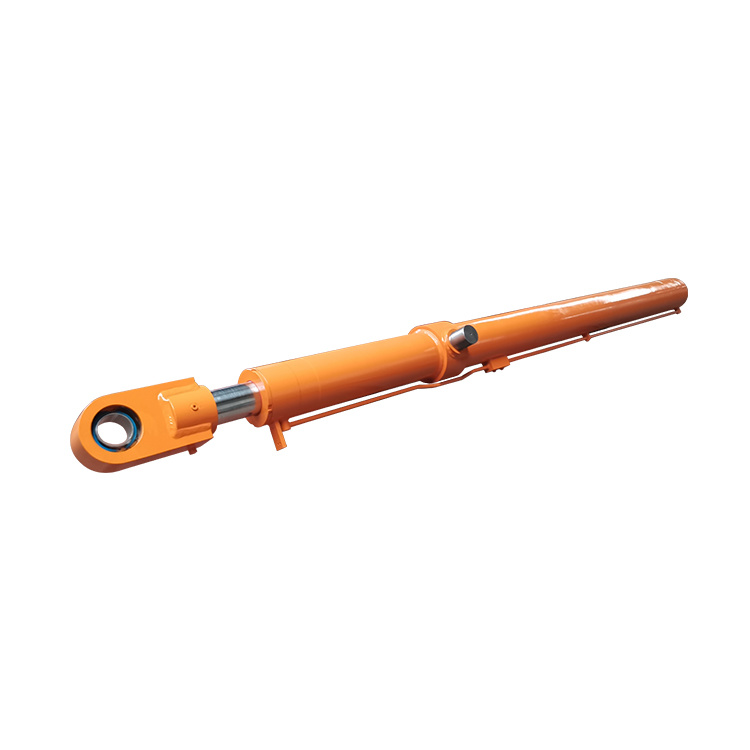
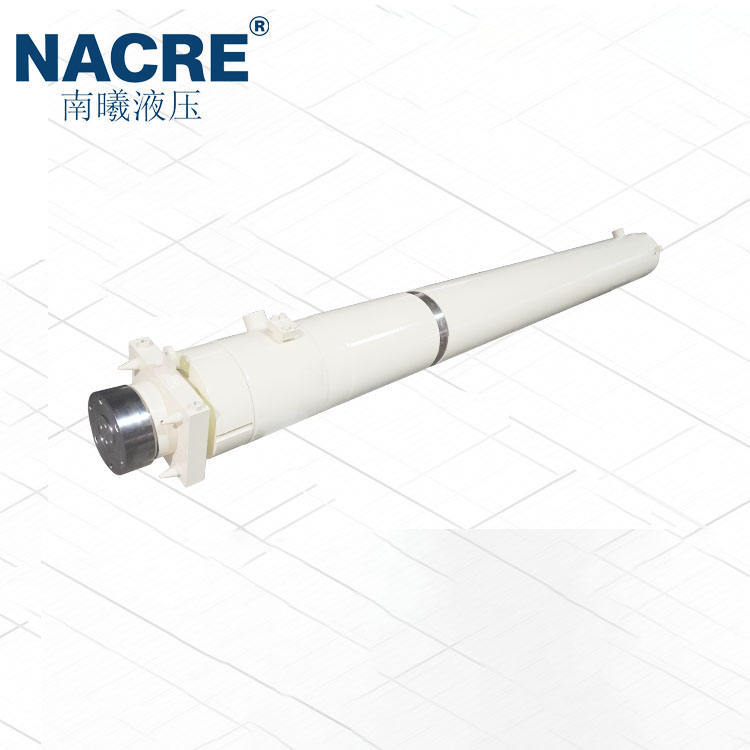
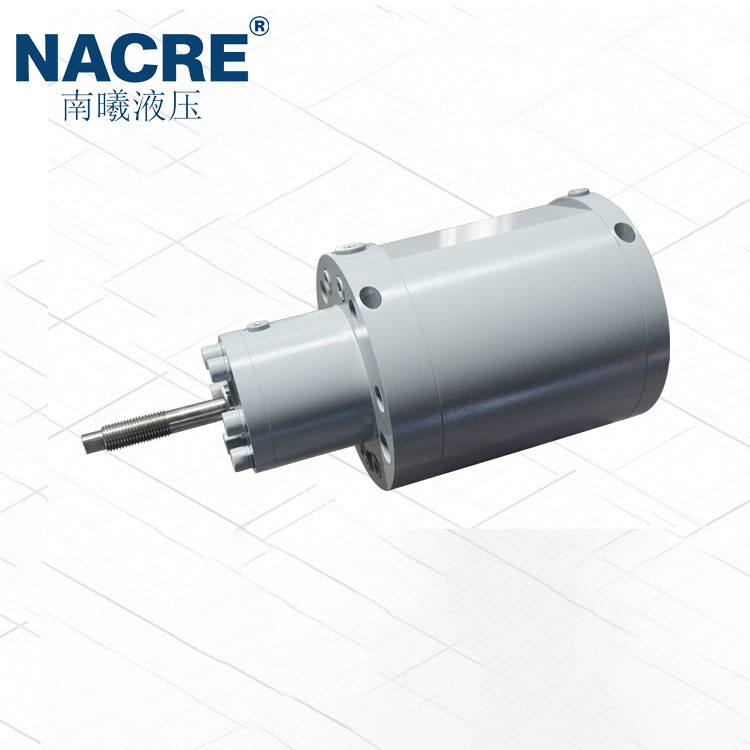
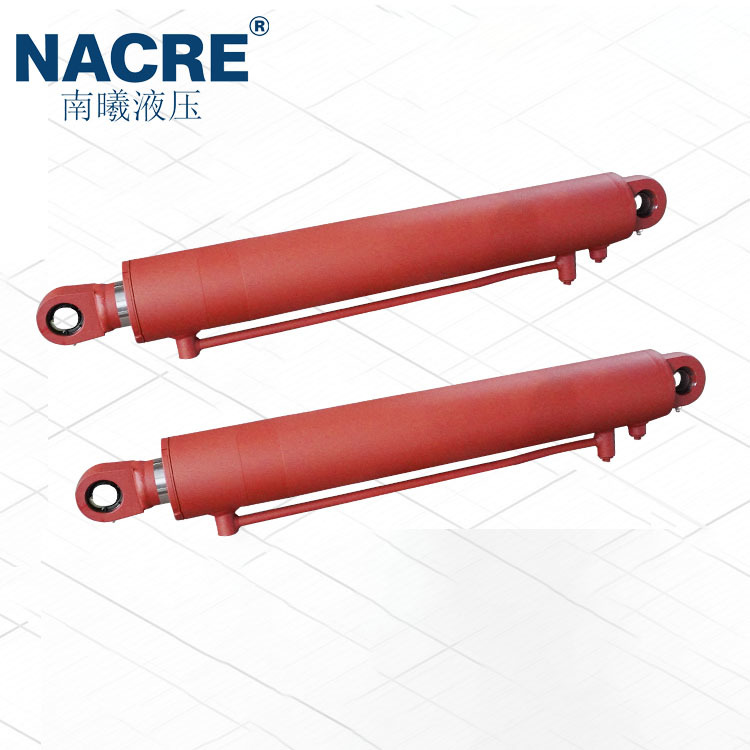
Hydraulic cylinders are mechanical devices that use pressurized hydraulic fluid to create linear motion. In tower cranes, these cylinders are primarily responsible for lifting and lowering loads, thereby enabling the crane to perform its essential functions. The hydraulic cylinder consists of a cylindrical barrel, a piston, and two ports for fluid entry and exit. When hydraulic fluid is pumped into one side of the piston, it pushes the piston out, creating movement that translates into the lifting or lowering of the crane’s load.
The efficiency of tower crane hydraulic cylinders is influenced by several factors, including the quality of materials used in construction, the design of the hydraulic system, and the maintenance practices in place. High-quality hydraulic cylinders are typically made from durable materials that can withstand high pressure and resist wear and tear. Regular maintenance is essential to ensure that hydraulic seals are in good condition, as leaks can lead to performance issues and potential safety hazards.
Moreover, the size and capacity of the hydraulic cylinder are vital for the crane's lifting capacities. Larger cylinders can generate more force, allowing cranes to lift heavier loads. However, this must be balanced with the overall design of the crane, as excessive weight can affect stability and maneuverability.
Understanding the operational principles of tower crane hydraulic cylinders can also aid in troubleshooting common issues. For instance, if a crane is experiencing slower lifting speeds, it may indicate low hydraulic fluid levels or a malfunctioning pump. Regular inspections can help identify potential problems before they escalate, ensuring continuous operation and safety on construction sites.
In summary, tower crane hydraulic cylinders are integral to the functionality and efficiency of cranes in the construction industry. By understanding their design, function, and maintenance requirements, professionals can enhance the performance of their equipment, ensuring that projects proceed smoothly and safely. Investing time in learning about these hydraulic components can lead to significant operational benefits, helping to maintain safety and productivity in demanding environments.
Hydraulic cylinders are mechanical devices that use pressurized hydraulic fluid to create linear motion. In tower cranes, these cylinders are primarily responsible for lifting and lowering loads, thereby enabling the crane to perform its essential functions. The hydraulic cylinder consists of a cylindrical barrel, a piston, and two ports for fluid entry and exit. When hydraulic fluid is pumped into one side of the piston, it pushes the piston out, creating movement that translates into the lifting or lowering of the crane’s load.
The efficiency of tower crane hydraulic cylinders is influenced by several factors, including the quality of materials used in construction, the design of the hydraulic system, and the maintenance practices in place. High-quality hydraulic cylinders are typically made from durable materials that can withstand high pressure and resist wear and tear. Regular maintenance is essential to ensure that hydraulic seals are in good condition, as leaks can lead to performance issues and potential safety hazards.
Moreover, the size and capacity of the hydraulic cylinder are vital for the crane's lifting capacities. Larger cylinders can generate more force, allowing cranes to lift heavier loads. However, this must be balanced with the overall design of the crane, as excessive weight can affect stability and maneuverability.
Understanding the operational principles of tower crane hydraulic cylinders can also aid in troubleshooting common issues. For instance, if a crane is experiencing slower lifting speeds, it may indicate low hydraulic fluid levels or a malfunctioning pump. Regular inspections can help identify potential problems before they escalate, ensuring continuous operation and safety on construction sites.
In summary, tower crane hydraulic cylinders are integral to the functionality and efficiency of cranes in the construction industry. By understanding their design, function, and maintenance requirements, professionals can enhance the performance of their equipment, ensuring that projects proceed smoothly and safely. Investing time in learning about these hydraulic components can lead to significant operational benefits, helping to maintain safety and productivity in demanding environments.
Previous Page
Previous Page
Questions?
We are here to help.
