

Identifying Signs of Wear and Tear in Excavator Cylinders: A Comprehensive Guide
2026-07-15

Identifying Signs of Wear and Tear in Excavator Cylinders
Excavator cylinders are the heart of the hydraulic system, facilitating the movement of the boom, arm, and bucket. These components are subject to constant stress, leading to potential wear and tear that can significantly affect the performance and lifespan of your excavator. Understanding the signs of this deterioration and knowing how to address them is vital for maintaining operational efficiency.
Table of Contents
- Understanding Excavator Cylinders
- Importance of Maintenance for Excavator Cylinders
- Common Signs of Wear and Tear
- Diagnostic Tools and Techniques
- Preventive Maintenance Strategies
- When to Replace Excavator Cylinders
- Conclusion
- FAQs
Understanding Excavator Cylinders
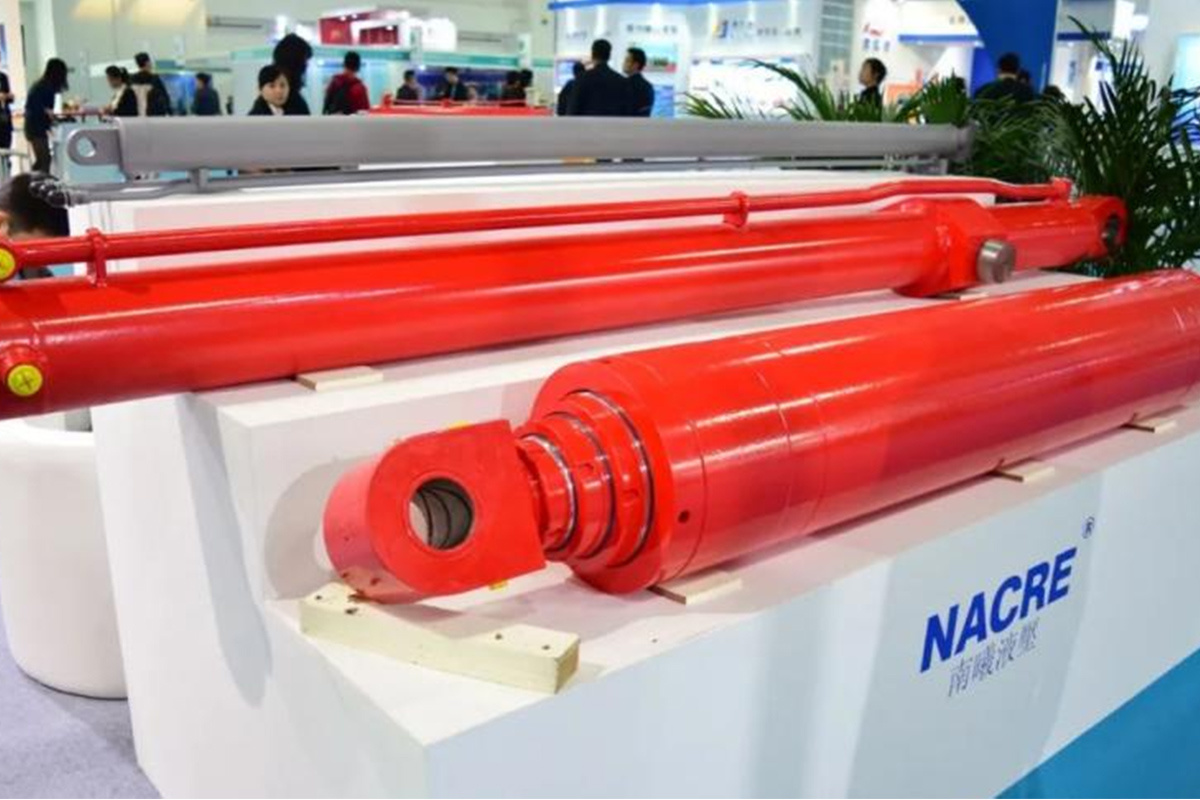
Excavator cylinders are hydraulic devices that convert hydraulic energy into mechanical energy, allowing for the movement of different parts of the excavator. Each cylinder consists of a barrel, piston, and rod; the hydraulic fluid in the cylinder acts to extend or retract the piston, creating movement. Understanding the components and functions of these cylinders is essential for identifying signs of wear and tear.
Importance of Maintenance for Excavator Cylinders
Regular maintenance of excavator cylinders is not just a good practice; it's essential for ensuring the longevity and efficiency of the equipment. **Neglected maintenance can lead to severe damage**, costly repairs, and unplanned downtime, which can significantly affect productivity. By routinely inspecting and servicing the cylinders, operators can detect issues early, reducing the risk of catastrophic failures.
Common Signs of Wear and Tear
Identifying the early signs of wear and tear in excavator cylinders is crucial for effective maintenance. Here are some of the most common indicators:
Visual Inspections
Regular visual inspections can reveal significant information about the condition of your excavator cylinders. Look for:
- **Cracks and Scratches:** Examine the cylinder barrel for any visible cracks or deep scratches. These can compromise the structural integrity of the cylinder and lead to leaks.
- **Discoloration:** Changes in color may indicate overheating or excessive wear.
- **Surface Rust or Corrosion:** This is a sign of moisture exposure, which can lead to further degradation if not addressed.
Leaks and Seepage
Hydraulic fluid leaks are one of the most evident signs of wear in excavator cylinders. If you notice:
- **Puddles or Drips:** Any accumulation of hydraulic fluid around the base of the cylinder indicates a leak that must be addressed immediately.
- **Wet Areas on the Cylinder:** Even minor seepage can lead to significant issues over time, as it often indicates wear on the seals or other components.
Performance Issues
Changes in performance can signal underlying issues with the excavator cylinders. Operators should be aware of:
- **Sluggish Movement:** If the boom or arm moves more slowly than normal, it could indicate reduced hydraulic pressure due to leaks or internal wear.
- **Uneven Movements:** If one side of the machine acts differently than the other, it may point to a failing cylinder.
Diagnostic Tools and Techniques
Utilizing the right diagnostic tools can help you pinpoint issues with your excavator cylinders more accurately. Consider:
- **Pressure Gauges:** These can determine the hydraulic pressure within the system, helping identify leaks or blockages.
- **Ultrasonic Leak Detectors:** These devices can detect leaks that are often not visible to the naked eye.
- **Borescopes:** Using a borescope, maintenance personnel can inspect the internal surfaces of the cylinder for wear, damage, or contamination.
Preventive Maintenance Strategies
Preventing wear and tear on excavator cylinders is easier and more cost-effective than addressing issues after they arise. Here are some strategies to consider:
- **Regular Inspections:** Conduct routine visual inspections to catch issues before they escalate.
- **Hydraulic Fluid Maintenance:** Ensure that you are using the correct type of hydraulic fluid and that it is changed at recommended intervals to prevent contamination and wear.
- **Seal Replacement:** Regularly check and replace seals to maintain the integrity of the cylinder and prevent leaks.
- **Proper Storage:** When not in use, store excavators in a dry environment to prevent rust and corrosion.
When to Replace Excavator Cylinders
Despite best efforts in maintenance, there will come a time when replacement is inevitable. Signs that suggest it may be time to replace your excavator cylinders include:
- **Severe Corrosion:** If the cylinder has extensive rust or corrosion that cannot be repaired.
- **Significant Damage:** Cracks or deep pitting that affects the structural integrity of the cylinder.
- **Persistent Leaks:** Continual leaking despite attempts to seal and repair may indicate a need for replacement.
Conclusion
Identifying the signs of wear and tear in excavator cylinders is critical for maintaining the performance and longevity of this essential machinery. Regular inspections, understanding performance indicators, and adopting preventive maintenance strategies can help minimize costly repairs and downtime. When in doubt, consult with a professional to ensure that your excavator operates at peak efficiency.
FAQs
1. How often should I check my excavator cylinders for wear and tear?
Regular inspections should be conducted every time the excavator is used, with more thorough checks performed monthly.
2. Can I repair a leaking excavator cylinder myself?
While minor leaks can sometimes be fixed with seal replacements, it’s advisable to consult a professional for significant leaks or damage.
3. What type of hydraulic fluid should I use for my excavator?
Refer to the manufacturer's specifications for the recommended hydraulic fluid type and viscosity suitable for your excavator model.
4. How can I prevent corrosion on my excavator cylinders?
Keep the excavator stored in a dry environment, regularly inspect for moisture, and apply protective coatings if necessary.
5. What are the costs associated with replacing excavator cylinders?
Costs can vary depending on the model and brand of your excavator, as well as labor costs for installation. It's best to get a detailed quote from a service provider for accurate estimates.
Previous Page
Previous Page



Questions?
We are here to help.
