

Exploring the Different Types of Hydraulic Cylinders for Pile Applications: A Comprehensive Guide
2026-06-25

Exploring the Different Types of Hydraulic Cylinders for Pile Applications
Table of Contents
- Introduction to Hydraulic Cylinders in Pile Applications
- What Are Hydraulic Cylinders?
- The Importance of Hydraulic Cylinders in Pile Driving
- Types of Hydraulic Cylinders Used in Pile Applications
- Single Acting Hydraulic Cylinders
- Double Acting Hydraulic Cylinders
- Telescopic Hydraulic Cylinders
- Specialty Hydraulic Cylinders
- How Hydraulic Cylinders Work in Pile Applications
- Choosing the Right Hydraulic Cylinder for Your Project
- Maintenance of Hydraulic Cylinders
- The Future of Hydraulic Cylinders in Construction
- Frequently Asked Questions
- Conclusion
Introduction to Hydraulic Cylinders in Pile Applications
Hydraulic cylinders are crucial components in various construction applications, particularly in pile driving. As the demand for durable and robust structures increases, understanding the different types of hydraulic cylinders and their functionalities becomes essential. This guide explores the various hydraulic cylinder types suited for pile applications, their operation, and best practices for selection and maintenance.
What Are Hydraulic Cylinders?
Hydraulic cylinders are mechanical devices that utilize hydraulic pressure to produce linear motion. They convert hydraulic energy into mechanical energy, allowing for powerful lifting, pushing, or pulling actions. These cylinders consist of a cylindrical barrel, a piston, and end caps. When hydraulic fluid is injected into the cylinder, it pushes the piston, generating force that can move heavy loads.
The Importance of Hydraulic Cylinders in Pile Driving
In pile driving applications, hydraulic cylinders play a vital role in ensuring the stability and integrity of structures. They are responsible for driving piles into the ground, providing foundational support for buildings, bridges, and other infrastructures. The importance of hydraulic cylinders in these applications cannot be overstated:
1. **Precision**: Hydraulic cylinders offer precise control over the force applied, which is critical for driving piles accurately to the required depth.
2. **Power**: They generate substantial force, allowing for the efficient driving of heavy piles in various soil conditions.
3. **Durability**: Hydraulic cylinders are designed to withstand harsh environmental conditions, ensuring longevity and reliability in construction projects.
4. **Efficiency**: The speed and force of hydraulic cylinders lead to quicker project completion times compared to traditional methods.
Types of Hydraulic Cylinders Used in Pile Applications
Understanding the different types of hydraulic cylinders is essential for selecting the right one for your project. Here, we explore the most common types used in pile applications.
Single Acting Hydraulic Cylinders
Single acting hydraulic cylinders use hydraulic pressure to extend the piston in one direction while relying on a spring or external force to retract it. They are simpler in design and often more cost-effective. These cylinders are suitable for applications where a return force is already present, making them ideal for lightweight pile-driving tasks.
Double Acting Hydraulic Cylinders
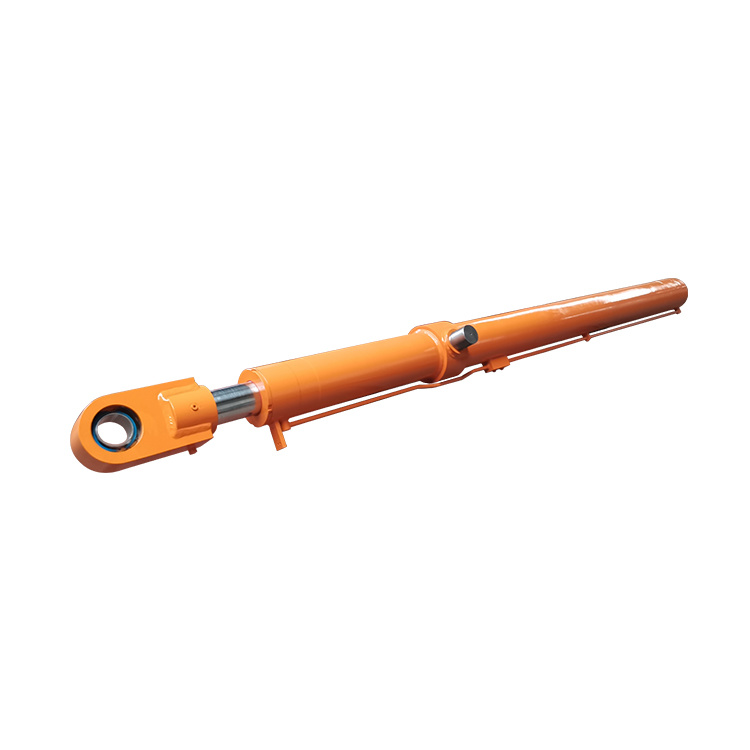
Double acting hydraulic cylinders operate with hydraulic pressure applied to both sides of the piston, allowing for movement in both extending and retracting directions. This type of cylinder provides greater control and force, making it suitable for heavy-duty pile driving applications. They are widely used in construction where consistent and powerful movement is required.
Telescopic Hydraulic Cylinders
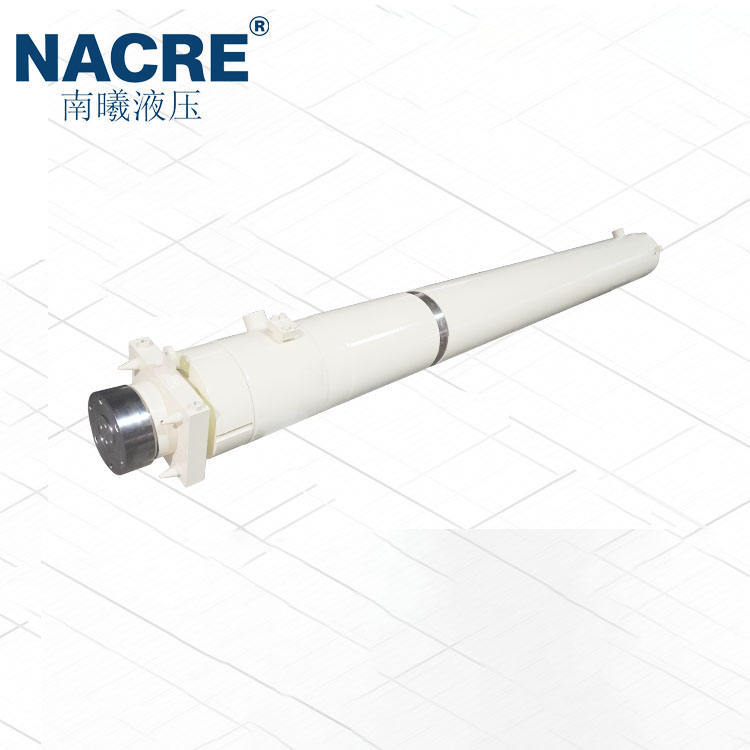
Telescopic hydraulic cylinders consist of multiple nested cylinders, allowing for a longer stroke in a compact size. They are perfect for applications where space is limited, providing significant force without requiring a longer cylinder. These cylinders are often used in large-scale pile driving projects, where depth and reach are critical.
Specialty Hydraulic Cylinders
Specialty hydraulic cylinders are custom-designed for unique applications. They may feature specialized seals, materials, or configurations to meet specific project requirements. Whether it’s for underwater pile driving or in extreme environmental conditions, specialty hydraulic cylinders are tailored to enhance performance and reliability.
How Hydraulic Cylinders Work in Pile Applications
Hydraulic cylinders function through Pascal's principle, which states that pressure applied to a confined fluid is transmitted undiminished throughout the fluid. In practical terms, when hydraulic fluid enters the cylinder, it pushes the piston, generating force. This force is then transferred to the pile, driving it into the ground.
The operation can be broken down into several steps:
1. **Fluid Injection**: Hydraulic fluid is pumped into the cylinder, increasing pressure on one side of the piston.
2. **Piston Movement**: The increased pressure forces the piston to move, generating the necessary force to drive the pile.
3. **Load Transfer**: The hydraulic force is transmitted to the pile, pushing it into the soil at the required depth.
4. **Fluid Release**: Once the pile is in place, the hydraulic fluid is released, allowing the piston to return to its original position.
This cycle continues as needed until the desired depth and stability are achieved.
Choosing the Right Hydraulic Cylinder for Your Project
Selecting the appropriate hydraulic cylinder for pile applications involves careful consideration of several factors:
1. **Load Requirements**: Assess the weight and type of piles being used to determine the necessary force capacity of the cylinder.
2. **Stroke Length**: Consider the required stroke length for your application. For deeper piles, a telescopic cylinder may be preferred.
3. **Environment**: Evaluate environmental conditions, such as temperature and moisture levels, to select cylinders with appropriate seals and materials.
4. **Space Constraints**: Determine available space for installation. In tight areas, a single-acting or telescopic cylinder may be more suitable.
5. **Budget**: Balance the need for performance with budget constraints. While specialty cylinders may offer advantages, they can also be more costly.
Maintenance of Hydraulic Cylinders
Proper maintenance of hydraulic cylinders is essential to ensure longevity and optimal performance. Regular inspection and upkeep can prevent costly breakdowns and extend the lifespan of your equipment. Here are some key maintenance tips:
1. **Regular Inspections**: Frequently check for signs of wear, leaks, or corrosion. Addressing minor issues early can prevent major failures.
2. **Fluid Levels**: Maintain optimal hydraulic fluid levels and replace fluids as necessary to ensure smooth operation.
3. **Seals and Gaskets**: Inspect seals and gaskets for wear or damage. Replacing these components regularly can prevent leaks.
4. **Cleanliness**: Keep the hydraulic system and surrounding environment clean to avoid contamination that can lead to premature wear.
5. **Storage**: When not in use, store hydraulic cylinders in a clean, dry environment to protect them from the elements.
The Future of Hydraulic Cylinders in Construction
As technology continues to advance, the future of hydraulic cylinders in construction looks promising. Innovations in materials, design, and automation are shaping the development of more efficient and powerful hydraulic systems. With a focus on sustainability and reducing environmental impact, future hydraulic cylinders are likely to incorporate eco-friendly hydraulic fluids and more durable materials that withstand harsh conditions.
The integration of smart technology will also lead to enhanced monitoring and control systems, allowing for real-time data collection and analysis. This capability will enable construction professionals to optimize their operations and improve safety, making hydraulic cylinders even more indispensable in pile applications.
Frequently Asked Questions
1. What are the main types of hydraulic cylinders used in pile applications?
The main types include single acting, double acting, telescopic, and specialty hydraulic cylinders, each designed for specific applications and conditions.
2. How do I determine the right hydraulic cylinder for my project?
Consider factors such as load requirements, stroke length, environmental conditions, space constraints, and budget.
3. What is the role of hydraulic cylinders in pile driving?
Hydraulic cylinders provide the necessary force to drive piles into the ground, ensuring stability for structures.
4. How can I maintain hydraulic cylinders properly?
Regular inspections, maintaining fluid levels, checking seals, keeping the system clean, and proper storage are key maintenance practices.
5. What is the future of hydraulic cylinders in the construction industry?
The future includes advancements in materials, automation, and smart technology integration, leading to more efficient and sustainable hydraulic systems.
Conclusion
Hydraulic cylinders are vital components in modern construction, particularly in pile applications. Understanding the different types of hydraulic cylinders, their functionalities, and maintenance practices is essential for ensuring project success. With continuous advancements in technology and materials, the future of hydraulic cylinders looks promising, paving the way for more efficient, safe, and sustainable construction practices. By carefully selecting the right hydraulic cylinder and maintaining it properly, construction professionals can enhance their operations and deliver high-quality results.
Previous Page
Previous Page

Questions?
We are here to help.
