

The Critical Role of Regular Maintenance for Tower Crane Hydraulic Cylinders
2026-08-14
The Critical Role of Regular Maintenance for Tower Crane Hydraulic Cylinders
Table of Contents
- 1. Introduction to Tower Crane Hydraulic Cylinders
- 2. Understanding Hydraulic Cylinders in Tower Cranes
- 3. The Importance of Regular Maintenance
- 4. Key Benefits of Regular Maintenance for Hydraulic Cylinders
- 5. Common Issues with Hydraulic Cylinders
- 6. Essential Maintenance Tips for Tower Crane Hydraulic Cylinders
- 7. When to Seek Professional Help
- 8. Conclusion
- 9. FAQs about Hydraulic Cylinder Maintenance
1. Introduction to Tower Crane Hydraulic Cylinders
Tower cranes are pivotal in the construction industry, providing the necessary lifting power and reach required for large-scale projects. Central to their operation are hydraulic cylinders, which facilitate the movement of the crane's boom and load. Given the critical role these components play, ensuring their optimal functionality is paramount. Regular maintenance not only enhances performance but also safeguards the safety of workers and the integrity of construction projects.
2. Understanding Hydraulic Cylinders in Tower Cranes
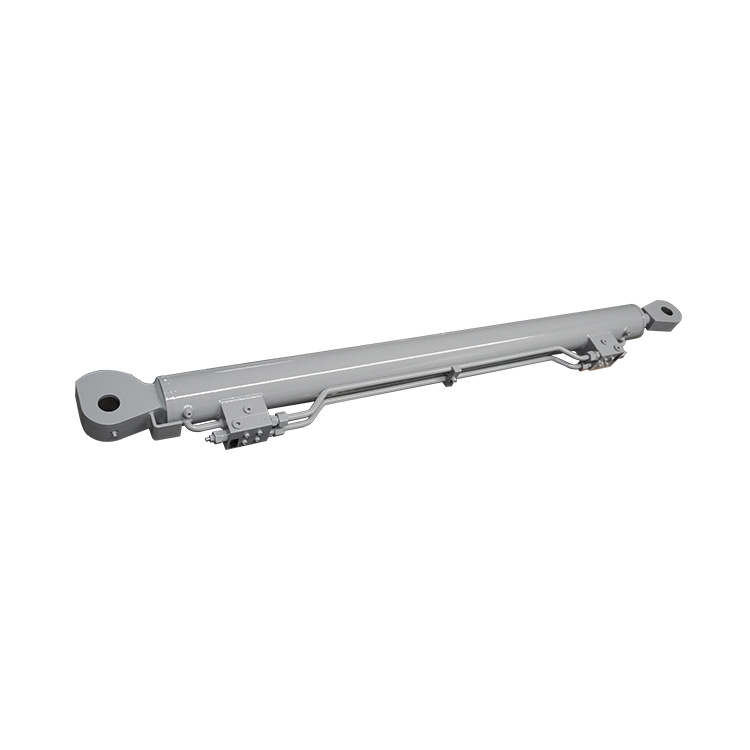
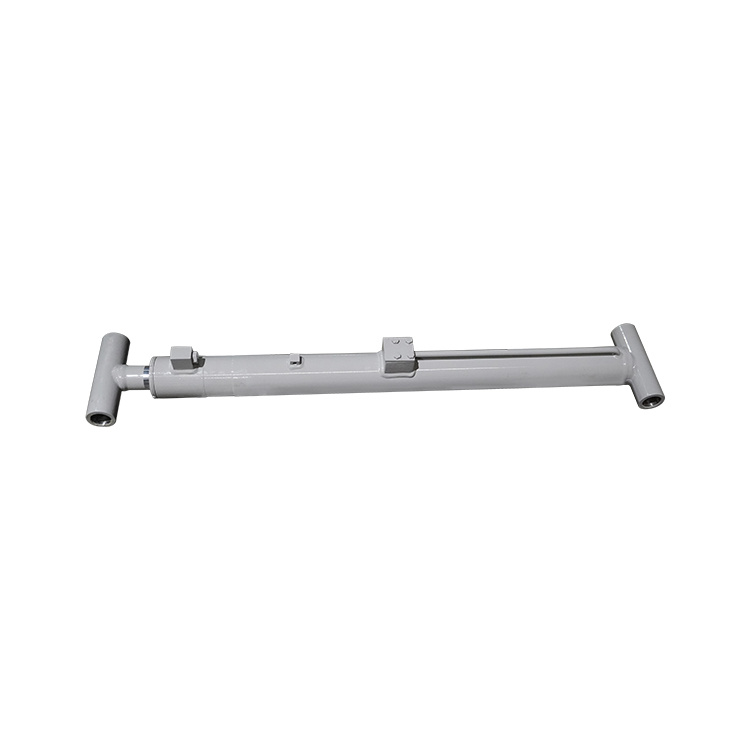
Hydraulic cylinders are mechanical devices that convert hydraulic energy into linear motion. In tower cranes, they serve various functions, including lifting loads and controlling boom angles. These cylinders operate under high pressure and are designed to provide precise and powerful movements. Understanding their operation is key to recognizing the importance of maintenance.
How Hydraulic Cylinders Work
Hydraulic cylinders use pressurized fluid to create movement. The basic components include a cylinder barrel, piston, seals, and ports. As hydraulic fluid enters the cylinder, it pushes against the piston, causing it to move. This simple yet effective mechanism allows for heavy lifting and manipulation.
The Role of Hydraulic Fluid
Hydraulic fluid is crucial for the operation of hydraulic cylinders. It not only facilitates movement but also lubricates components to reduce wear and tear. Regular monitoring of hydraulic fluid levels and quality is essential to prevent issues such as contamination and viscosity changes, which can impair performance.
3. The Importance of Regular Maintenance
Regular maintenance of tower crane hydraulic cylinders is vital for several reasons. It ensures reliable performance, enhances safety, and prolongs the lifespan of the equipment. Neglecting maintenance can lead to catastrophic failures, resulting in costly downtime and potential accidents on construction sites.
Enhancing Safety Standards
Safety is a paramount concern in construction. Regularly maintained hydraulic cylinders reduce the risk of failure during operation, ensuring the safety of personnel working nearby. By inspecting and servicing these components, potential hazards can be identified and rectified before they lead to accidents.
Improving Operational Efficiency
Hydraulic cylinders that are well-maintained operate more efficiently, leading to improved productivity. Smooth and reliable operation reduces the time spent on lifting and moving materials, allowing projects to progress on schedule.
4. Key Benefits of Regular Maintenance for Hydraulic Cylinders
The benefits of maintaining hydraulic cylinders in tower cranes extend beyond immediate performance improvements. They can influence various aspects of construction operations.
Cost Savings
Investing in regular maintenance can lead to significant cost savings over time. Preventative measures can identify minor issues before they escalate into major repairs, which can be expensive and time-consuming. Moreover, a well-maintained hydraulic system reduces the risk of costly operational downtime.
Extended Equipment Life
Regularly serviced hydraulic cylinders tend to last longer. By addressing wear and tear promptly, the overall lifespan of the equipment is significantly enhanced. This not only maximizes the return on investment but also reduces the frequency of equipment replacements.
Maintained Performance Consistency
Operational consistency is important for project timelines. Regular maintenance ensures that hydraulic cylinders perform at optimal levels, leading to predictable and reliable lifting capabilities. This consistency is essential for meeting project deadlines and maintaining overall productivity.
5. Common Issues with Hydraulic Cylinders
Despite their robust design, hydraulic cylinders can encounter several issues if not properly maintained. Identifying these issues early can prevent severe operational disruptions.
Leakage Problems
One of the most common issues with hydraulic cylinders is leakage. This can occur due to worn seals, cracks in the cylinder body, or loose fittings. Hydraulic fluid leaks not only reduce efficiency but can also pose environmental hazards.
Contamination of Hydraulic Fluid
Contaminants such as dirt, water, and debris can enter the hydraulic system, compromising fluid quality. Contaminated fluid can lead to corrosion, increased wear on components, and ultimately, cylinder failure. Regular fluid checks and filtration are essential to maintaining hydraulic health.
Piston Damage
The piston within the hydraulic cylinder can suffer from wear and damage over time. Factors such as excessive pressure and contamination can accelerate this wear. Regular inspections can help catch signs of piston damage early, allowing for timely repairs or replacements.
6. Essential Maintenance Tips for Tower Crane Hydraulic Cylinders
To ensure the longevity and efficiency of tower crane hydraulic cylinders, implementing a routine maintenance schedule is crucial. Here are key maintenance tips:
Regular Inspections
Conduct thorough inspections of hydraulic cylinders at regular intervals. Look for signs of wear, leakage, or damage. Inspect seals and fittings for integrity and replace any worn components promptly to prevent further issues.
Fluid Level Checks
Regularly monitor hydraulic fluid levels and quality. Top up fluids as necessary and replace them according to manufacturer recommendations. Ensure that the fluid is free from contaminants to maintain optimal performance.
Cleaning and Lubrication
Keep hydraulic cylinders clean to prevent contamination. Regularly clean external surfaces and ensure that no dirt or debris enters the system during inspections. Additionally, proper lubrication of moving parts minimizes friction and wear.
Professional Servicing
While routine maintenance can be performed on-site, certain tasks are best left to professionals. Schedule regular servicing with qualified technicians who can perform in-depth inspections and repairs, ensuring all aspects of the hydraulic system are functioning properly.
7. When to Seek Professional Help
Although many maintenance tasks can be performed in-house, there are scenarios where professional intervention is necessary:
Signs of Severe Wear or Damage
If you notice significant leakage, unusual noises, or inconsistent performance, it’s time to consult a professional. These issues may indicate serious underlying problems that require expert diagnosis and repair.
Complex Repairs
Some repairs, such as those involving internal components or hydraulic fluid replacement, should be left to trained technicians. Attempting these tasks without the necessary expertise can lead to further damage and safety risks.
Periodic Comprehensive Inspections
Engage professional services for comprehensive inspections at regular intervals, as recommended by the equipment manufacturer. These inspections can provide insights into the overall health of the hydraulic system and identify potential issues before they become critical.
8. Conclusion
Regular maintenance of tower crane hydraulic cylinders is essential for ensuring safety, operational efficiency, and longevity. By prioritizing routine inspections, fluid checks, and timely repairs, construction companies can safeguard their investments and enhance productivity on the job site. Investing in maintenance not only prevents costly repairs and downtime but also ensures that hydraulic systems operate smoothly and effectively.
9. FAQs about Hydraulic Cylinder Maintenance
What is the typical lifespan of a hydraulic cylinder?
The lifespan of a hydraulic cylinder can vary significantly based on usage, maintenance, and operating conditions. With proper maintenance, a hydraulic cylinder can last upwards of 15 to 20 years.
How often should hydraulic fluid be changed?
Hydraulic fluid should typically be changed every 1,000 operational hours or as recommended by the manufacturer. Regular monitoring of fluid quality can also dictate when a change is necessary.
What are the signs of a failing hydraulic cylinder?
Signs of failure include excessive leakage, unusual noises during operation, erratic movement, and reduced lifting capacity. If you notice any of these signs, immediate inspection is essential.
Can I perform maintenance on hydraulic cylinders myself?
Basic maintenance tasks, such as fluid checks and external inspections, can be done in-house. However, for complex repairs or in-depth inspections, it’s advisable to seek professional help.
What should I do if I notice a hydraulic leak?
If you notice a hydraulic leak, stop using the crane immediately and inspect the source of the leak. If it’s significant, contact a professional for repairs to prevent further damage and ensure safety.

Questions?
We are here to help.
