

Optimizing Performance: The Role of Hydraulic Cylinders in Automobile Cranes
2026-08-09

Hydraulic cylinders are vital components in the operation of automobile cranes, playing a crucial role in lifting, lowering, and maneuvering heavy loads. These cylinders operate on the principle of hydraulic pressure, where hydraulic fluid is pushed into the cylinder to create force. This force is then transmitted to the crane's lifting mechanism, enabling it to handle substantial weight with precision.
One of the primary advantages of hydraulic cylinders in automobile cranes is their ability to provide significant lifting power without requiring extensive physical force. This is particularly important in industries where heavy lifting is routine, as it enhances safety and efficiency. The hydraulic system can be finely tuned to offer precise control, allowing operators to execute delicate maneuvers when necessary.
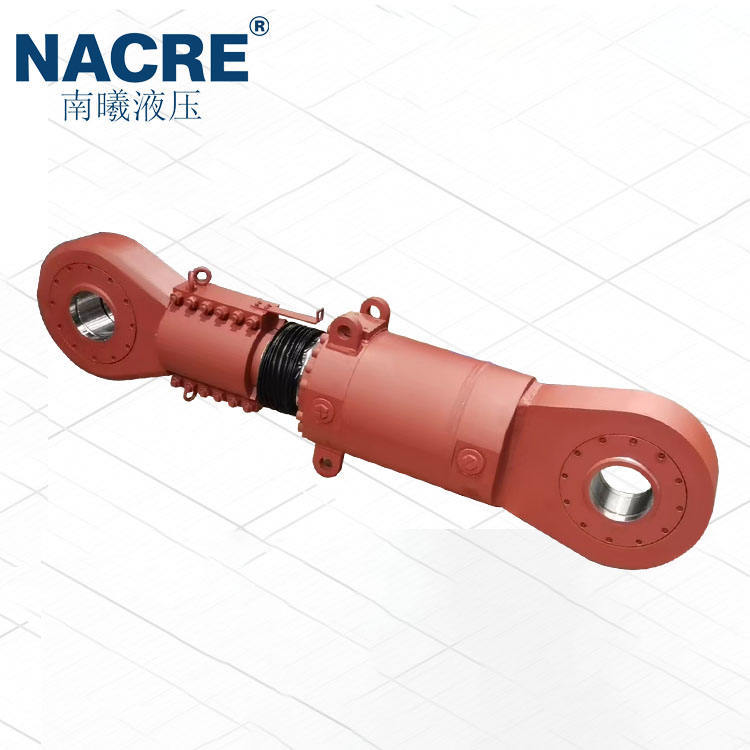
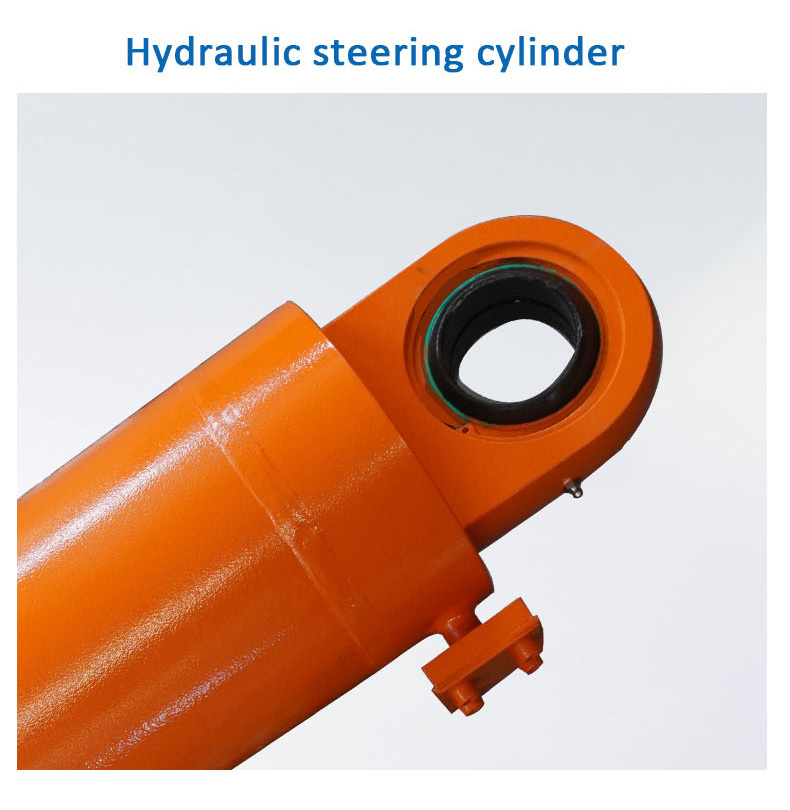
The construction of hydraulic cylinders typically includes key components such as the cylinder barrel, piston, and seals. The durability of these components is essential for maintaining the integrity of the hydraulic system. High-quality materials are often employed to prevent wear and tear, which can lead to costly downtime and repairs. Additionally, regular inspection and maintenance of hydraulic cylinders can help identify potential issues before they lead to more significant failures.
In terms of applications, hydraulic cylinders are not limited to lifting. They are also employed in various functions such as extending and retracting the crane arm, stabilizing the crane during operation, and rotating the boom. The versatility of hydraulic systems allows for a wide range of functionalities, making them indispensable in the automotive and industrial sectors.
Moreover, advancements in hydraulic technology have led to more efficient designs that reduce fluid leakage and increase energy efficiency. Innovations such as double-acting cylinders, which utilize pressure on both sides of the piston, provide enhanced control and speed in lifting operations. This not only improves the performance of automobile cranes but also helps in reducing the environmental impact by minimizing wasted hydraulic fluid.
To optimize the performance of hydraulic cylinders in automobile cranes, professionals should adhere to best practices such as maintaining proper fluid levels, checking for leaks, and ensuring that seals are intact. Regular maintenance schedules and adherence to manufacturer guidelines will prolong the life of these essential components and enhance overall crane performance.
In summary, hydraulic cylinders are the backbone of automobile cranes, providing the necessary power and control to lift heavy loads efficiently and safely. Understanding their function and maintaining them diligently is crucial for professionals in the industrial equipment sector, ensuring that operations run smoothly and effectively.



Questions?
We are here to help.
