

How Loader Hydraulic Cylinders Improve Lift Capacity in Construction Machinery
2026-02-05
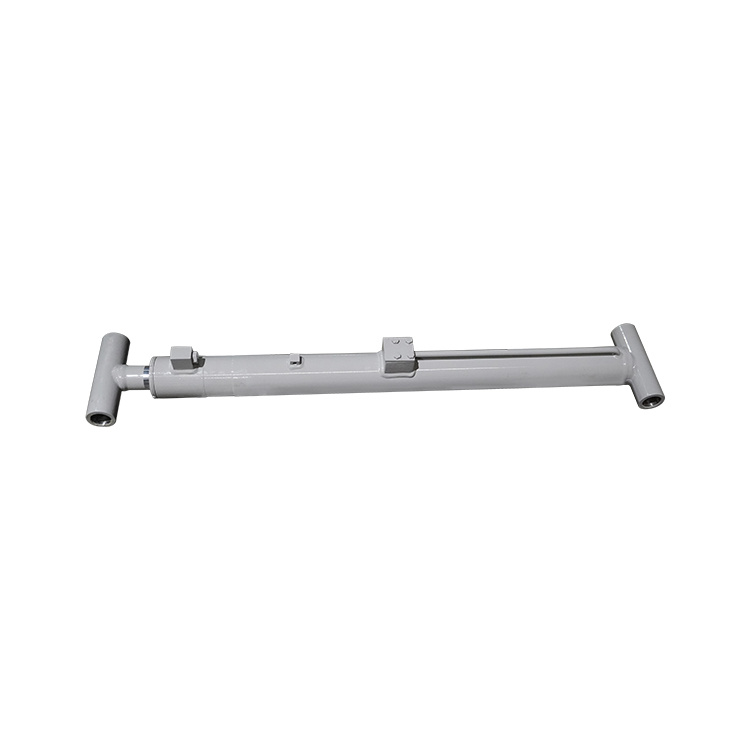
How Loader Hydraulic Cylinders Improve Lift Capacity in Construction Machinery
Table of Contents
- Introduction to Loader Hydraulic Cylinders
- Understanding Hydraulic Systems
- Mechanics of Loader Hydraulic Cylinders
- Enhancing Lift Capacity with Hydraulic Cylinders
- Applications of Loader Hydraulic Cylinders in Construction
- Benefits of Hydraulic Systems in Construction Machinery
- Advancements in Hydraulic Technology
- Maintenance and Care of Hydraulic Cylinders
- Conclusion
- Frequently Asked Questions
Introduction to Loader Hydraulic Cylinders
In the realm of construction machinery, **loader hydraulic cylinders** play a pivotal role in enhancing the efficiency and effectiveness of lifting operations. These sophisticated devices harness the power of hydraulics to amplify force and facilitate heavy lifting. Understanding how these hydraulic cylinders function can help professionals in the construction industry optimize their machinery, improve productivity, and ensure safety on the job site.
Understanding Hydraulic Systems
A hydraulic system operates based on the principles of fluid mechanics, utilizing incompressible fluids to transmit power. At the heart of this system are hydraulic cylinders, which convert hydraulic energy into mechanical energy. Essentially, when hydraulic fluid is pumped into the cylinder, it creates pressure that moves a piston, resulting in linear motion.
The Components of a Hydraulic System
The primary components of a hydraulic system include:
- **Hydraulic Pump**: Generates flow and pressure within the system.
- **Hydraulic Fluid**: Transmits power; it can be mineral oil, water, or other fluid types.
- **Hydraulic Cylinder**: Converts hydraulic energy into linear motion.
- **Control Valves**: Regulate fluid flow and pressure to the cylinders.
- **Reservoir**: Stores hydraulic fluid.
A thorough understanding of these components is crucial for maximizing the lift capacity of construction machinery.
Mechanics of Loader Hydraulic Cylinders
Loader hydraulic cylinders consist of several key components that work in unison to achieve efficient lifting. The main parts include the cylinder barrel, piston, rod, and seals. Each of these components has a specific function that contributes to the overall performance of the hydraulic system.
The Role of the Piston
The piston is the heart of the hydraulic cylinder. It is responsible for transferring the hydraulic force generated by the pressurized fluid to the load. The size and design of the piston directly influence the **lifting capacity**. A larger surface area allows for greater force application, which results in increased lifting capabilities.
Seals and Pressure Management
Seals within the cylinder prevent fluid leakage and maintain pressure. Proper sealing is essential for efficient operation, as any loss of hydraulic fluid can significantly reduce performance. Additionally, pressure management systems ensure that the hydraulic fluid remains at optimal levels for maximum efficiency.
Enhancing Lift Capacity with Hydraulic Cylinders
The lift capacity of construction machinery equipped with hydraulic cylinders can be significantly improved through various engineering and design strategies. Understanding these methods is essential for optimizing performance.
Optimizing Cylinder Design
The design of loader hydraulic cylinders can be optimized by:
- **Increasing Piston Diameter**: A larger piston diameter translates to increased lift capacity.
- **Adjusting Stroke Length**: Longer strokes allow for higher lifts, but must be balanced with the overall machinery design.
- **Material Selection**: Using high-strength materials can enhance durability and performance under pressure.
Pressure Adjustments and Control
Fine-tuning hydraulic pressure settings is critical for maximizing lift capacity. Construction machinery often comes with adjustable pressure relief valves that help manage the maximum pressure in the system. By setting these valves correctly, operators can ensure that their machinery operates at peak performance without risking damage.
Applications of Loader Hydraulic Cylinders in Construction
Loader hydraulic cylinders have versatile applications within the construction industry. From lifting heavy materials to operating various attachments, these cylinders enhance the functionality of construction machinery.
Heavy Lifting Operations
In construction, hydraulic cylinders are extensively used for heavy lifting operations, such as moving concrete blocks, steel beams, and other heavy materials. Their ability to lift significant weights with precision makes them invaluable for construction projects.
Operating Attachments
Loader hydraulic cylinders are also crucial for operating various attachments such as buckets, forks, and grapples. This versatility allows a single piece of machinery to perform multiple functions, improving efficiency on the job site.
Benefits of Hydraulic Systems in Construction Machinery
The incorporation of hydraulic systems in construction machinery offers several benefits, including:
Increased Efficiency
Hydraulic systems provide rapid and powerful lifting capabilities, which enhances operational efficiency. Workers can complete tasks more quickly and with greater precision.
Safety Features
Modern hydraulic systems are equipped with various safety features designed to prevent accidents, such as overload protection and automatic shut-off mechanisms. These features enhance the safety of operators and construction personnel.
Cost-Effectiveness
Investing in hydraulic technology can lead to long-term savings. By improving lifting capabilities and reducing downtime, construction companies can maximize their investment in machinery.
Advancements in Hydraulic Technology
The field of hydraulic technology is continually evolving, leading to significant advancements that enhance the performance of loader hydraulic cylinders.
Smart Hydraulic Systems
The integration of smart technology into hydraulic systems allows for real-time monitoring and diagnostics. This enables operators to make informed decisions about maintenance and performance optimization.
Eco-Friendly Hydraulic Fluids
Recent advancements have also focused on developing eco-friendly hydraulic fluids that reduce environmental impact. These innovations contribute to sustainable construction practices.
Maintenance and Care of Hydraulic Cylinders
Proper maintenance of loader hydraulic cylinders is essential for ensuring longevity and optimal performance. Regular inspection and maintenance can prevent costly downtime and repairs.
Routine Inspections
Conducting routine inspections of hydraulic cylinders involves checking for leaks, inspecting seals, and ensuring proper fluid levels. Identifying issues early can prevent more significant problems down the line.
Fluid Replacement and Maintenance
Regular fluid replacement is crucial for maintaining system efficiency. Over time, hydraulic fluid can degrade or become contaminated, leading to reduced performance. Implementing a fluid maintenance schedule can significantly extend the life of hydraulic systems.
Conclusion
Loader hydraulic cylinders are integral to enhancing lift capacity in construction machinery. By understanding the mechanics behind these cylinders and implementing best practices for design, operation, and maintenance, construction professionals can significantly improve their machinery's efficiency and effectiveness. As technology continues to advance, the potential for further enhancements in hydraulic systems presents exciting opportunities for the future of construction.
Frequently Asked Questions
1. What is the primary function of loader hydraulic cylinders?
Loader hydraulic cylinders primarily function to convert hydraulic energy into mechanical energy, allowing for heavy lifting in construction machinery.
2. How can I improve the lift capacity of my construction machinery?
Improving lift capacity can be achieved by optimizing cylinder design, adjusting pressure settings, and performing regular maintenance on hydraulic systems.
3. What are the common applications of loader hydraulic cylinders?
Loader hydraulic cylinders are commonly used for heavy lifting operations and operating various attachments such as buckets and forks in construction.
4. How do I maintain hydraulic cylinders?
Routine inspections, checking fluid levels, and replacing contaminated hydraulic fluid are essential steps in maintaining hydraulic cylinders.
5. Are there eco-friendly options for hydraulic fluids?
Yes, there are advancements in hydraulic technology that focus on developing eco-friendly hydraulic fluids to reduce environmental impact.
Through understanding and leveraging the power of loader hydraulic cylinders, construction professionals can elevate their operations and achieve remarkable results in lift capacity and overall efficiency.


Questions?
We are here to help.
