A Beginner’s Guide to Tie Rod Cylinders: What You Need to Know
2026-02-15

A Beginner’s Guide to Tie Rod Cylinders: What You Need to Know
Table of Contents
- What Are Tie Rod Cylinders?
- Components of Tie Rod Cylinders
- How Tie Rod Cylinders Work
- Applications of Tie Rod Cylinders
- Advantages of Tie Rod Cylinders
- Maintenance of Tie Rod Cylinders
- Troubleshooting Tie Rod Cylinders
- Common FAQs About Tie Rod Cylinders
- Conclusion
What Are Tie Rod Cylinders?
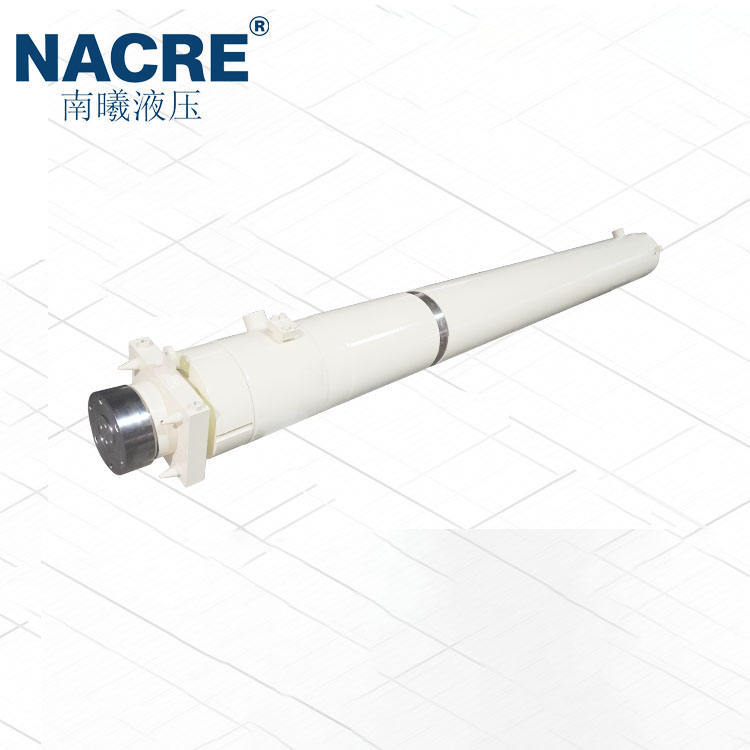
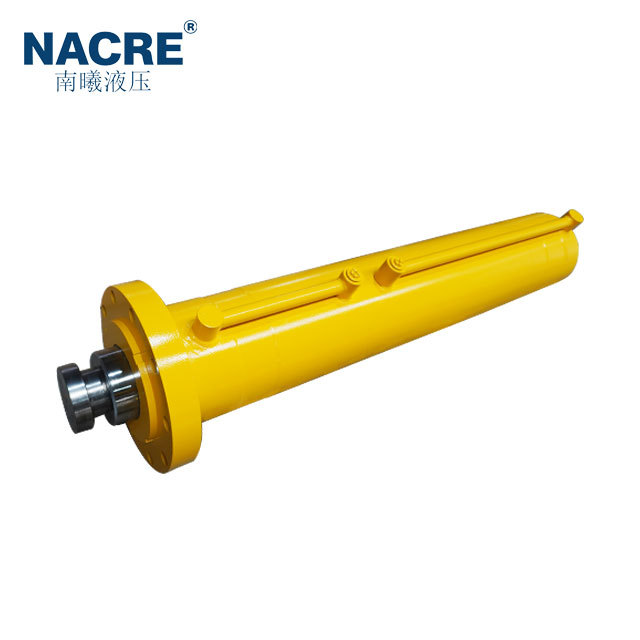
Tie rod cylinders are a type of hydraulic cylinder that utilize tie rods to secure the cylinder's end caps to the cylinder body. These cylinders are widely recognized for their simplicity, versatility, and robustness. The primary function of tie rod cylinders is to convert hydraulic energy into mechanical energy, enabling a variety of linear motions.
They are often employed in diverse industries, from manufacturing and construction to automotive and aerospace. Their design allows for easy customization, making them suitable for various applications where strength and reliability are paramount.
Components of Tie Rod Cylinders
Understanding the core components of tie rod cylinders is essential for grasping how they operate. Here are the key elements:
The Cylinder Barrel
The cylinder barrel is the main body of the tie rod cylinder. It houses the hydraulic fluid and provides the necessary space for the piston to move. The barrel is usually made of high-strength steel to withstand internal pressure.
The Piston
The piston is a critical component that moves within the cylinder barrel. It divides the cylinder into two chambers and is responsible for the linear motion produced when hydraulic fluid is introduced. The piston is connected to a rod that extends out of the cylinder, transferring force to the external environment.
The Tie Rods
Tie rods are long bolts that secure the cylinder’s end caps to the barrel. They provide structural integrity and allow for adjustments in the cylinder’s assembly. Their arrangement minimizes the risk of deformation under high pressure.
The End Caps
The end caps are attached to both ends of the cylinder barrel and house the piston and seals. These caps play a crucial role in maintaining the hydraulic fluid within the cylinder and preventing leaks.
The Seals
Seals are essential for ensuring that hydraulic fluid does not escape and that the cylinder operates efficiently. They are typically made from durable materials that can withstand hydraulic pressures and temperature variations.
How Tie Rod Cylinders Work
The operation of tie rod cylinders is based on the principles of hydraulics. When hydraulic fluid is pumped into one side of the piston, it creates pressure that pushes the piston, resulting in linear motion.
The Hydraulic System
A tie rod cylinder is typically part of a larger hydraulic system that includes a pump, valves, and hydraulic fluid. The pump generates pressure, which is directed to the cylinder through control valves.
The Motion Cycle
1. **Extension**: When the hydraulic fluid enters the chamber behind the piston, it pushes the piston forward, extending the cylinder rod.
2. **Retraction**: When the fluid is redirected, the pressure behind the piston decreases, allowing the rod to retract back into the cylinder.
This cycle can be repeated as necessary, allowing for controlled movement in various applications.
Applications of Tie Rod Cylinders
Tie rod cylinders are used in a multitude of industries due to their adaptability and reliability. Here are some common applications:
Manufacturing
In manufacturing settings, tie rod cylinders are frequently used in machinery for tasks such as pressing, clamping, and material handling. Their ability to generate significant force makes them ideal for heavy-duty applications.
Construction
Construction equipment like excavators, loaders, and cranes often utilize tie rod cylinders for lifting and moving heavy materials. Their robust design ensures they can withstand the rigors of construction environments.
Automotive
In the automotive industry, tie rod cylinders are employed in various applications, including assembly lines and robotic systems. They contribute to precision movement and automation in vehicle production.
Aerospace
The aerospace sector requires highly reliable components, and tie rod cylinders fit the bill. They are used in landing gear systems and other critical applications where performance is vital.
Advantages of Tie Rod Cylinders
The benefits of using tie rod cylinders make them a popular choice in many applications.
Customizability
Tie rod cylinders can be easily customized in terms of size, stroke length, and mounting options, allowing them to fit specific needs in various applications.
Ease of Maintenance
Their design facilitates straightforward maintenance. The accessible components enable quick inspections and replacements without extensive disassembly.
High Strength and Durability
Designed to withstand high pressures, tie rod cylinders offer excellent durability, making them reliable in demanding environments.
Cost-Effectiveness
Tie rod cylinders provide a cost-effective solution, offering high performance without the high price tag often associated with specialized hydraulic components.
Maintenance of Tie Rod Cylinders
Regular maintenance is crucial to ensuring the longevity and reliability of tie rod cylinders. Here are some key maintenance tips:
Regular Inspections
Conduct regular inspections for signs of wear, leakage, or damage. Look closely at seals, piston rods, and cylinder barrels.
Fluid Checks
Monitor hydraulic fluid levels and quality. Replace the fluid as needed to prevent contamination that can lead to operational issues.
Lubrication
Ensure that all moving parts are lubricated appropriately to minimize friction and wear.
Addressing Issues Promptly
If you notice any irregularities in performance, such as unusual noises or reduced force, address these issues immediately to prevent further damage.
Troubleshooting Tie Rod Cylinders
Even with proper maintenance, issues may arise with tie rod cylinders. Here are some common problems and solutions:
Fluid Leaks
If you notice hydraulic fluid leaking, inspect the seals and connections. Replace any damaged seals and ensure all fittings are tight.
Reduced Performance
A cylinder that is not producing the expected force may have low hydraulic fluid levels or a malfunctioning pump. Check the fluid levels and pump functionality.
Unusual Noises
Unusual noises during operation may indicate internal wear or inadequate lubrication. Inspect the cylinder and lubricate moving parts as needed.
Common FAQs About Tie Rod Cylinders
1. What is the difference between tie rod cylinders and welded cylinders?
Tie rod cylinders are secured with tie rods, making them easily disassemblable. In contrast, welded cylinders are permanently fused, which can complicate repairs.
2. How do I choose the right tie rod cylinder for my application?
Consider factors such as required force, stroke length, mounting options, and environmental conditions when selecting a tie rod cylinder.
3. What materials are tie rod cylinders made from?
Most tie rod cylinders are made from high-strength steel or aluminum, providing durability and resistance to corrosion.
4. Can tie rod cylinders be used in outdoor applications?
Yes, but it's essential to ensure they are protected from environmental factors such as moisture and dust to prevent corrosion.
5. How often should I maintain my tie rod cylinder?
Regular inspections should be conducted at least once a month, with more frequent checks for cylinders in high-use environments.
Conclusion
Tie rod cylinders are an integral part of many industrial and mechanical applications, offering versatility, strength, and reliability. Understanding their components, operation, and maintenance is essential for maximizing their performance and lifespan. By utilizing this guide, you can confidently incorporate tie rod cylinders into your projects and ensure optimal functionality. Whether you're in manufacturing, construction, automotive, or aerospace, tie rod cylinders can effectively meet your hydraulic needs, making them a smart investment in any industrial setting.

Questions?
We are here to help.
